CHECHEN REPUBLIC: BRINGING RUSSIA AND ISLAMIC WORLD CLOSER TOGETHER
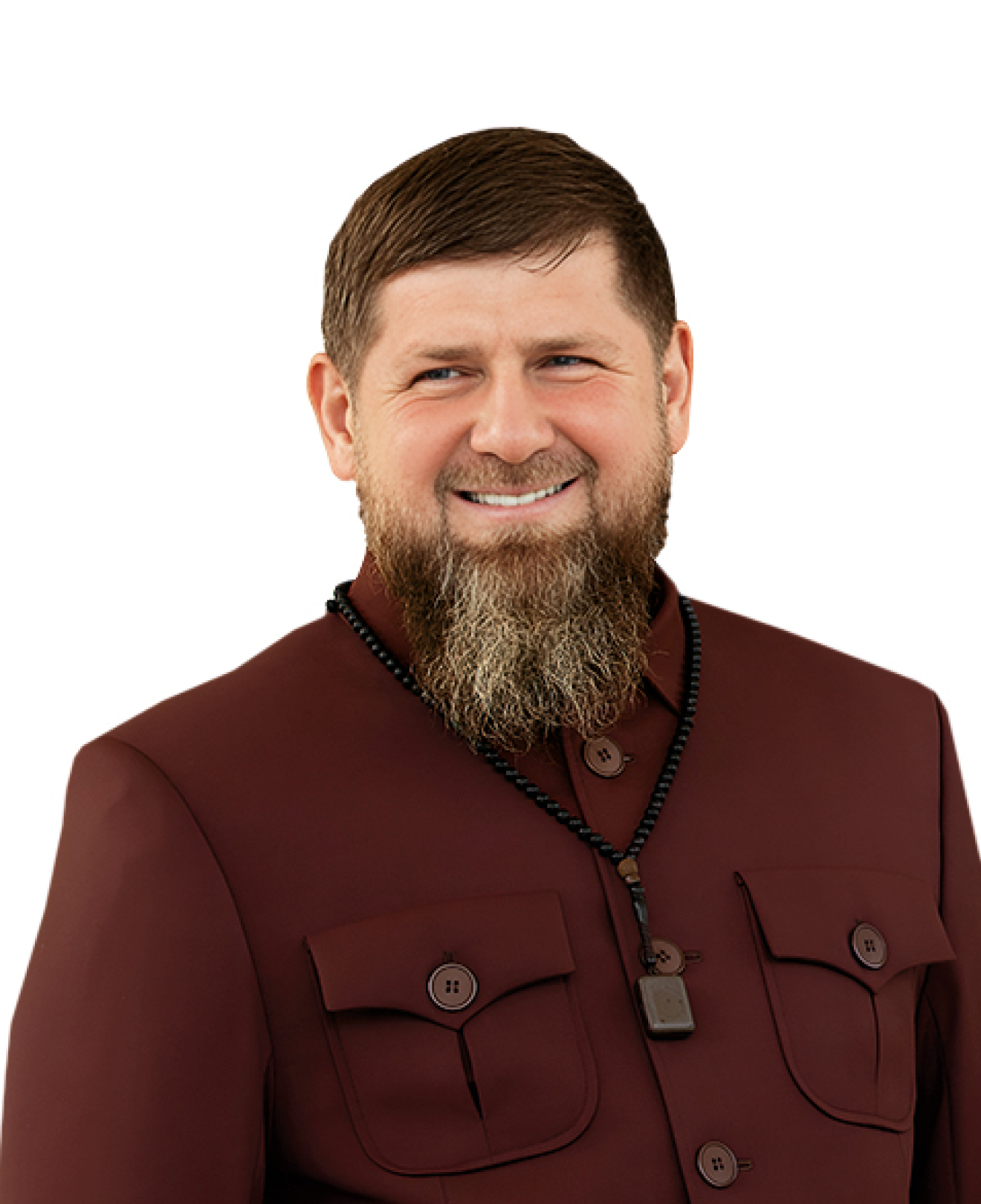
– Ramzan KADYROV, Head of the Chechen Republic
Today we see Russia and Islamic countries grow closer which is of particular importance to us. Moreover, the Russia–Middle East dialogue is being actively fostered by the Chechen Republic, one of Russia’s federal subjects.
It is well known that Russia has historically strived for friendly relations with the overwhelming majority of Islamic countries. We share the principles of equality, mutual respect and balancing interests in interstate cooperation.
Russian diplomacy inalienably pursues, among other priorities, interreligious and intercultural dialogue, mutual understanding, and consolidated efforts to protect the traditional spiritual and moral values common to all world religions. This commitment extends to actively combating Islamophobia, including through engagement with the Organisation of Islamic Cooperation.
The current policy of the Russian leadership toward the Middle East and the broader Muslim world affirms our nation’s steadfast commitment to deepening the historic friendship between Russia and the Islamic world. Many will recall that such cordial relations were actively cultivated during the latter half of the last century, when the Soviet Union provided multifaceted assistance across the Middle East and North Africa. That support helped them overcome the lingering effects of colonial oppression, develop their economies, advance science, education, and culture, as well as strengthen their defensive capabilities.
Accordingly, fostering cooperation with Arab states has always been high on the Russian foreign agenda.
Various annual international congresses and forums, held both in Russia and across the Middle East and Africa, without a doubt play an important role in this endeavour. These meetings have evolved into effective and widely sought-after platforms, bringing together stakeholders from government bodies and the business community. It is within this setting that promising joint initiatives are conceived, investment projects are deliberated, and agreements on socio-economic, scientific, technical, and humanitarian cooperation signed.
It is well known that Russia has historically strived for friendly relations with the overwhelming majority of Islamic countries. We share the principles of equality, mutual respect and balancing interests in interstate cooperation.
Russian diplomacy inalienably pursues, among other priorities, interreligious and intercultural dialogue, mutual understanding, and consolidated efforts to protect the traditional spiritual and moral values common to all world religions. This commitment extends to actively combating Islamophobia, including through engagement with the Organisation of Islamic Cooperation.
The current policy of the Russian leadership toward the Middle East and the broader Muslim world affirms our nation’s steadfast commitment to deepening the historic friendship between Russia and the Islamic world. Many will recall that such cordial relations were actively cultivated during the latter half of the last century, when the Soviet Union provided multifaceted assistance across the Middle East and North Africa. That support helped them overcome the lingering effects of colonial oppression, develop their economies, advance science, education, and culture, as well as strengthen their defensive capabilities.
Accordingly, fostering cooperation with Arab states has always been high on the Russian foreign agenda.
Various annual international congresses and forums, held both in Russia and across the Middle East and Africa, without a doubt play an important role in this endeavour. These meetings have evolved into effective and widely sought-after platforms, bringing together stakeholders from government bodies and the business community. It is within this setting that promising joint initiatives are conceived, investment projects are deliberated, and agreements on socio-economic, scientific, technical, and humanitarian cooperation signed.
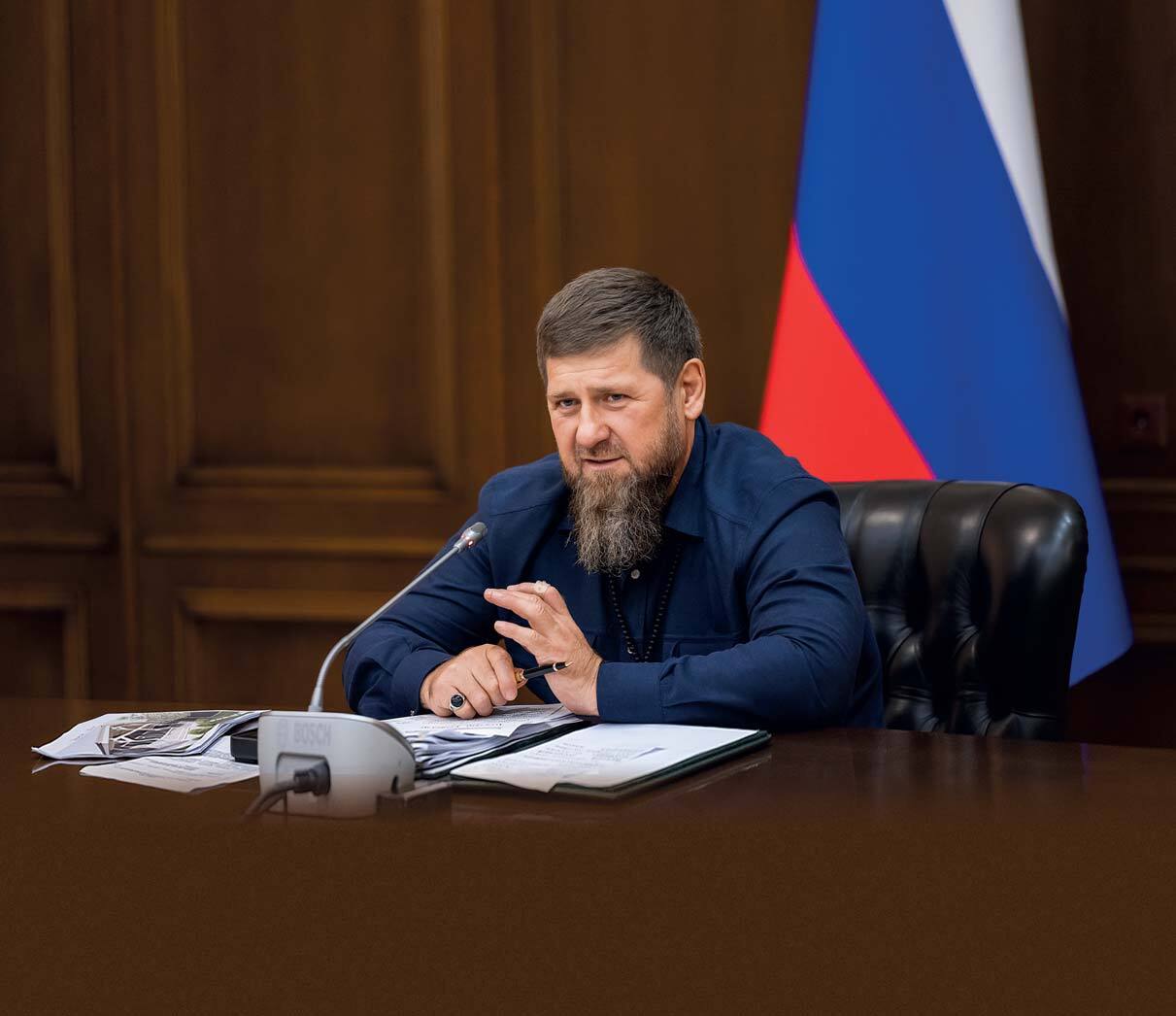
Today the Chechen Republic, alongside others, hosts regional, national and internationals events at the highest level, all bringing Russia and the Islamic world closer together.
With this in mind, I would personally like to stress that the Chechen Republic is increasingly emerging as a unifying platform in its own right—a venue for hosting a wide array of regional, all-Russian, and top-tier international events. In recent years, there has been a marked and growing interest in such engagement demonstrated by our friendly and fraternal partners from the Middle East and other regions of the Islamic world.
Business meetings, trade missions, conferences, and presentations are held on a regular basis, drawing foreign entrepreneurs as well as a range of state and non-state organisations and corporate entities.
The Chechen Republic is undergoing dynamic development across all spheres of activity and is becoming an increasingly attractive destination for investors—a trend reinforced by the policy of openness and transparency we are steadfast to pursue.
Alongside this, the Chechen Republic stands as one of the most dynamically developing republics within the North Caucasus Federal District. By several key socio-economic indicators, it ranks among the top-performing Russia’s federal subjects.
Today, the paramount objective for the region’s leadership is to preserve the gains already achieved and assure sustainable socio-economic development. Attaining this goal is contingent upon improving investment climate, enhancing the region’s appeal to investors, and expanding international and foreign economic ties. To this end, the Republic’s authorities are undertaking all necessary measures to create the most favourable conditions possible for investors and business.
At the same time, in exercising its international and foreign economic relations with foreign states—whether with administrative-territorial units, bodies of international organisations, or economic entities—the Chechen Republic, as Russia’s federal subject, conducts its policy strictly in accordance with the country’s unified foreign policy.
As has already been noted, developing relations with the Islamic world—and specifically the Arab states—constitutes a priority vector of the Russian foreign policy and foreign economic engagement. Consequently, this orientation fully aligns with the national interests of the Chechen Republic seeing Muslim countries as multidimensional strategic partners. Our spheres of cooperation include economy, investment, social, cultural, and humanitarian collaboration, as well as countering terrorism and extremism.
Business meetings, trade missions, conferences, and presentations are held on a regular basis, drawing foreign entrepreneurs as well as a range of state and non-state organisations and corporate entities.
The Chechen Republic is undergoing dynamic development across all spheres of activity and is becoming an increasingly attractive destination for investors—a trend reinforced by the policy of openness and transparency we are steadfast to pursue.
Alongside this, the Chechen Republic stands as one of the most dynamically developing republics within the North Caucasus Federal District. By several key socio-economic indicators, it ranks among the top-performing Russia’s federal subjects.
Today, the paramount objective for the region’s leadership is to preserve the gains already achieved and assure sustainable socio-economic development. Attaining this goal is contingent upon improving investment climate, enhancing the region’s appeal to investors, and expanding international and foreign economic ties. To this end, the Republic’s authorities are undertaking all necessary measures to create the most favourable conditions possible for investors and business.
At the same time, in exercising its international and foreign economic relations with foreign states—whether with administrative-territorial units, bodies of international organisations, or economic entities—the Chechen Republic, as Russia’s federal subject, conducts its policy strictly in accordance with the country’s unified foreign policy.
As has already been noted, developing relations with the Islamic world—and specifically the Arab states—constitutes a priority vector of the Russian foreign policy and foreign economic engagement. Consequently, this orientation fully aligns with the national interests of the Chechen Republic seeing Muslim countries as multidimensional strategic partners. Our spheres of cooperation include economy, investment, social, cultural, and humanitarian collaboration, as well as countering terrorism and extremism.
Russia emphasises forging stronger ties with the Islamic world, this aligns with the Chechen Republic seeing Muslim countries as multidimensional strategic partners.
In recent years, Russia’s trade turnover with the countries of the Arabian Peninsula has grown substantially, driven in part by the recalibration of Russian trade and economic policy from West to East, unfolding against the backdrop of an increasingly fragmented global economy.
Overall, Russia’s trade volume with the region has tripled over the past decade. Notably, trade turnover between Russia and the UAE grew by nearly 70% in 2023 over the same period in 2022, reaching almost one trillion roubles—an all-time high.
According to data provided by the Federal Customs Service of Russia, trade volume with the Islamic world continued to increase during the first half of 2024. Trade with the UAE grew by 28% over the same period in 2023, by 19% with Saudi Arabia, and by 22% with Egypt.
The primary drivers of this expansion have been the supply of agricultural products, fertilisers, machinery and equipment, as well as energy resources.
Among other distinctions, the UAE leads in the volume of attracted Russian investment, and it also ranks first among Arab nations in terms of investment into the Russian economy. Russian business maintains an active presence in the UAE with over 700 companies now registered.
Despite more modest trade volumes relative to those seen with the UAE, Qatar and Saudi Arabia remain among Russia’s most vital partners in the region. Economic relations are likewise being strengthened with Oman, Bahrain, and Kuwait, although the distribution of trade volume across these individual nations remains, understandably, uneven.
With the persistent pressure of sanctions imposed by a number of Western countries failing to politically and economically isolate Russia, 2023 and 2024 have proven to be a period of vigorous consolidation of her standing on the international stage, particularly in relations with the Global South and the Arab world. A striking testament to the deepening cooperation between Russia and the Global South, exemplified the League of Arab States, was the 26th St. Petersburg International Economic Forum, attended by UAE President Mohamed bin Zayed Al Nahyan and Algerian President Abdelmadjid Tebboune, as well as the 2nd Russia– Africa Summit, which featured Egyptian President Abdel Fattah el-Sisi.
Overall, Russia’s trade volume with the region has tripled over the past decade. Notably, trade turnover between Russia and the UAE grew by nearly 70% in 2023 over the same period in 2022, reaching almost one trillion roubles—an all-time high.
According to data provided by the Federal Customs Service of Russia, trade volume with the Islamic world continued to increase during the first half of 2024. Trade with the UAE grew by 28% over the same period in 2023, by 19% with Saudi Arabia, and by 22% with Egypt.
The primary drivers of this expansion have been the supply of agricultural products, fertilisers, machinery and equipment, as well as energy resources.
Among other distinctions, the UAE leads in the volume of attracted Russian investment, and it also ranks first among Arab nations in terms of investment into the Russian economy. Russian business maintains an active presence in the UAE with over 700 companies now registered.
Despite more modest trade volumes relative to those seen with the UAE, Qatar and Saudi Arabia remain among Russia’s most vital partners in the region. Economic relations are likewise being strengthened with Oman, Bahrain, and Kuwait, although the distribution of trade volume across these individual nations remains, understandably, uneven.
With the persistent pressure of sanctions imposed by a number of Western countries failing to politically and economically isolate Russia, 2023 and 2024 have proven to be a period of vigorous consolidation of her standing on the international stage, particularly in relations with the Global South and the Arab world. A striking testament to the deepening cooperation between Russia and the Global South, exemplified the League of Arab States, was the 26th St. Petersburg International Economic Forum, attended by UAE President Mohamed bin Zayed Al Nahyan and Algerian President Abdelmadjid Tebboune, as well as the 2nd Russia– Africa Summit, which featured Egyptian President Abdel Fattah el-Sisi.
A logical extension of these toptier Russian-Arab dialogues came in the form of short working visits by Russian President Putin to Abu Dhabi and Riyadh on December 6, 2023, followed by his meeting with Omani Crown Prince and Minister of Youth, Culture, and Sport Theyazin bin Haitham Al Said at the “Russia Calling!” forum on December 7, 2023, alongside other engagements. In April 2025, Russian President held talks with Sultan Haitham bin Tariq Al Said of Oman, and in May he met with Rashad Muhammad al-Alimi, President of the Presidential Leadership Council of Yemen. In January 2026, a meeting took place between President Putin and UAE President Mohamed bin Zayed Al Nahyan.
The development and expansion of the dialogue have been facilitated by several key factors:
The development and expansion of the dialogue have been facilitated by several key factors:
- BRICS expansion. Effective January 1, 2024, Egypt, the UAE, Saudi Arabia, and Iran formally joined the grouping. This development has created fundamentally new opportunities for Russia’s cooperation with key actors in the Arab world within a multilateral framework.
- Deepened cooperation with the League of Arab States. The year 2024 saw intensified contacts at the level of foreign ministries, including a series of consultations on matters pertaining to food security and logistics.
- The 2025 edition of the annual International Economic Forum “Russia — Islamic World: KazanForum.” The event drew participants from 96 countries, including delegations from the UAE, Saudi Arabia, Qatar, Bahrain, and Oman.
The stabilisation of the sociopolitical situation across the North Caucasus region as a whole, coupled with the positive momentum in the socio-economic development of the Chechen Republic in recent years, has likewise made it possible to take relations with the Middle East to a new level. The foundation for these ties was laid in early 2000s by the first President of the Chechen Republic, Hero of Russia Akhmat-Haji Kadyrov—may the God accept his martyrdom (Дала гIазот къобал дойла цуьнан!)—national leader of the Chechen people who sacrificed his life for the well-being of his native Republic and the Russian Federation.
I am firmly convinced that personal contacts and mutual respect constitute the bedrock of any long-lasting partnership. It is by virtue of the trusting relations cultivated with Arab leaders that we have succeeded in achieving tangible results in strengthening cooperation and friendship between the Chechen Republic and the Arab world.
To establish a solid foundation for further developing international cooperation and attracting investment into the region’s economy, official and business meetings with Middle Eastern government bodies and corporate structures are regularly conducted both by myself and by the Chechen Republic’s authorities. On numerous occasions, these meetings are held at the personal invitation of heads of state and top government officials.
The numerous trips undertaken abroad by our delegations have demonstrated that the Chechen Republic, as Russia’s federal subject, enjoys the trust of foreign leaders—and, first and foremost, the trust of the Arab leadership.
I take great pride in the fact that I have established the warmest and most cordial relations with the leadership of the UAE, Saudi Arabia, Bahrain, Qatar, Jordan, among others.
In 2014, His Majesty King Abdullah II of the Hashemite Kingdom of Jordan paid a friendly visit to the Chechen Republic. A number of other visits by Jordanian officials were subsequently arranged, including a visit to the Republic by Prince Mohd Abbas bin Ali bin Nayef. Reciprocal visits by delegationsfromtheChechenRepublic to Jordan have also taken place.
As a mark of profound respect, the names of King Abdullah II of Jordan and his father, Hussein bin Talal, have been bestowed upon a park and one of the streets of the Chechen capital Grozny. We are honoured by the fact that, in a reciprocal gesture, a park and a street in the Jordanian capital bear the name of Akhmat-Haji Kadyrov, as well as my own.
The Government of the Chechen Republic, and I personally, remain steadfast in our engagements to reinforce and further cultivate these friendly ties with the Middle East.
Indeed, over the past five years alone, a great number of significant official and business engagements have been held.
In February 2021, a meeting was held with the new Prime Minister of Libya’s Government of National Unity, Abdel Hamid Dbeibeh, with whom we had previously interacted within the contact group on the Intra-Libyan Settlement, operating under the auspices of the Russian Foreign Ministry. The Libyan Prime Minister expressed keen interest in establishing cooperation in training his country’s law enforcement personnel at the Russian Special Forces University in the city of Gudermes, Chechen Republic.
In April 2021, H. E. Mohammad Ahmad Sultan Essa Al Jaber, Ambassador Extraordinary and Plenipotentiary of the UAE to the Russian Federation, paid a visit to Grozny. During the visit, we inspected the construction site of the Grozny International University and the special economic zone of the Veduchi All-Season Tourist and Recreational Complex, and also met with representatives of the Sheikh Zayed Fund for entrepreneurship and innovation.
On February 25, 2022, I held a meeting in Moscow with the Prime Minister of Pakistan, Imran Khan, within the framework of his official visit to Russia. The Prime Minister noted the significant potential for developing economic relations between Pakistan, Russia, and its regions, and extended, in this regard, an invitation for me to visit Islamabad.
On June 20–22, 2022, the Chechen Republic was visited by H. E. KazemJalali,AmbassadorExtraordinary and Plenipotentiary of the Islamic Republic of Iran to the Russian Federation. The meeting resulted in an agreement to establish a working group representing the authorities and business communities of both the Chechen Republic and Iran, tasked with developing a roadmap for cooperation in agriculture, industry, culture, science, and tourism.
In October and November 2022, Grozny hosted the 16th session of the Russian-Iranian Intergovernmental Commission on Trade and Economic Cooperation, co-chaired by Deputy Prime Minister of the Russian Federation Alexander Novak. A number of documents on cooperation across various fields were signed.
These five years also saw the Government of the Chechen Republic host a considerable number of international events—official visits, working and business meetings, forums, and congresses—at which a wide array of issues in trade, economic, investment, educational, and cultural cooperation were deliberated.
One tangible outcome of this collaboration, particularly in investments, has been the implementation in recent years—and the ongoing implementation—of several major investment projects within the Chechen Republic, undertaken with the participation of business entities from the aforementioned countries. These include establishing the modern five-star hotel complex “The Local” in Grozny and opening a branch of the Khalifa Fund for Entrepreneurship Support in the Republic’s capital.
Furthermore, the Republic actively participates in humanitarian projects across the globe, including the Arab world.
I am firmly convinced that personal contacts and mutual respect constitute the bedrock of any long-lasting partnership. It is by virtue of the trusting relations cultivated with Arab leaders that we have succeeded in achieving tangible results in strengthening cooperation and friendship between the Chechen Republic and the Arab world.
To establish a solid foundation for further developing international cooperation and attracting investment into the region’s economy, official and business meetings with Middle Eastern government bodies and corporate structures are regularly conducted both by myself and by the Chechen Republic’s authorities. On numerous occasions, these meetings are held at the personal invitation of heads of state and top government officials.
The numerous trips undertaken abroad by our delegations have demonstrated that the Chechen Republic, as Russia’s federal subject, enjoys the trust of foreign leaders—and, first and foremost, the trust of the Arab leadership.
I take great pride in the fact that I have established the warmest and most cordial relations with the leadership of the UAE, Saudi Arabia, Bahrain, Qatar, Jordan, among others.
In 2014, His Majesty King Abdullah II of the Hashemite Kingdom of Jordan paid a friendly visit to the Chechen Republic. A number of other visits by Jordanian officials were subsequently arranged, including a visit to the Republic by Prince Mohd Abbas bin Ali bin Nayef. Reciprocal visits by delegationsfromtheChechenRepublic to Jordan have also taken place.
As a mark of profound respect, the names of King Abdullah II of Jordan and his father, Hussein bin Talal, have been bestowed upon a park and one of the streets of the Chechen capital Grozny. We are honoured by the fact that, in a reciprocal gesture, a park and a street in the Jordanian capital bear the name of Akhmat-Haji Kadyrov, as well as my own.
The Government of the Chechen Republic, and I personally, remain steadfast in our engagements to reinforce and further cultivate these friendly ties with the Middle East.
Indeed, over the past five years alone, a great number of significant official and business engagements have been held.
In February 2021, a meeting was held with the new Prime Minister of Libya’s Government of National Unity, Abdel Hamid Dbeibeh, with whom we had previously interacted within the contact group on the Intra-Libyan Settlement, operating under the auspices of the Russian Foreign Ministry. The Libyan Prime Minister expressed keen interest in establishing cooperation in training his country’s law enforcement personnel at the Russian Special Forces University in the city of Gudermes, Chechen Republic.
In April 2021, H. E. Mohammad Ahmad Sultan Essa Al Jaber, Ambassador Extraordinary and Plenipotentiary of the UAE to the Russian Federation, paid a visit to Grozny. During the visit, we inspected the construction site of the Grozny International University and the special economic zone of the Veduchi All-Season Tourist and Recreational Complex, and also met with representatives of the Sheikh Zayed Fund for entrepreneurship and innovation.
On February 25, 2022, I held a meeting in Moscow with the Prime Minister of Pakistan, Imran Khan, within the framework of his official visit to Russia. The Prime Minister noted the significant potential for developing economic relations between Pakistan, Russia, and its regions, and extended, in this regard, an invitation for me to visit Islamabad.
On June 20–22, 2022, the Chechen Republic was visited by H. E. KazemJalali,AmbassadorExtraordinary and Plenipotentiary of the Islamic Republic of Iran to the Russian Federation. The meeting resulted in an agreement to establish a working group representing the authorities and business communities of both the Chechen Republic and Iran, tasked with developing a roadmap for cooperation in agriculture, industry, culture, science, and tourism.
In October and November 2022, Grozny hosted the 16th session of the Russian-Iranian Intergovernmental Commission on Trade and Economic Cooperation, co-chaired by Deputy Prime Minister of the Russian Federation Alexander Novak. A number of documents on cooperation across various fields were signed.
These five years also saw the Government of the Chechen Republic host a considerable number of international events—official visits, working and business meetings, forums, and congresses—at which a wide array of issues in trade, economic, investment, educational, and cultural cooperation were deliberated.
One tangible outcome of this collaboration, particularly in investments, has been the implementation in recent years—and the ongoing implementation—of several major investment projects within the Chechen Republic, undertaken with the participation of business entities from the aforementioned countries. These include establishing the modern five-star hotel complex “The Local” in Grozny and opening a branch of the Khalifa Fund for Entrepreneurship Support in the Republic’s capital.
Furthermore, the Republic actively participates in humanitarian projects across the globe, including the Arab world.

In recent years, the Chechen Republic has hosted a number of international events focusing on trade, investment, education, and cultural cooperation with the Middle East.
A variety of humanitarian initiatives and relief operations are carried out in the Middle East, e.g. Syria, Iraq, Jordan, among others, as well as across North Africa.
At the initiative of Aymani Kadyrova, President of the Akhmat Kadyrov Regional Public Foundation, over a thousand jobs in clothing manufacturing were created in Damascus and Aleppo, and funding was provided for complex surgical procedures for those wounded in military actions. Syrians facing dire hardship have also received large-scale humanitarian assistance in food and clothing.
Devastated cities and communities across the world’s most impoverished nations saw the Fund construct mosques, medical centres, water towers, and other vital infrastructure essential to the local populace.
Today, the Chechen Republic stands ready—within the scope of the authority and mandates entrusted to it by the Russian leadership, and drawing upon its established ties and friendly relations with the leadership of Middle Eastern and other Muslim nations—to play an active role in broadening political dialogue and in fostering security and socio-economic development.
Russia and the Islamic states are bound by enduring bonds of friendship and partnership, and I am firmly convinced that the upcoming International Economic Forum “Russia — Islamic World: KazanForum” will serve as a venue that further unlocks the full potential of this collaboration.
In closing, I am pleased to congratulate the Group of Strategic Vision “Russia — Islamic World” on its 20th anniversary, and to wish the Group every success in achieving its objectives and tasks. I also wish fruitful deliberations to all participants of the 17th International Economic Forum “Russia — Islamic World: KazanForum.”
At the initiative of Aymani Kadyrova, President of the Akhmat Kadyrov Regional Public Foundation, over a thousand jobs in clothing manufacturing were created in Damascus and Aleppo, and funding was provided for complex surgical procedures for those wounded in military actions. Syrians facing dire hardship have also received large-scale humanitarian assistance in food and clothing.
Devastated cities and communities across the world’s most impoverished nations saw the Fund construct mosques, medical centres, water towers, and other vital infrastructure essential to the local populace.
Today, the Chechen Republic stands ready—within the scope of the authority and mandates entrusted to it by the Russian leadership, and drawing upon its established ties and friendly relations with the leadership of Middle Eastern and other Muslim nations—to play an active role in broadening political dialogue and in fostering security and socio-economic development.
Russia and the Islamic states are bound by enduring bonds of friendship and partnership, and I am firmly convinced that the upcoming International Economic Forum “Russia — Islamic World: KazanForum” will serve as a venue that further unlocks the full potential of this collaboration.
In closing, I am pleased to congratulate the Group of Strategic Vision “Russia — Islamic World” on its 20th anniversary, and to wish the Group every success in achieving its objectives and tasks. I also wish fruitful deliberations to all participants of the 17th International Economic Forum “Russia — Islamic World: KazanForum.”