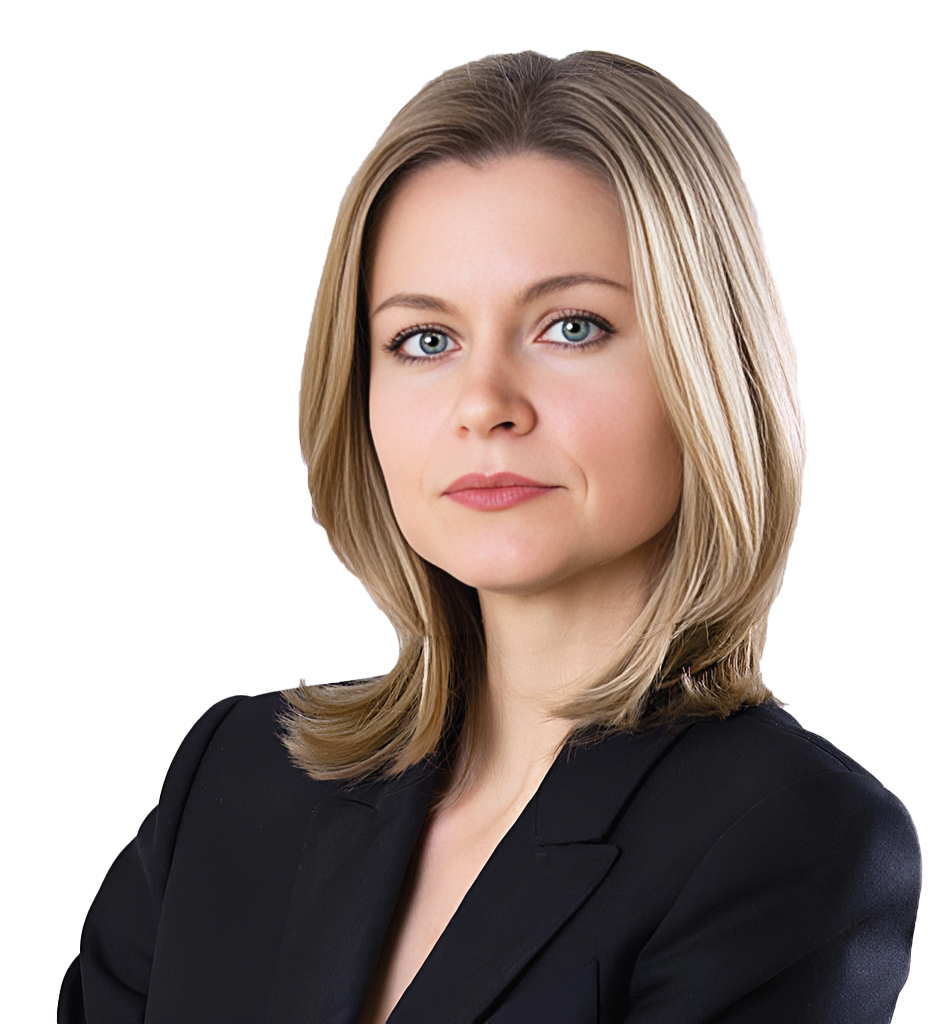
Given the divergence of views on the future of global energy, dialogue at relevant multilateral platforms can be viewed as a battle for energy sovereignty of the Global Majority.
– Olga YUDINA, Director of the Department of International Cooperation, Russian Energy Agency, Ministry of Energy of the Russian Federation
MULTILATERAL PLATFORMS SHAPING GLOBAL ENERGY AGENDA
In today’s international relations, issues tied to economic diplomacy are taking centre stage. And energy, undoubtedly, is a defining pillar of international economic cooperation. Hence, alongside traditionally robust bilateral engagement in this field, energy has firmly secured its rightful place high on the agenda of global and regional multilateral structures and associations. Yet the role of multilateral platforms in energy dialogue is being shaped by multiple forces— including the growing trend towards politicising energy dialogue amid unprecedented geopolitical tensions, shifts in energy demand geography, technological transformation, and climate agenda. Time and again these discussions see the same question: what will the energy landscape of tomorrow look like?
At present, several distinct positions within the multilateral energy dialogue can be clearly identified.
On the one hand, there is the Western approach, largely built on an accelerated green agenda which views the energy transition primarily through the lens of climate concerns. Green standards, carbon regulation, restrictions on financing for traditional energy, and the pursuit of net zero at any cost—these are its main tools.
On the other hand, is a coalition of nations—including Russia—advocating a balanced approach to shaping the energy landscape of the future. It takes the national specificities into account when setting energy balances, embracing technological neutrality, and a range of other critical factors. Together, these define the model of a just energy transition as the benchmark, one that helps promote global energy security.
This approach holds particular significance for the Global Majority, as reliable and economically sound energy is an absolute priority for these nations.
On the one hand, there is the Western approach, largely built on an accelerated green agenda which views the energy transition primarily through the lens of climate concerns. Green standards, carbon regulation, restrictions on financing for traditional energy, and the pursuit of net zero at any cost—these are its main tools.
On the other hand, is a coalition of nations—including Russia—advocating a balanced approach to shaping the energy landscape of the future. It takes the national specificities into account when setting energy balances, embracing technological neutrality, and a range of other critical factors. Together, these define the model of a just energy transition as the benchmark, one that helps promote global energy security.
This approach holds particular significance for the Global Majority, as reliable and economically sound energy is an absolute priority for these nations.
A third group comprises those yet to finalise their energy development strategies. They recognise the trend towards greening the entire energy sector, while grappling with the economic reality of meeting growing domestic energy demand.
Polarised approaches and paradigms have turned multilateral energy dialogue platforms into a battleground—over narratives and energy sovereignty for the Global Majority— shaping the models for the future of global energy.
In this context, Russia’s active and systematic engagement in multilateral forums takes on particular significance. Russia participates in every major country-specific and thematic grouping engaged in the energy agenda—the G20, BRICS, the Shanghai Cooperation Organisation (SCO), the Association of Southeast Asian Nations (ASEAN), and the AsiaPacific Economic Cooperation (APEC) forum—with Russian diplomats and experts working consistently in each to advance national interests and support energy sovereignty for the Global Majority.
Alongside this, a systematic effort is underway across the United Nations circuit, notably within UN regional commissions operating under ECOSOC—including the United Nations Economic Commission for Europe (UNECE) and the United Nations Economic and Social Commission for Asia and the Pacific (ESCAP)—as well as within sector-specific bodies such as the Gas Exporting Countries Forum (GECF), the International Energy Forum (IEF), the International Renewable Energy Agency (IRENA), and the OPEC+ framework.
This multidimensional presence across multilateral platforms enables Russia, through energy diplomacy, to advance its priorities while simultaneously shaping fair rules for the future of global energy. In this finely tuned and painstaking effort, Russia deploys a whole arsenal of tools and approaches, which can be classified as “soft power” and broadly organised into four interconnected areas.
The first and foremost dimension of energy diplomacy at multilateral platforms is fostering uniform principles and approaches to key issues in global energy development.
A prime example is the BRICS Energy Research Cooperation Platform (ERCP), established at Russia’s initiative with the backing of all member states. Its secretariat operates under the Russian Energy Agency (REA) within the Russian Energy Ministry. The significance of joint forecasts and research can scarcely be overstated: such analysis sets trends and serves as a beacon for policymakers, businesses, and civil society leaders in elaborating and making decisions, particularly those concerning investment.
Polarised approaches and paradigms have turned multilateral energy dialogue platforms into a battleground—over narratives and energy sovereignty for the Global Majority— shaping the models for the future of global energy.
In this context, Russia’s active and systematic engagement in multilateral forums takes on particular significance. Russia participates in every major country-specific and thematic grouping engaged in the energy agenda—the G20, BRICS, the Shanghai Cooperation Organisation (SCO), the Association of Southeast Asian Nations (ASEAN), and the AsiaPacific Economic Cooperation (APEC) forum—with Russian diplomats and experts working consistently in each to advance national interests and support energy sovereignty for the Global Majority.
Alongside this, a systematic effort is underway across the United Nations circuit, notably within UN regional commissions operating under ECOSOC—including the United Nations Economic Commission for Europe (UNECE) and the United Nations Economic and Social Commission for Asia and the Pacific (ESCAP)—as well as within sector-specific bodies such as the Gas Exporting Countries Forum (GECF), the International Energy Forum (IEF), the International Renewable Energy Agency (IRENA), and the OPEC+ framework.
This multidimensional presence across multilateral platforms enables Russia, through energy diplomacy, to advance its priorities while simultaneously shaping fair rules for the future of global energy. In this finely tuned and painstaking effort, Russia deploys a whole arsenal of tools and approaches, which can be classified as “soft power” and broadly organised into four interconnected areas.
The first and foremost dimension of energy diplomacy at multilateral platforms is fostering uniform principles and approaches to key issues in global energy development.
A prime example is the BRICS Energy Research Cooperation Platform (ERCP), established at Russia’s initiative with the backing of all member states. Its secretariat operates under the Russian Energy Agency (REA) within the Russian Energy Ministry. The significance of joint forecasts and research can scarcely be overstated: such analysis sets trends and serves as a beacon for policymakers, businesses, and civil society leaders in elaborating and making decisions, particularly those concerning investment.
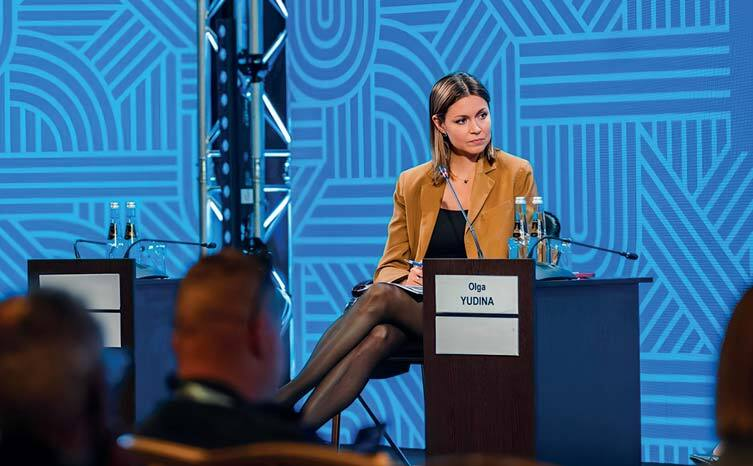
Within the Energy Platform, research is conducted on a broad range of issues—from forecasting BRICS energy development to workforce training and youth engagement.
Research covers a broad spectrum of issues, from the overall energy development of the member states and technological cooperation to workforce training and youth engagement. The Energy Platform has issued the first-ever forecast for BRICS energy development up to 2040, as well as developed a uniform, consolidated approach to a just energy transition.
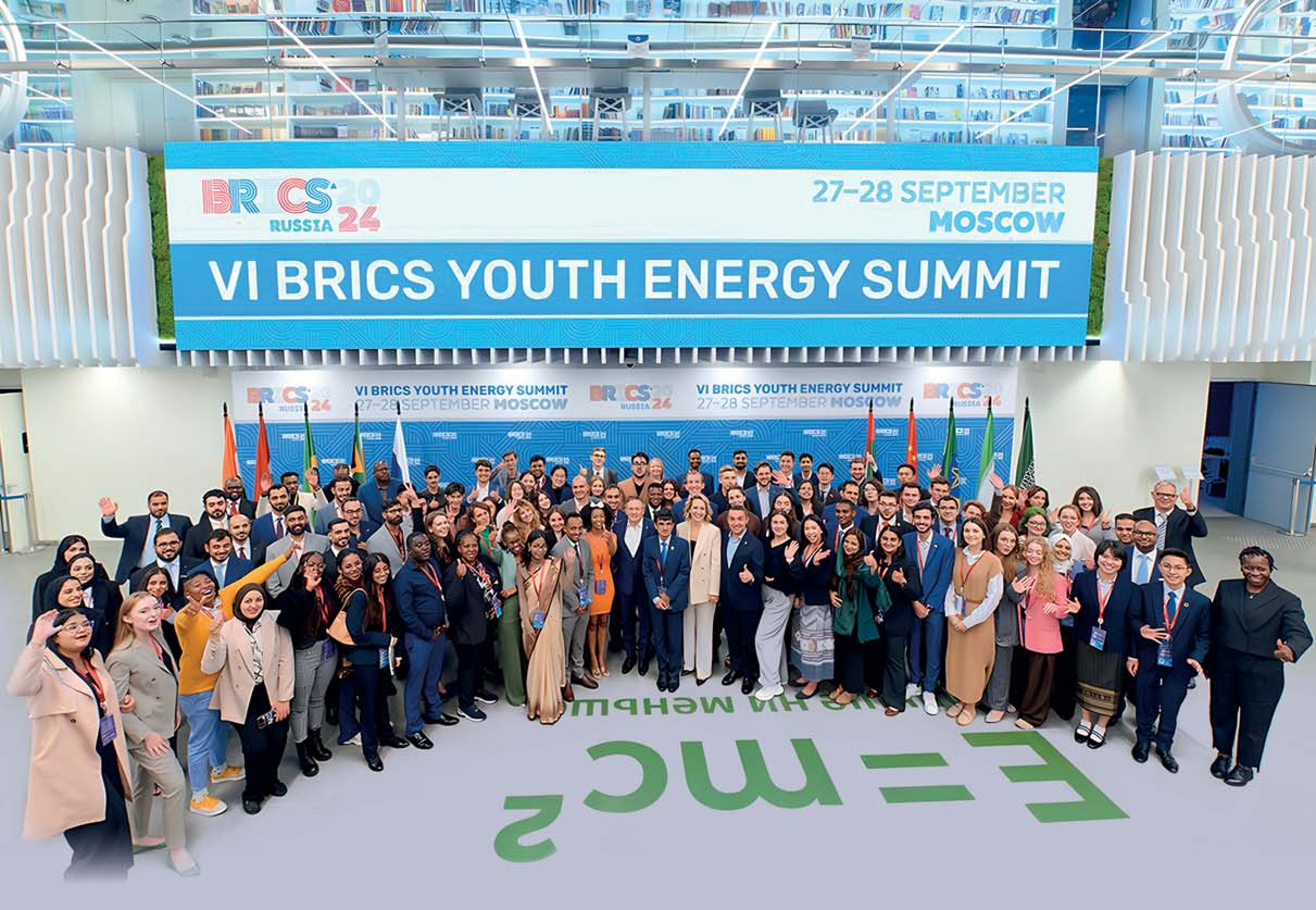
Alongside joint analytical research, the unified statistical framework serves as another foundation for common principles and approaches in developing the energy sector. Russia, through the REA under the Ministry of Energy, is spearheading efforts to develop such a mechanism within ASEAN. Since last year, a project has been underway aimed at enhancing the capacity of Russia and ASEAN in energy statistics. Its goal is to achieve deep harmonisation of terminology and elaborate energy data collection and processing methods. In effect, it is about creating a common language for dialogue, as uniform approaches and conceptual frameworks largely facilitate practical cooperation— including data verification for joint investment projects and foreign direct investment.
A second critical pillar of Russian energy diplomacy at multilateral platforms is the showcasing of its energy expertise.
Particular emphasis is placed on expert engagement within the UN, notably through its regional commissions, where in-depth discussions are held across a wide array of issues—including natural gas markets, energy efficiency, clean energy, renewables, coalmine methane, and resource classification.
Parallel to the UN system, Russia extends its expert presence at country-specific multilateral platforms. The BRICS Energy Research Cooperation Platform (ERCP) mentioned earlier brings together over 30 large companies, institutes, and organisations. Russian experts are actively engaged in the work of key APEC expert groups—on clean fossil fuels, energy data analysis, energy efficiency and conservation, as well as new and renewable energy.
The knowledge and experience of Russian experts go beyond conventional energy into renewables, as vividly demonstrated by Russian companies and sectoral organisations participating in the activities of the International Renewable Energy Agency (IRENA).
The deep sectoral expertise that Russia brings to multilateral forums, combined with its top-tier diplomats, enables to influence decision-making—advancing Russian priorities and approaches.
A significant contribution to advancing Russia’s positions at multilateral energy platforms is made through the support of practical, applied projects.
One of the most notable is the project to support sustainable energy development in North and Central Asia, implemented under the auspices of the UN Economic and Social Commission for Asia and the Pacific (ESCAP). In 2025, over 150 specialists from energy companies across Central Asia underwent training at the Russian Power System Operator. For countries whose energy grids have historically operated in parallel, such coordination of personnel training directly impacts reliability and security.
A study—in fact an action plan— on NGV fuel in the region, published with the UN Economic Commission for Europe (UNECE), proved highly sought after among CIS countries. A similar publication was issued for Southeast Asia by ESCAP. Another example is the fundamental study forecasting the use of natural gas in the Asia-Pacific region.
No less promising in energy diplomacy across multilateral forums is engagement with the youth.
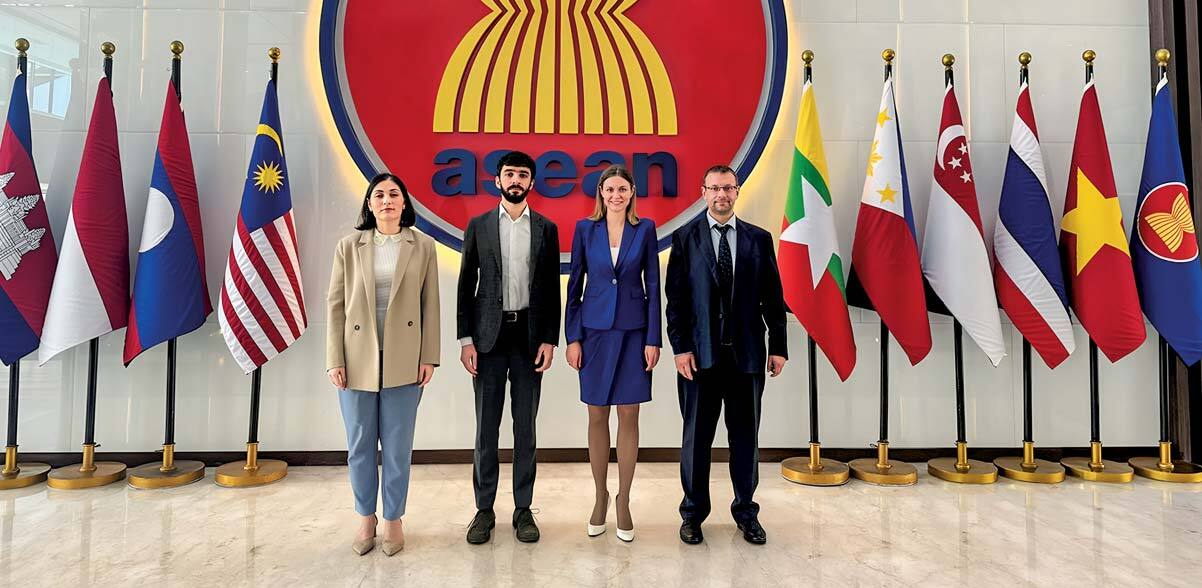
Russia actively supports and develops youth engagement in the energy sector across various multilateral platforms. Among its successes is the BRICS Youth Energy Agency, which today brings together over 1,500 young specialists from the member states.
A recent landmark development was the launch of a large scale youth project under the auspices of ESCAP in 2025, aimed at establishing a Youth Energy Platform within the Commission. Its value lies, among other things, in the fact that it represents the first experience of creating a youth energy structure within the UN circuit.
Alongside joint analytical research, the unified statistical framework serves as another foundation for common principles and approaches in developing the energy sector. Russia, through the REA under the Ministry of Energy, is spearheading efforts to develop such a mechanism within ASEAN. Since last year, a project has been underway aimed at enhancing the capacity of Russia and ASEAN in energy statistics. Its goal is to achieve deep harmonisation of terminology and elaborate energy data collection and processing methods. In effect, it is about creating a common language for dialogue, as uniform approaches and conceptual frameworks largely facilitate practical cooperation— including data verification for joint investment projects and foreign direct investment.
A second critical pillar of Russian energy diplomacy at multilateral platforms is the showcasing of its energy expertise.
Particular emphasis is placed on expert engagement within the UN, notably through its regional commissions, where in-depth discussions are held across a wide array of issues—including natural gas markets, energy efficiency, clean energy, renewables, coalmine methane, and resource classification.
Parallel to the UN system, Russia extends its expert presence at country-specific multilateral platforms. The BRICS Energy Research Cooperation Platform (ERCP) mentioned earlier brings together over 30 large companies, institutes, and organisations. Russian experts are actively engaged in the work of key APEC expert groups—on clean fossil fuels, energy data analysis, energy efficiency and conservation, as well as new and renewable energy.
The knowledge and experience of Russian experts go beyond conventional energy into renewables, as vividly demonstrated by Russian companies and sectoral organisations participating in the activities of the International Renewable Energy Agency (IRENA).
The deep sectoral expertise that Russia brings to multilateral forums, combined with its top-tier diplomats, enables to influence decision-making—advancing Russian priorities and approaches.
A significant contribution to advancing Russia’s positions at multilateral energy platforms is made through the support of practical, applied projects.
One of the most notable is the project to support sustainable energy development in North and Central Asia, implemented under the auspices of the UN Economic and Social Commission for Asia and the Pacific (ESCAP). In 2025, over 150 specialists from energy companies across Central Asia underwent training at the Russian Power System Operator. For countries whose energy grids have historically operated in parallel, such coordination of personnel training directly impacts reliability and security.
A study—in fact an action plan— on NGV fuel in the region, published with the UN Economic Commission for Europe (UNECE), proved highly sought after among CIS countries. A similar publication was issued for Southeast Asia by ESCAP. Another example is the fundamental study forecasting the use of natural gas in the Asia-Pacific region.
No less promising in energy diplomacy across multilateral forums is engagement with the youth.
Russia actively supports and develops youth engagement in the energy sector across various multilateral platforms. Among its successes is the BRICS Youth Energy Agency, which today brings together over 1,500 young specialists from the member states.
A recent landmark development was the launch of a large scale youth project under the auspices of ESCAP in 2025, aimed at establishing a Youth Energy Platform within the Commission. Its value lies, among other things, in the fact that it represents the first experience of creating a youth energy structure within the UN circuit.
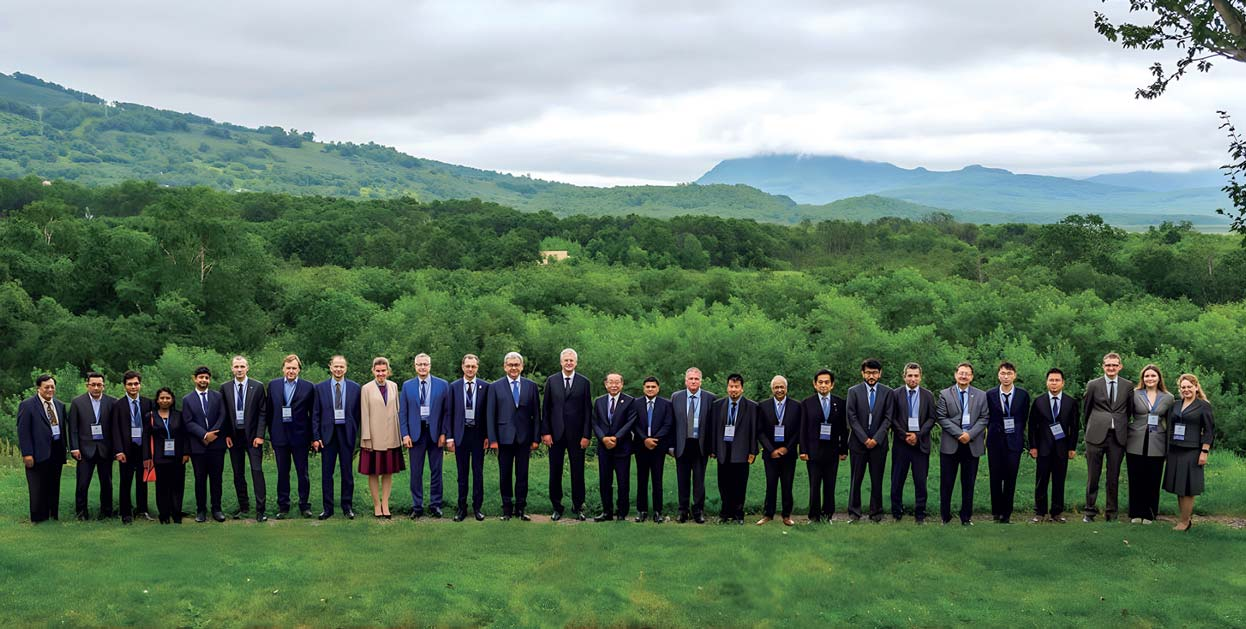
Such projects not only broaden professional contacts among young specialists in the region but also enable the integration of promising youth initiatives into practical policy, thereby shaping the human and intellectual groundwork for long term cooperation.
The takeaways are that the results achieved by multilateral platforms are not measured directly in barrels or megawatts. Yet it is amid long and sometimes gruelling expert discussions that the “rules of the game”— norms, technical standards and conceptual approaches—are set. These categories, which may seem abstract at first glance, will subsequently determine where multi billion dollar investment flows are directed, shape R&D, and define international trade and energy legislation for decades to come.
By systematically expanding its expert and project presence across all major multilateral forums, and by infusing them with concrete, viable initiatives, Russia is actively shaping the future energy paradigm. In doing so, it offers the Global South an appealing and realistic alternative, grounded in the unwavering principles of equality, respect for national sovereignty, mutual benefit, and common sense.
And this genuine struggle for the future of global energy lays a solid foundation for multipolarity, where every state has the inalienable right to define its own path in the energy of the future, and to enjoy energy sovereignty.
The takeaways are that the results achieved by multilateral platforms are not measured directly in barrels or megawatts. Yet it is amid long and sometimes gruelling expert discussions that the “rules of the game”— norms, technical standards and conceptual approaches—are set. These categories, which may seem abstract at first glance, will subsequently determine where multi billion dollar investment flows are directed, shape R&D, and define international trade and energy legislation for decades to come.
By systematically expanding its expert and project presence across all major multilateral forums, and by infusing them with concrete, viable initiatives, Russia is actively shaping the future energy paradigm. In doing so, it offers the Global South an appealing and realistic alternative, grounded in the unwavering principles of equality, respect for national sovereignty, mutual benefit, and common sense.
And this genuine struggle for the future of global energy lays a solid foundation for multipolarity, where every state has the inalienable right to define its own path in the energy of the future, and to enjoy energy sovereignty.