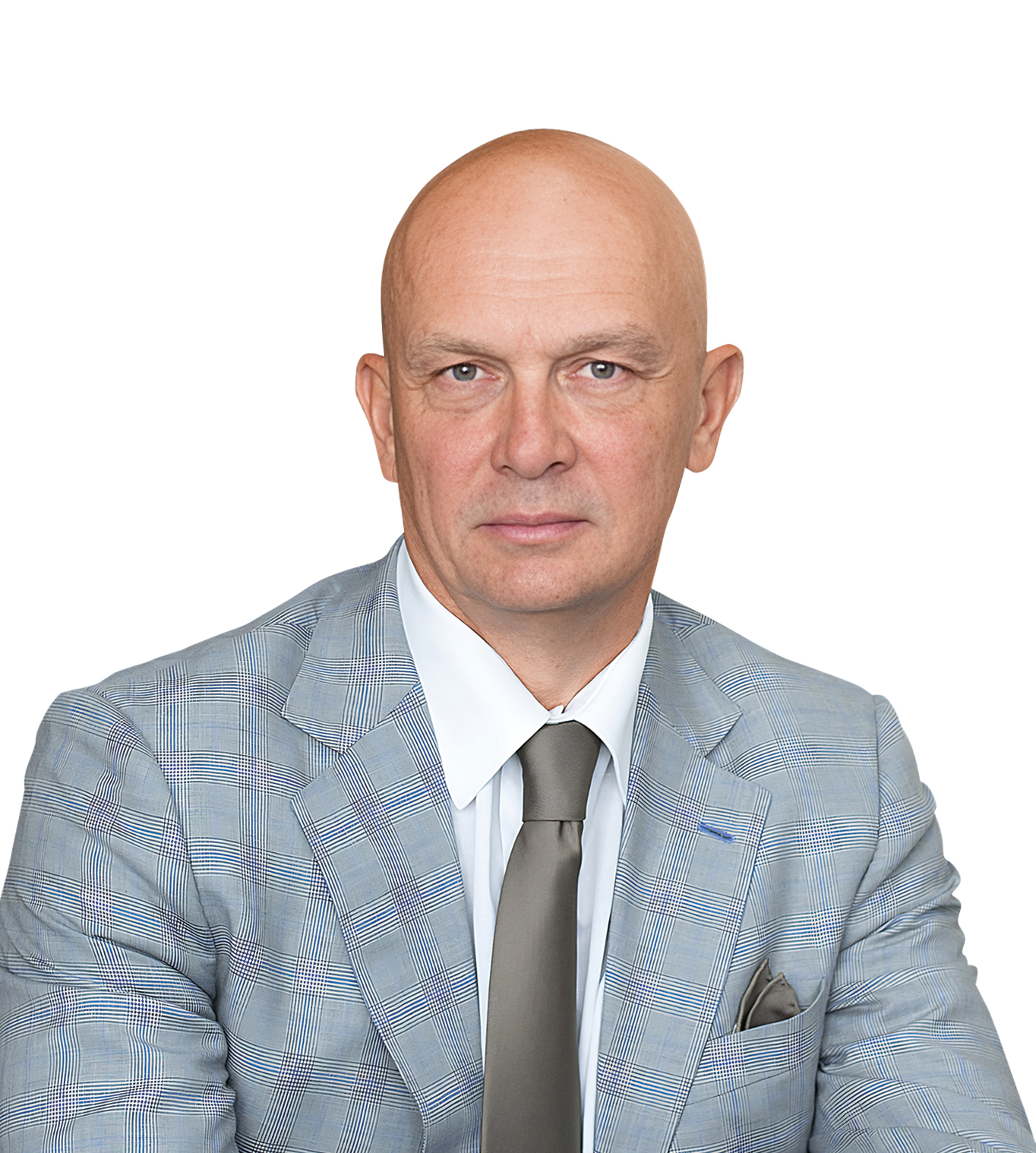
Eduard Budantsev, President of the “Diktatura Zakona” Group of Companies
«OUR AGENDA IS TO STRENGTHEN OUR FOOTING IN THE EURASIAN LEGAL LANDSCAPE».
When traditional legal guarantees crumble, new ones emerge—born from dialogue between jurisdictions. Eduard Budantsev, Chairman of the “Diktatura Zakona” Bar Association, speaks to “Eurasian Dialogue” about how Russia’s business and legal communities have not only adapted to new realities, but become active “architects” of the future legal landscape.
— Mr. Budantsev, as 2025 draws to a close, what would you consider the main professional victories or completed projects of the “Diktatu ra Zakona” Bar Association that you are most proud of? Maybe some ex amples of the most challenging and momentous cases of the year?
— This year was a logical continua tion of the strategic course we had previously set. Speaking of victories, I take pride not in individual cases, but in the sustainable growth of our entire structure. We are more than just lawyers—we are a group of com panies, and this year we have signifi cantly strengthened that status.
Among the landmark cases were a number of complex and high-profile proceedings. In particular, we achieved significant success in defending health workers, where we proved the lack of corpus delic ti or secured the reclassification of charges.
We also successfully navigated a number of major corporate disputes and conflicts with government au thorities, where the assets and the goodwill of leading Russian compa nies were on the line. Our principle is not to whoop it up, but to consis tently deliver high results for our cli ents, even if the case never makes the headlines.
— What about your international and congress activity? How important is this for the Bar Association, and what key events of this year would you highlight?
— This is an extremely important, strategic focus. Our participation in major business and professional plat forms is not just a PR exercise—it is a tool of direct influence on the le gal agenda and the exchange of best practices.
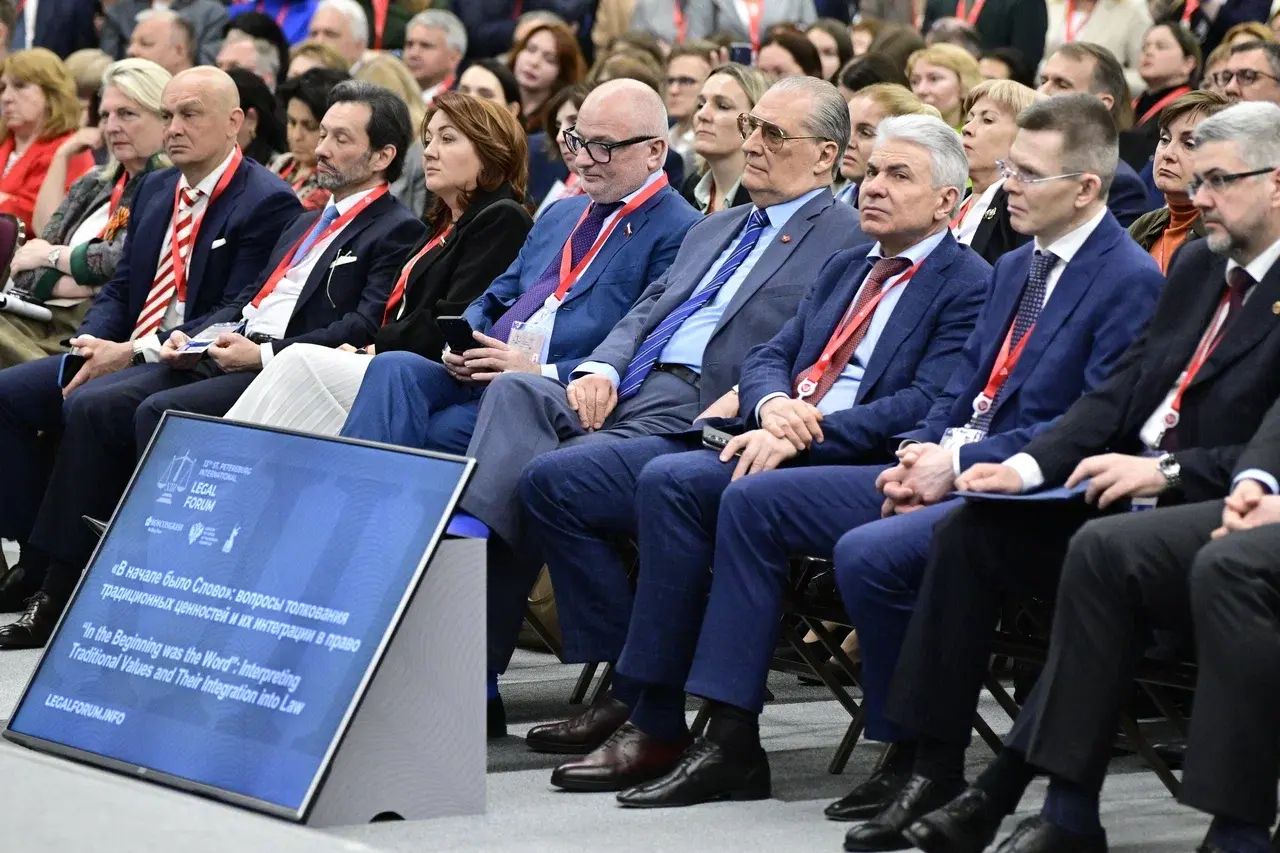
As last year, we were active par ticipants and moderators at the St. Petersburg International Econom ic Forum (SPIEF), St. Petersburg Inter national Legal Forum (SPILF), Eastern Economic Forum (EEF), and the World Forum “New Era—New Ways.” For ex ample, at SPIEF–2025, we contribut ed to the session “80th Anniversary of Victory in World War II: The Al lies’ Responsibility to Uphold Peace,” where we stressed the importance of preserving historical truth and coun tering the glorification of Nazism.
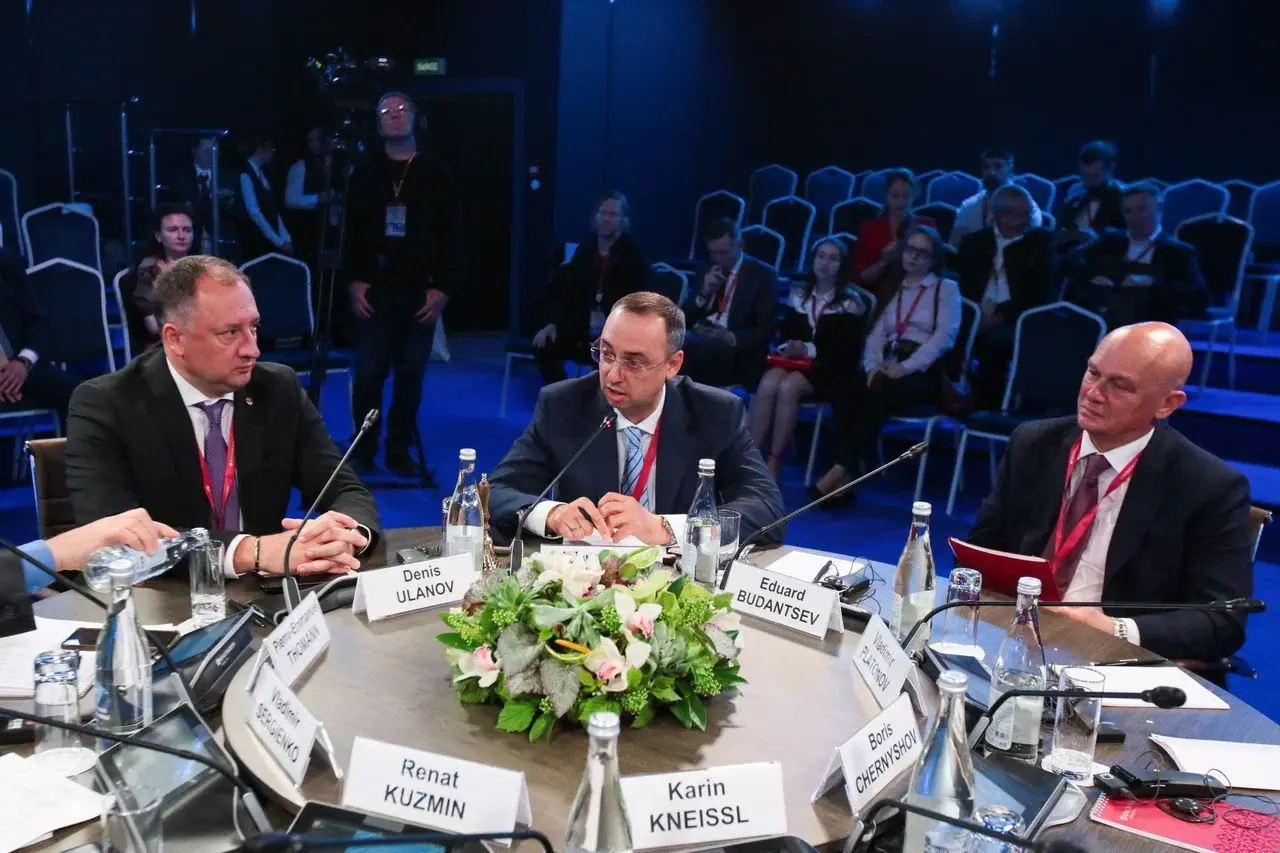
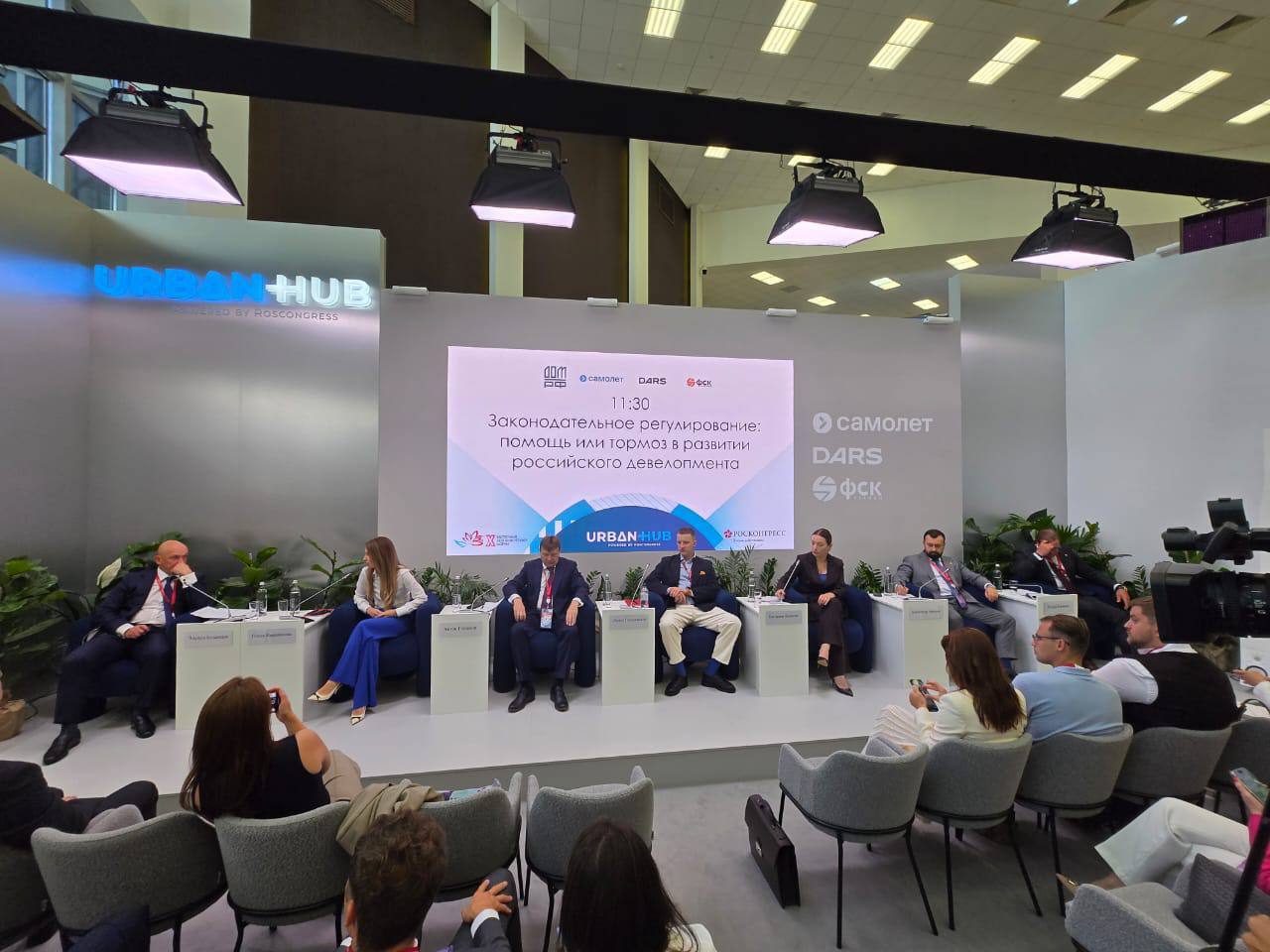
At SPILF–2025, our Association acted as the co-organiser of the ses sion “Legal Aspects of Corporate Se curity Assurance,” and at the Eastern Economic Forum, I led a discussion on balancing legislative regulation in real estate development.
These events are not simply items to be ticked off a report, they provide an opportunity to directly exchange views with colleagues, businesses, and regulators—to literally “take the pulse” of the evolving legal land scape and to shape it, which allows us not only to respond to changes but to anticipate them.
— This year was a logical continua tion of the strategic course we had previously set. Speaking of victories, I take pride not in individual cases, but in the sustainable growth of our entire structure. We are more than just lawyers—we are a group of com panies, and this year we have signifi cantly strengthened that status.
Among the landmark cases were a number of complex and high-profile proceedings. In particular, we achieved significant success in defending health workers, where we proved the lack of corpus delic ti or secured the reclassification of charges.
We also successfully navigated a number of major corporate disputes and conflicts with government au thorities, where the assets and the goodwill of leading Russian compa nies were on the line. Our principle is not to whoop it up, but to consis tently deliver high results for our cli ents, even if the case never makes the headlines.
— What about your international and congress activity? How important is this for the Bar Association, and what key events of this year would you highlight?
— This is an extremely important, strategic focus. Our participation in major business and professional plat forms is not just a PR exercise—it is a tool of direct influence on the le gal agenda and the exchange of best practices.
As last year, we were active par ticipants and moderators at the St. Petersburg International Econom ic Forum (SPIEF), St. Petersburg Inter national Legal Forum (SPILF), Eastern Economic Forum (EEF), and the World Forum “New Era—New Ways.” For ex ample, at SPIEF–2025, we contribut ed to the session “80th Anniversary of Victory in World War II: The Al lies’ Responsibility to Uphold Peace,” where we stressed the importance of preserving historical truth and coun tering the glorification of Nazism.
At SPILF–2025, our Association acted as the co-organiser of the ses sion “Legal Aspects of Corporate Se curity Assurance,” and at the Eastern Economic Forum, I led a discussion on balancing legislative regulation in real estate development.
These events are not simply items to be ticked off a report, they provide an opportunity to directly exchange views with colleagues, businesses, and regulators—to literally “take the pulse” of the evolving legal land scape and to shape it, which allows us not only to respond to changes but to anticipate them.

— Which legal practices and services have seen the greatest demand from clients in recent years? What’s be hind it?
— We are undoubtedly witnessing a structural shift in demands. Three ar eas have emerged as paramount.
Firstly, businesses have a demand for holistic legal support, which today is impossible without different deeply integrated practices—judicial and ar bitration protection, tax practice and compliance consulting. Companies are no longer seeking mere “firefight ers” to extinguish existing blazes, but rather strategic partners capable of building legal frameworks resilient against external pressures.
Secondly, high demand persists for defence in criminal proceedings, particularly in cases with economic undertones.
Thirdly, we are witnessing explo sive growth in international law and arbitration, but with a completely new dynamic. This is no longer about striking traditional deals with Euro pean partners, but about building le gal bridges under sanctions—working with jurisdictions in Asia, the Middle East, and Africa.
This shift is driven by a range of factors: evolving legislation, a new economic reality, and foreign policy challenges. Businesses urgently need specialists who understand these new outlines.
— In 2025, as your Association marks its 22nd anniversary, what is the secret behind such steady growth and your position as one of Moscow’s leading law firms? How do you keep up team spirit?
— The secret, if there is one, lies in our unwavering commitment to the core principles established when the Asso ciation was founded. Foremost among these is the “diktatura zakona” (dictate of law)—not as a mere slogan, but as a genuine working principle. We do not seek loopholes; instead, we pursue the most robust and lawful grounds to de fend our clients’ interests.
The second cornerstone is our mentorship system and continuous professional growth through integra tion into the wider legal community.
We do not confine ourselves to our office. On the contrary, we en courage our lawyers to participate in Russian and international forums and conferences, where they present reports, engage in panel discussions, and absorb the best international and domestic practices.
This uncensored exchange of knowledge is a powerful tool for maintaining the highest professional standards and fostering a cohesive team spirit among like-minded pro fessionals who tackle the most com plex challenges together.
— We are undoubtedly witnessing a structural shift in demands. Three ar eas have emerged as paramount.
Firstly, businesses have a demand for holistic legal support, which today is impossible without different deeply integrated practices—judicial and ar bitration protection, tax practice and compliance consulting. Companies are no longer seeking mere “firefight ers” to extinguish existing blazes, but rather strategic partners capable of building legal frameworks resilient against external pressures.
Secondly, high demand persists for defence in criminal proceedings, particularly in cases with economic undertones.
Thirdly, we are witnessing explo sive growth in international law and arbitration, but with a completely new dynamic. This is no longer about striking traditional deals with Euro pean partners, but about building le gal bridges under sanctions—working with jurisdictions in Asia, the Middle East, and Africa.
This shift is driven by a range of factors: evolving legislation, a new economic reality, and foreign policy challenges. Businesses urgently need specialists who understand these new outlines.
— In 2025, as your Association marks its 22nd anniversary, what is the secret behind such steady growth and your position as one of Moscow’s leading law firms? How do you keep up team spirit?
— The secret, if there is one, lies in our unwavering commitment to the core principles established when the Asso ciation was founded. Foremost among these is the “diktatura zakona” (dictate of law)—not as a mere slogan, but as a genuine working principle. We do not seek loopholes; instead, we pursue the most robust and lawful grounds to de fend our clients’ interests.
The second cornerstone is our mentorship system and continuous professional growth through integra tion into the wider legal community.
We do not confine ourselves to our office. On the contrary, we en courage our lawyers to participate in Russian and international forums and conferences, where they present reports, engage in panel discussions, and absorb the best international and domestic practices.
This uncensored exchange of knowledge is a powerful tool for maintaining the highest professional standards and fostering a cohesive team spirit among like-minded pro fessionals who tackle the most com plex challenges together.
— What strategic goals have you set for the Association as you approach your 25th anniversary? Any plans to develop new areas of practice?
— By our 25th anniversary, we aim to solidify our position as a fully-fledged international legal holding. Our im mediate priorities include:
·Digital law and cybersecurity. As previously noted, information se curity has become a cornerstone of strategic sovereignty. We are actively expanding this practice, advising businesses on protection against cyber threats and building digital compliance frameworks.
·Expansion into the regions. We are already represented in St. Peters burg, Vladivostok, and Krasnodar, and we will continue to expand our representation in key Russian regions.
·Deepening international arbitra tion practice within the Eurasian legal framework. Strengthening our footing in the Eurasian legal landscape is not mere ly a priority—it is our current business agenda.
— As an international law expert, how would you assess Russia’s current role in shaping a new, polycentric system of international law and arbitration?
— Today, Russia stands as one of the key architects of this emerging sys tem. While Western jurisdictions have historically dominated international arbitration, the current geopolitical volatility has accelerated the devel opment of alternative poles of influ ence.
Russia is actively advancing its initiatives through platforms such as the UN, BRICS, and the SCO, propos ing universal conventions on cyber crime and championing the principles of digital sovereignty.
For businesses operating within the EAEU, the most pressing challeng es revolve around harmonising legisla tion in trade, data transit, the recog nition of court rulings, and investment protection. As long as the legal land scape of nation-states remain frag mented, businesses will continue to face conflicts that hinder integration.
— By our 25th anniversary, we aim to solidify our position as a fully-fledged international legal holding. Our im mediate priorities include:
·Digital law and cybersecurity. As previously noted, information se curity has become a cornerstone of strategic sovereignty. We are actively expanding this practice, advising businesses on protection against cyber threats and building digital compliance frameworks.
·Expansion into the regions. We are already represented in St. Peters burg, Vladivostok, and Krasnodar, and we will continue to expand our representation in key Russian regions.
·Deepening international arbitra tion practice within the Eurasian legal framework. Strengthening our footing in the Eurasian legal landscape is not mere ly a priority—it is our current business agenda.
— As an international law expert, how would you assess Russia’s current role in shaping a new, polycentric system of international law and arbitration?
— Today, Russia stands as one of the key architects of this emerging sys tem. While Western jurisdictions have historically dominated international arbitration, the current geopolitical volatility has accelerated the devel opment of alternative poles of influ ence.
Russia is actively advancing its initiatives through platforms such as the UN, BRICS, and the SCO, propos ing universal conventions on cyber crime and championing the principles of digital sovereignty.
For businesses operating within the EAEU, the most pressing challeng es revolve around harmonising legisla tion in trade, data transit, the recog nition of court rulings, and investment protection. As long as the legal land scape of nation-states remain frag mented, businesses will continue to face conflicts that hinder integration.
— In the context of deepening Eur asian integration, how do you see the future of legal harmonisation?
— The future lies in creating “growth points” in key areas that are most chal lenging for business. It would be unre alistic to pursue the utopian goals for total and immediate harmonisation across all domains. Instead, we should focus on specific projects: digital trace ability of goods, digital transport cor ridor ecosystem, and harmonised ap proaches to regulating crypto-assets and cross-border data flows.
However, the primary “growth points” for cooperation among lawyers from different countries are practical al liances. It is on the largest international platforms, through dialogue with the professional community, that we select partners and build trust-based relations that shape our strategic objectives.
When we meet with colleagues from the CIS, EAEU, Asia, Africa, and the Gulf states, we discuss not ab stract norms, but specific cases and challenges faced by our joint clients. Such a practice-oriented dialogue is far more effective in developing ac tionable solutions than years of theo retical debate.
It is through these discussions that we most clearly identify emerg ing trends—be they in digital econ omy, the regulation of automated information systems, or cross-border settlements in new currencies.
— The future lies in creating “growth points” in key areas that are most chal lenging for business. It would be unre alistic to pursue the utopian goals for total and immediate harmonisation across all domains. Instead, we should focus on specific projects: digital trace ability of goods, digital transport cor ridor ecosystem, and harmonised ap proaches to regulating crypto-assets and cross-border data flows.
However, the primary “growth points” for cooperation among lawyers from different countries are practical al liances. It is on the largest international platforms, through dialogue with the professional community, that we select partners and build trust-based relations that shape our strategic objectives.
When we meet with colleagues from the CIS, EAEU, Asia, Africa, and the Gulf states, we discuss not ab stract norms, but specific cases and challenges faced by our joint clients. Such a practice-oriented dialogue is far more effective in developing ac tionable solutions than years of theo retical debate.
It is through these discussions that we most clearly identify emerg ing trends—be they in digital econ omy, the regulation of automated information systems, or cross-border settlements in new currencies.
— How, in your view, has the role of the international lawyer changed in today’s world? What competencies should a modern lawyer have?
— Fundamentally! In the past, an international lawyer was largely an “interpreter” of established rules of the game, defined by the West. To day, they have become “explorers and pioneers.” They must possess not only perfect knowledge of for eign legal systems but also a pro found understanding of geopolitics, economy, and emerging technolo gies.
A modern, effective lawyer is:
In these volatile times, a lawyer’s value is determined by their ability not just to apply existing norms, but to create new legal frameworks for businesses operating on the front lines of global change.
— Fundamentally! In the past, an international lawyer was largely an “interpreter” of established rules of the game, defined by the West. To day, they have become “explorers and pioneers.” They must possess not only perfect knowledge of for eign legal systems but also a pro found understanding of geopolitics, economy, and emerging technolo gies.
A modern, effective lawyer is:
- A strategist, capable of assessing risks in a multipolar world;
- An innovator, ready to navigate through “grey zones” where law is still taking shape;
- A networker, with reliable con tacts not just in London or New York, but in Beijing, Dubai, Delhi, and Istanbul;
- A technologist, who grasps the fundamentals of digital security and big data.
In these volatile times, a lawyer’s value is determined by their ability not just to apply existing norms, but to create new legal frameworks for businesses operating on the front lines of global change.