
Over the years, the SCO has cultivated trust and mutual respect among its members. This kind of dialogue is instrumental in fostering cooperation and driving economic growth across Eurasia.
– Oleg KOPYLOV, SCO Deputy Secretary-General
Today, the SCO comprises ten member states, it is home to over 3.4 billion people accounting for 24% of global GDP. All told, the SCO family numbers 27 countries, including observer states and dialogue partners.
SHANGHAI COOPERATION ORGANISATION 25 YEARS: EVOLUTION AND PROSPECTS
The history of the Shanghai Cooperation Organisation (SCO) dates back to June 15, 2001, when the leaders of six nations—Kazakhstan, China, Kyrgyzstan, Russia, Tajikistan, and Uzbekistan—came together at a summit in Shanghai to establish the organisation.
The SCO was formally institutionalised on June 7, 2002, at a meeting of Heads of State in Saint Petersburg, where the SCO founding charter was signed. This text sets out a fresh perspective on the traditions of interstate cooperation, outlining the following principles of its activities: mutual respect, mutual benefit, consultation, respect for civilisational diversity, and a commitment to shared development. These have since been known internationally as the “Shanghai Spirit.”
Currently, the SCO comprises ten member states, covering a combined territory of roughly 36 million km2—a quarteroftheworld’slandmass—and is home to over 3.4 billion people, or 42% of the global population. The SCO’s share of the global GDP stands at around 24%. All told, the SCO family numbers 27 countries, including observer states and dialogue partners.
In today’s complex geopolitical and geo-economic landscape, the SCO is steadily evolving as a promising model of interstate partnership, a harmonious and conflict-free alignment of multilateral commitments with national interests.
The SCO was formally institutionalised on June 7, 2002, at a meeting of Heads of State in Saint Petersburg, where the SCO founding charter was signed. This text sets out a fresh perspective on the traditions of interstate cooperation, outlining the following principles of its activities: mutual respect, mutual benefit, consultation, respect for civilisational diversity, and a commitment to shared development. These have since been known internationally as the “Shanghai Spirit.”
Currently, the SCO comprises ten member states, covering a combined territory of roughly 36 million km2—a quarteroftheworld’slandmass—and is home to over 3.4 billion people, or 42% of the global population. The SCO’s share of the global GDP stands at around 24%. All told, the SCO family numbers 27 countries, including observer states and dialogue partners.
In today’s complex geopolitical and geo-economic landscape, the SCO is steadily evolving as a promising model of interstate partnership, a harmonious and conflict-free alignment of multilateral commitments with national interests.
SCO: GLOBAL ECONOMIC ACTOR
The economic dimension of the SCO is gradually being solidified in forms and at a pace agreeable to all its member states, which is deemed to become a key structural component ensuring the Organisation’s resilience within the global economic architecture, particularly given the volatility of international markets, sanctions pressure, and at times unfair economic competition. Under these circumstances, the SCO strives to serve as a platform for cooperation focused on economic sovereignty of its members, transport connectivity, robust supply chains, and ultimately the well-being of billions.
INSTITUTIONAL FRAMEWORK FOR ECONOMIC COOPERATION
The SCO’s economic agenda is built upon a series of programme documents devised by its member states, including the Programme for Multilateral Trade and Economic Cooperation and the SCO Economic Development Strategy until 2030. Their implementation spans virtually all key sectors.
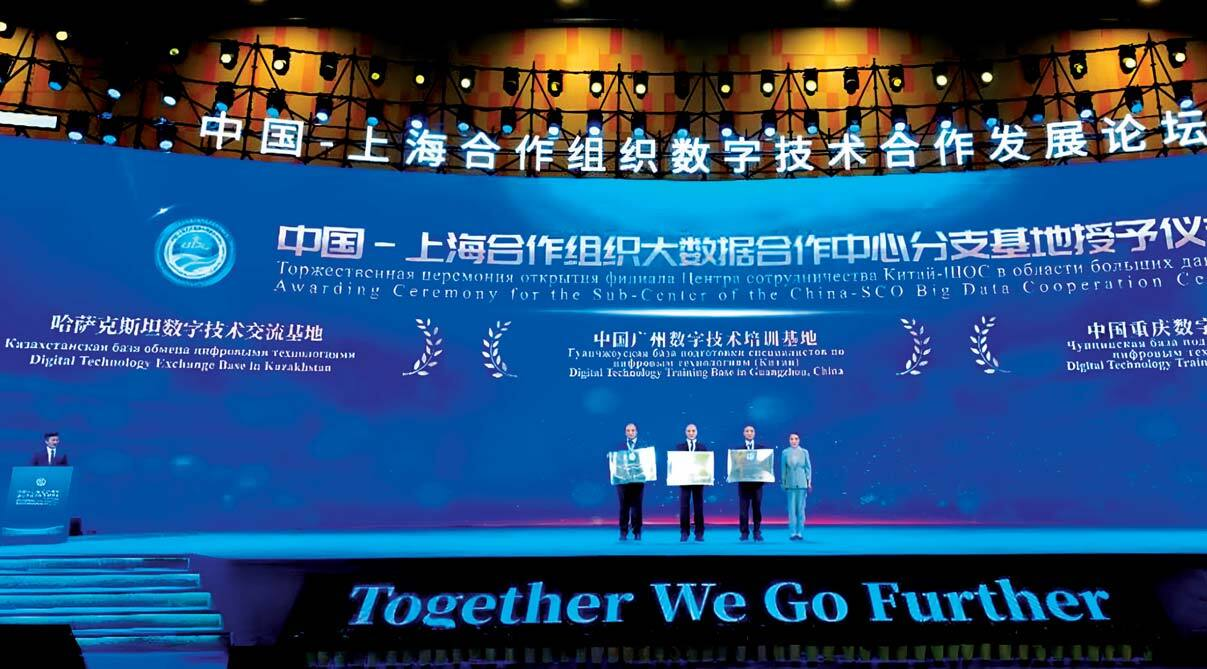
Permanent mechanisms are in place across trade, finance, investment, transport, agriculture, energy, and customs. Additionally, relatively new areas of cooperation within the SCO are being developed—digital economy, creative industries, standardisation, and antitrust regulation.
Transport and logistics are the backbone of SCO activities. One particularly promising project, designed to create a common transport network and cut costs, is the integration of the China–Kyrgyzstan– Uzbekistan railway line with the Trans-Afghan Corridor.
Under the decision of the Council of Heads of State of July 4, 2024, aimed at enhancing SCO activity, provisions have been made to streamline the work of the Council of Heads of Ministries and Agencies, as well as panel groups, adjusting the procedures for their establishment and operation, and introducing reporting practices on the decisions taken by the Council of Heads of State and the Council of Heads of Government. All of this serves a single purpose—to enhance the practical effectiveness of economic mechanisms and to strengthen coordination.
The SCO Consortium of Economic Analytical Centres, operational since 2019, provides significant expert support. It is evident that it requires further institutional development and a closer integration of the “second track” with the “first track” to harness expert capacity in the practical decision-making more effectively.
IMPROVING FINANCIAL ARCHITECTURE
Given the volatility of the global financial system, reliable and independent channels of settlement for the economic entities generating export-import flows have become particularly pressing.
National currencies in settlements among SCO members are steadily gaining ground. Initiatives under discussion include the issuing of joint bonds, the development of payment, settlement and depository infrastructure, and the creation of a bank of joint investment projects.
Following extensive consultations, a decision has been made to establish an SCO Development Bank. Its eventual launch could be a major step towards putting in place a dedicated financial mechanism capable of supporting infrastructure and innovation projects.
An SCO Investors Association has also been set up aimed at improving the investment climate and consolidating efforts to attract capital.
Taken together, these initiatives reflect a strategic course towards building a financial, economic, and investment space within the SCO that is less vulnerable to external factors.
TRANSPORT AND LOGISTICS CONNECTIVITY
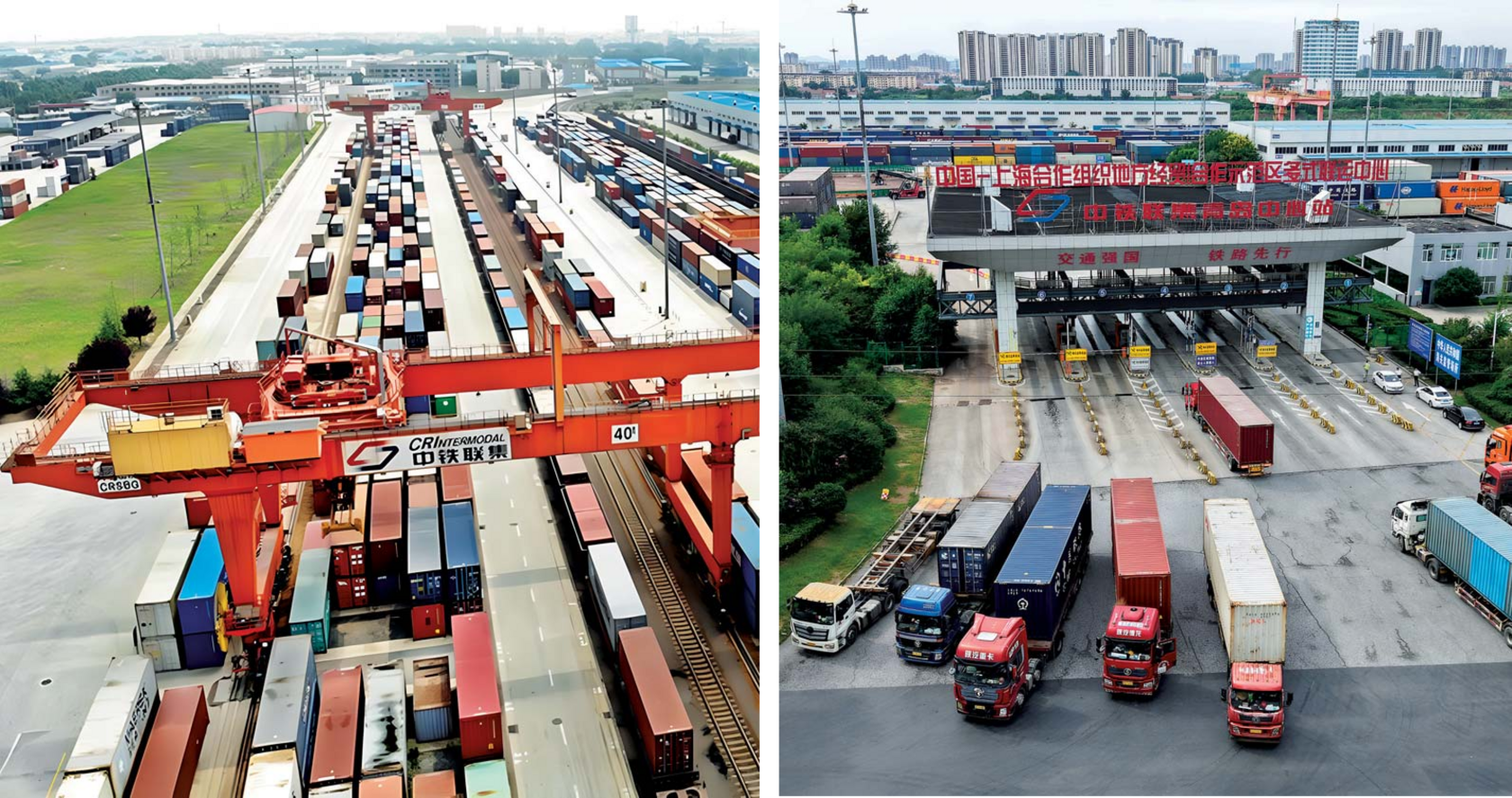
Given its vast geographical scope, transport and logistics form the backbone of the SCO’s economic agenda.
A cornerstone in this regard is the SCO Intergovernmental Agreement on Creating Favourable Conditions for International Road Transportation (September 12, 2014) developed with the support of the UNESCAP and the Asian Development Bank. It aims to harmonise procedures for international road transport across SCO member states.
Equally significant are the East– West and North–South corridors. A promising example is the planned integration of the China–Kyrgyzstan–Uzbekistan railway with the Trans-Afghan corridor. This would establish a common transport network across the SCO space, reducing costs substantially.
Cooperation among railway administrations is advancing steadily, a Concept for Cooperation in the Field of Port and Logistics Centre Development has been adopted, and work is underway on a digital platform for multimodal transport and a Concept for a Common Transport Space.
SECTORAL PRIORITIES AND BUSINESS HUBS
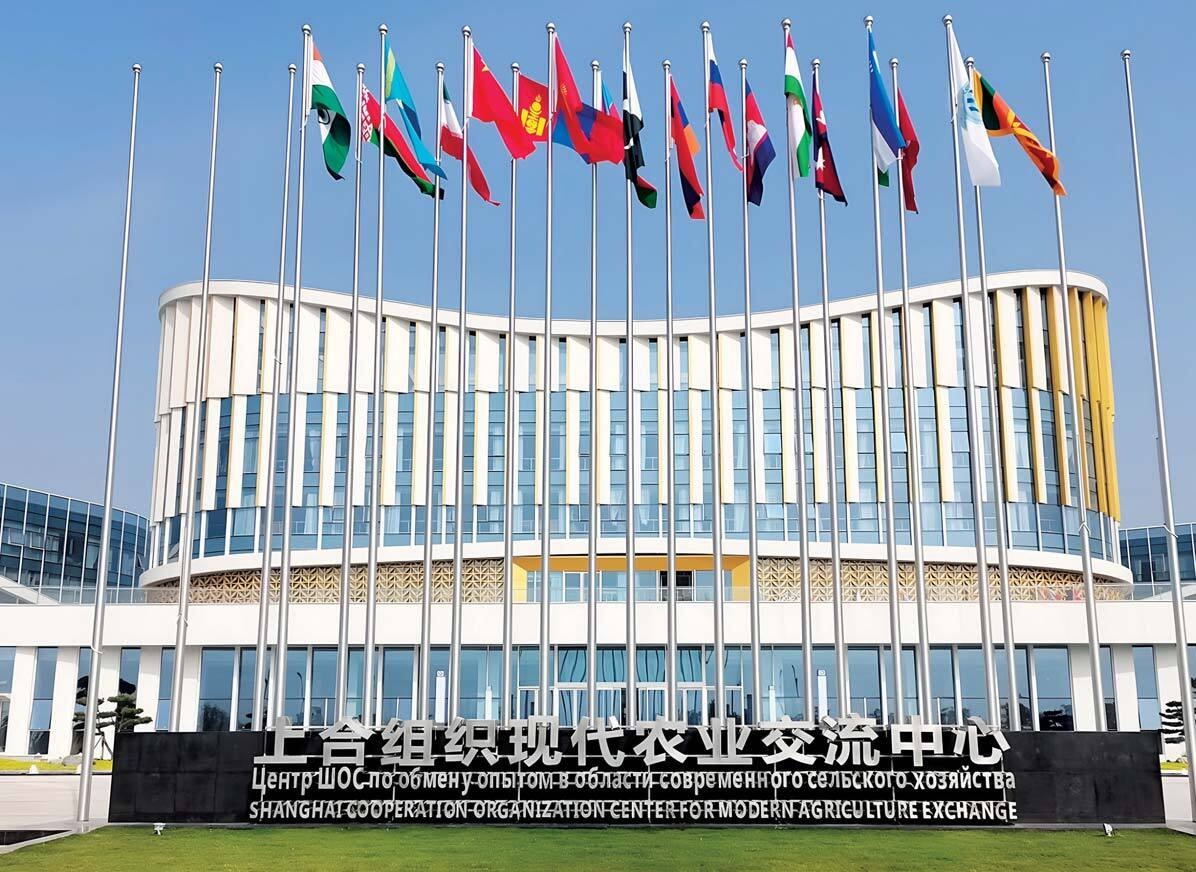
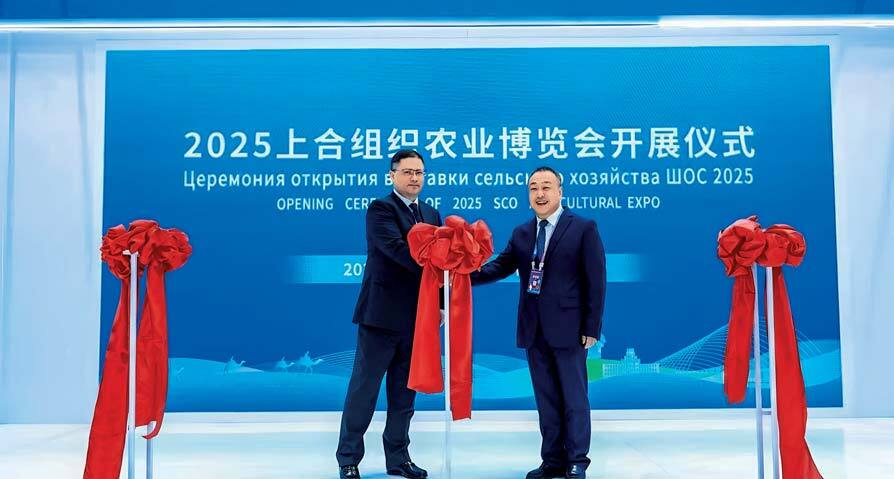
In agriculture, the SCO Demonstration Base for Agricultural Technology Exchange and Training, located in Yangling, China, has been established, and has already proven to be an effective mechanism for strengthening food security.
A key centre for business cooperation is the China–SCO Demonstration Zone in Qingdao. This platform covers trade, investment, finance, and digital technologies, fostering direct ties between the business communities of member states.
Energy cooperation and sustainable development remain strategic priorities, particularly in ensuring energy security and transitioning towards low-carbon growth models.
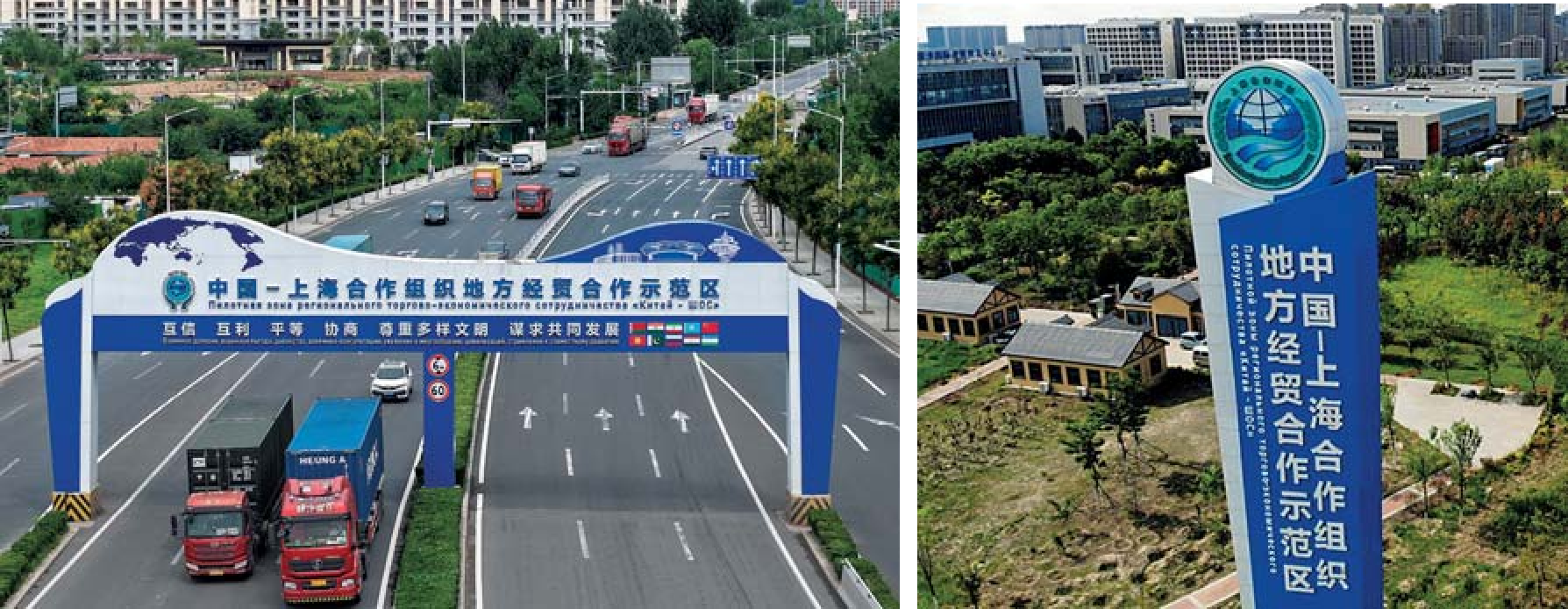
These are but a few of the areas of sectoral engagement.
CONCLUSION
Having begun as an association of states established with the specific purpose of ensuring regional stability, protecting borders and countering security threats during the difficult years of the 1990s, the SCO has, over a quarter of a century, expanded considerably—both geographically and functionally—evolving into a multifunctional transregional structure. Central to this has been the atmosphere of trust, mutual respect and equality cultivated over the years. It is through such dialogue that the rules and guidelines for cooperation among member states in areas of practical engagement are gradually being shaped. Ultimately, this serves to contribute to the prosperity of the nations and peoples of Eurasia.
It falls to the member states to determine the SCO’s future, it is for them to decide the path the SCO should take, including economy wise. Such a long-term roadmap is set out in the SCO Development Strategy until 2035, adopted by the leaders in Tianjin in September 2025. The text also notes that modern international relations are undergoing a profound change. It highlights sweeping technological progress and growing interdependence between states and a rebalancing of developmental potential, alongside the rising influence of the Global South and the increasing significance of new economic and political centres, opening up favourable opportunities for national development and equitable, mutually beneficial international cooperation.
With this strategic vision in mind, the SCO is set to continue to move forward.