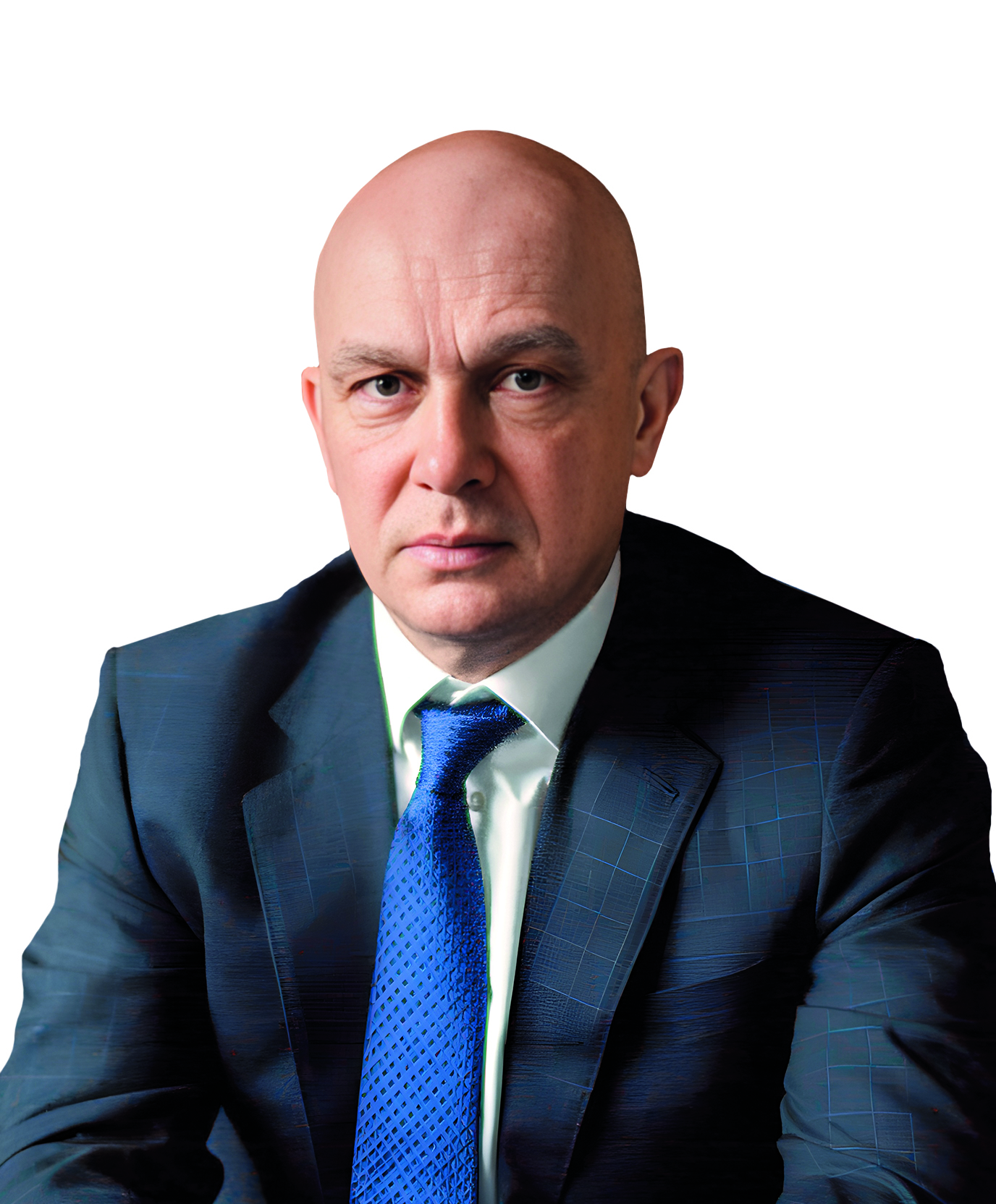
The International Economic Forum “Russia — Islamic World: KazanForum” stands as the ideal platform to show how Russia’s legal protection works, why its law is more flexible and reliable and the courts more independent.
– Eduard BUDANTSEV, Chairman of the “Diktatura Zakona” Bar Association, Honorary Lawyer of Russia
RUSSIAN JURISDICTION: INVESTOR CHOICE
The global economy is living through a rift. The usual rules of international trade, investment and dispute settlement—rules that the West built to suit itself—come crashing down. Western jurisdictions, until recently seen as the “gold standard” for capital protection, resort to political bias more and more often—assets seized on farfetched grounds, justice denied to companies from “unfriendly” nations, and courts used as a tool of economic coercion. An investor, particularly from the Global South (Asia, the Middle East, Africa), now faces a stark choice: where to invest so that one does not become a hostage to someone else’s political game?
It is this issue that constitutes the main challenge of our time, and the Russian jurisdiction offers a systematic response. But words alone are not enough. One should show how exactly protection mechanisms work, why the Russian law is more flexible and more reliable, and why Russian courts are more independent. And the best platform, in this regard, is one that brings together different legal families—from Eurasia, the Middle East, and Asia—not just politicians or economists.
Over the years, the International Economic Forum “Russia — Islamic World: KazanForum” has evolved into just such a unique “meeting point.” Here, in the capital of Tatarstan, legal traditions have historically intertwined: Russian civil law, Islamic legal thought, and Eurasian integration norms. The Republic of Tatarstan has become a pilot region for introducing Islamic banking and partnership financing. It is here—not in Western capitals—that the new rules of the game are discussed on an equal footing, ruling out colonial dictate. Therefore, KazanForum is the ideal platform to discuss why Russian jurisdiction is turning into an independent beacon for capital.
Unfortunately, one sometimes sees cases where foreign investors, pressured by stereotypes, shy away from Russian jurisdiction. In this article, we shall outline concrete, working advantages of Russian law and Russian courts: freedom of contract, the speed of justice, constitutional sovereignty, and adaptation to Islamic finance. And we shall explain why, today, Russian jurisdiction is not merely a backup plan but rather a beacon in the emerging multipolar legal landscape.
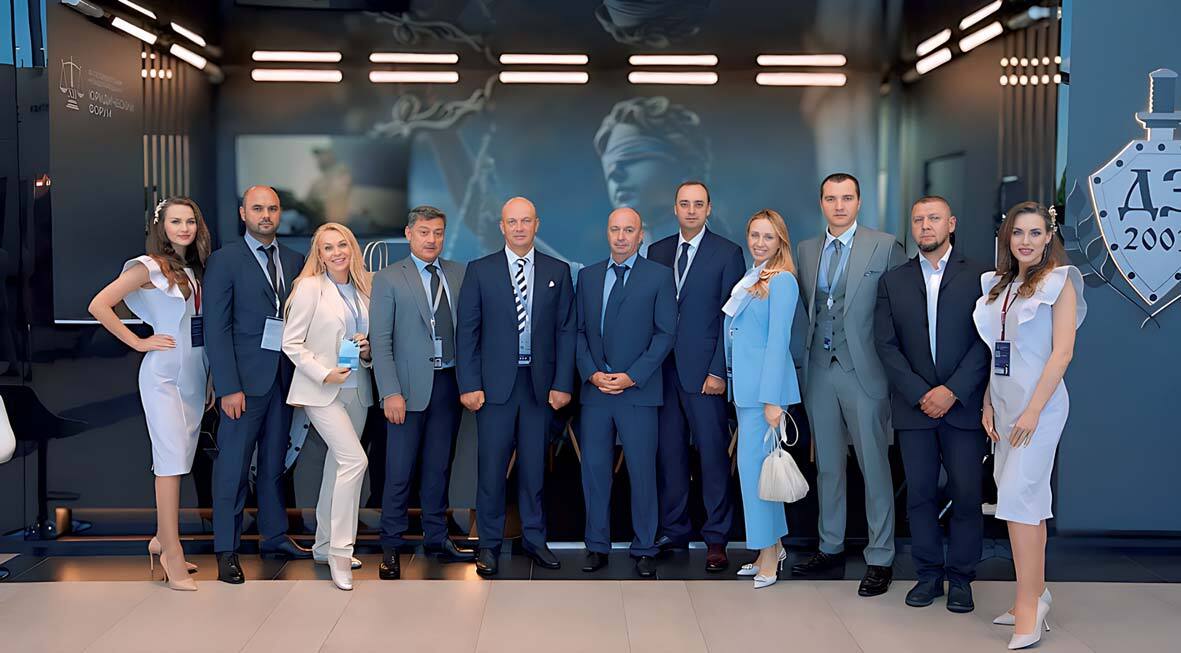
Russia has concluded international treaties on legal assistance and legal relations with 196 countries; cooperation is focused on relations with jurisdictions where reciprocity is respected and political pressure outlawed.
STRENGTHS OF RUSSIAN LAW
For many years, Russian law was presumed to be excessively rigid. The reform of the Civil Code—to a large extent completed around 2015— changed that perception. Legislature set out the principle of maximum freedom of contract for non-public companies, and business gained the right to structure corporate relations according to its own needs.
The core element of the reform is the corporate agreement (Article 67.2 of the Civil Code). Business participants may stipulate any terms therein: governance arrangements, profit distribution, mechanisms for entering capital or withdrawing. Russian courts recognise such agreements and enforce them. For an investor from a country where the principle “agreements must be kept” (pacta sunt servanda) carries cultural and religious weight this is of critical importance.
A more recent achievement is the electronic justice system. The “My Arbitr” and the Commercial Case File Database allow to track any changes in the case, minimising the human factor and room for abuse. State commercial courts operate efficiently, with the time taken to hear cases being considerably shorter than in, say, Western jurisdictions.
Court hearings can be attended from any part of the world—from an office in Dubai or a villa by the oceanside. The same goes for reviewing case materials, filing documents and receiving court rulings—no long queues, no physical presence, and no dependence on a court’s working hours. For the international investor, this means that geography no longer stands in the way of protecting one’s rights. Also of no small importance is the political neutrality of Russian justice.
All the while, our country has not turned its back on international judicial cooperation. Russia is a party to international treaties on legal assistance and legal relations in civil, family, criminal and other matters with no fewer than 196 countries. Today, cooperation is focused on relations with friendly and neutral jurisdictions where reciprocity is respected and political pressure is outlawed.
When it comes to the direct costs of litigation, the Russian jurisdiction wins hands down—both in terms of court fees and those charged by lawyers, markedly lower than in many leading jurisdictions, yet maintaining the highest global standards.
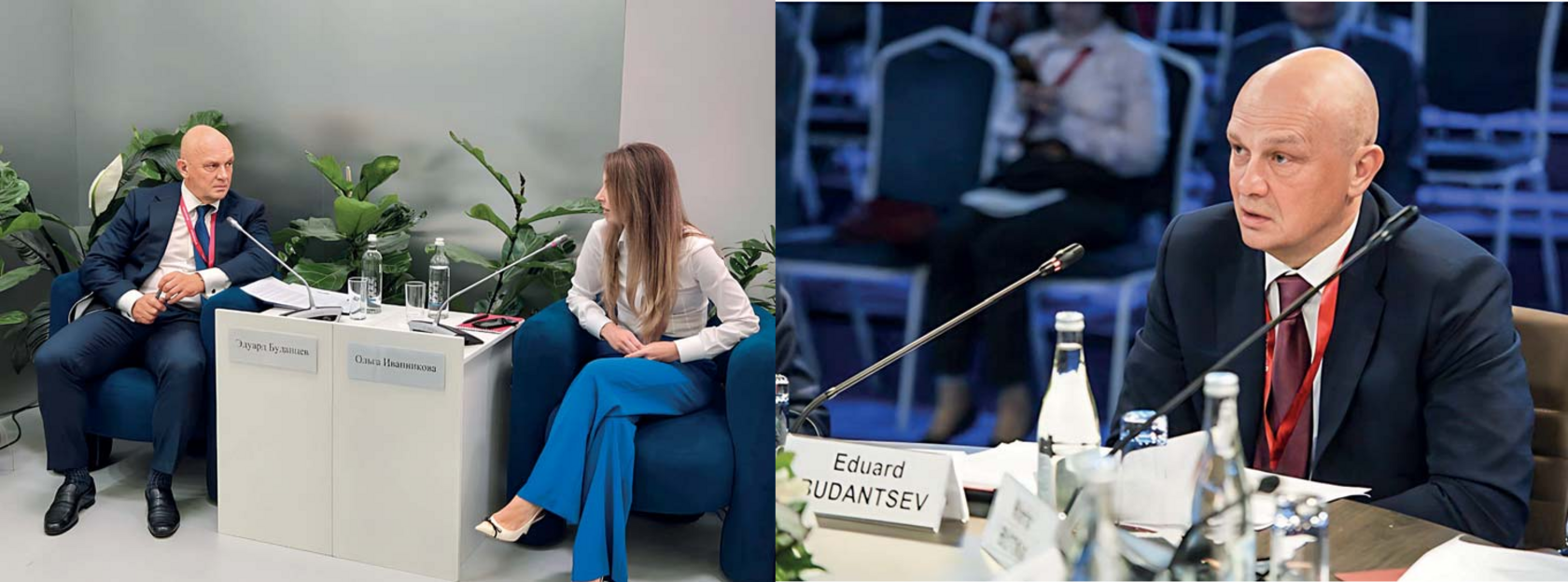
INTERNATIONAL NORMS AND RUSSIAN LAW: TO STRIKE BALANCE
A key mechanism for protecting investors is enshrined in the Constitution of the Russian Federation. Article 79 as amended in 2020 provides that decisions of international bodies (the European Court of Human Rights, for instance) contradicting the Basic Law are not to be enforced in the country. Federal Law No. 419 FZ builds on this provision, introducing amendments to the procedural codes. The Code of Criminal Procedure has been supplemented with a stipulation: the rules of international treaties shall not apply where their interpretation would run counter to the Constitution. Similar provisions are seen in the Civil Procedure and the Commercial Procedure Codes. Thus, a legal mechanism has been created for resolving conflicts in favour of the domestic legal order with the Constitutional Court playing a mandatory role, delivering the final ruling on actionability.
Russian courts refuse to recognise and enforce foreign judgments where enforcement would violate the very foundations of the Russian legal order.
For a foreign investor who has placed his funds in Russia this means he can be sure that his assets will not be frozen by a politically motivated decision of some London, New York or any other court. What is more, bilateral legal assistance agreements with a number of countries provide direct and predictable channels for the mutual recognition of judgments. And Russian courts stand ready to hear complex disputes, including those involving Islamic finance and partnership-based investments.
ISLAMIC FINANCE AND RUSSIAN LAW
From September 1, 2023, to September 1, 2028, Tatarstan, Bashkortostan, Chechnya and Dagestan have introduced an experimental regime for partnership-based financing—Islamic banking. Russian organisations have been granted the right to offer Shariah compliant products, including Murabaha, Ijara, Musharaka, and Sukuk. These tools rule out interest, excessive uncertainty and investment in prohibited sectors. Accordingly, Russian courts stand ready to uphold such transactions.
Thus, Russia is emerging as a particularly attractive jurisdiction for investors from the Islamic world.
TAX SOVEREIGNTY: RUSSIA CHEAPER THAN EUROPE AND MORE PREDICTABLE THAN OFFSHORE JURISDICTIONS
When choosing a jurisdiction, an investor always looks at three figures: the corporate profit tax rate, the dividend tax rate, and the administrative burden of reporting. And here, Russia has arguments that shatter the stereotype of a “harsh fiscal climate.” Unlike Western countries, where tax rates can shift with the political winds, Russia’s tax system remains an island of stability—the main rates are enshrined in the Tax Code, while the Supreme Court consistently reins in any attempts by the tax authorities to interpret the law expansively.
As the Chairman of the Supreme Court of the Russian Federation, Igor Krasnov, noted: “Russian justice—tax disputes included—follows the principle of forum regit processum which means that all matters of procedure are governed by the law of the forum.” For the investor this means that their tax audit will not be used for pressuring.
For companies entering the Russian market, its tax system offers dozens of targeted business support instruments, tailored to industry, scale, and location.
Russia is no offshore, but it does offer a legal, predictable and competitive fiscal environment. It looks particularly advantageous for investors from countries with high taxes or unstable fiscal regimes.
NEW COMPANY IN A DAY: DIGITAL REGISTRATION AND ADMINISTRATIVE CLARITY
One of the main barriers to entering a new jurisdiction is the time and complexity involved in registering a legal entity. In Europe or the United States, setting up a company with a bank account can take weeks or even months. In Russia, it now takes one to three working days. What is more, it can all be done remotely, with no need for physical presence.
Another advantage of running business in Russia is that investors are not personally liable for company debts with their own assets. The maximum risk an investor can encounter is the loss of the value of the equity stake. Their house, car, family savings, overseas accounts—all remain safe.
In Singapore, registration plus a bank account will set you back at least USD 300 and take one to two weeks; in the UAE, from USD 1,500 and up to a month; in the United Kingdom, around ten days, plus agent fees. And yet nowhere else is the procedure for a non-resident as simple and cheap as in Russia. Here, an investor from Asia or the Middle East can fly in on a Monday and start payment transactions from Thursday—with no red tape, no mandatory office, and no fear for their personal assets.
The speed of justice and that of registration are two sides of one coin. The Russian jurisdiction today is not a bureaucratic maze but a digital highway for capital.
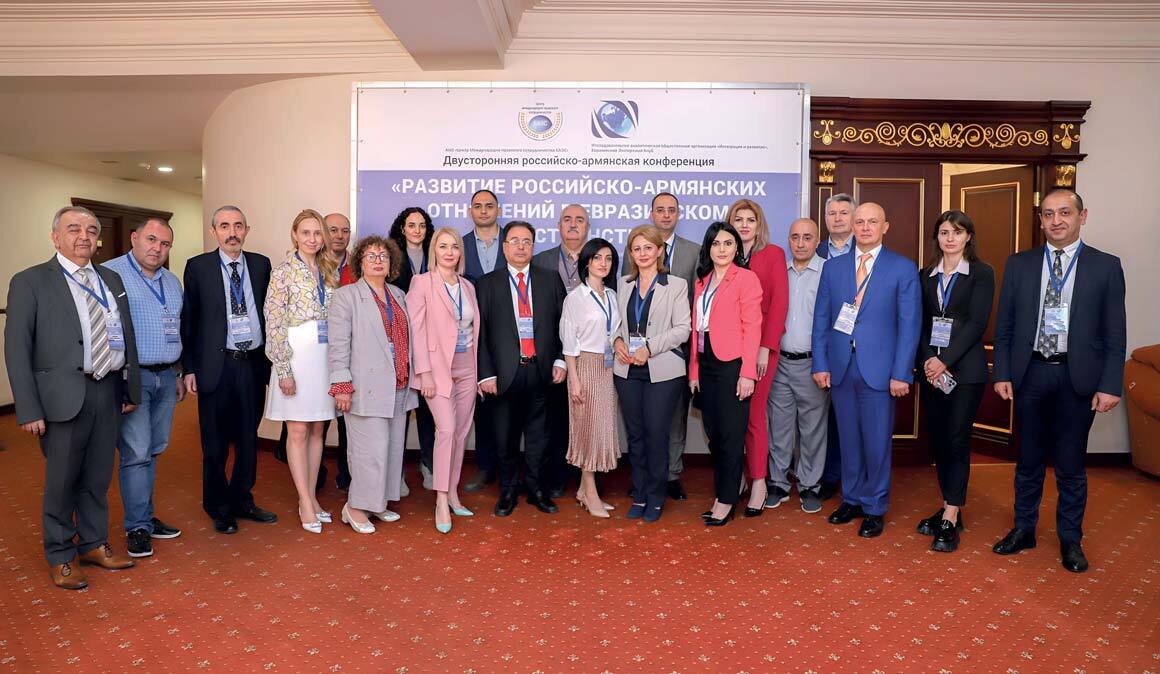
CRIMINAL LAW SHIELD: RUSSIAN LIBERALISED LAWS FOR BUSINESS
The single biggest fear of any foreign investor is falling subject to criminal prosecution on economic grounds. In Western jurisdictions, this is known as lawfare. In Russia, the past five years have witnessed a quiet yet profound liberalisation of criminal legislation in entrepreneurship.
In fact, a special legal regime for business within the criminal process has now taken shape. This is not a privilege, but rather an acknowledgement that entrepreneurship requires particular protection against unjustified pressure.
What the investor receives is not merely general guarantees, but the status of an “entrepreneur in criminal proceedings”—complete with special rules that render any prosecution economically motivated rather than political.
PROFESSIONAL LEGAL SUPPORT: KEY TO INVESTMENT APPEAL
Any jurisdiction—even one with the most sophisticated laws—is little more than a set of rules in the absence of a professional community capable of putting them into practice. An investor’s success in Russia, as in any other country, hinges directly on who is handling the transaction, acting as legal counsel, and presenting their interests before courts, law enforcement bodies and other state authorities.
A case in point is the “Diktatura Zakona” Bar Association. For over 20 years, its work has borne witness to the high professionalism of Russia’s legal community. Its staff are highly qualified, rich with experience, academic degrees and titles, as well as a track record in law enforcement and other state bodies. Leading expertise in corporate, criminal, civil and tax law—coupled with activity not only at the head office in Moscow but also at regional branches in St. Petersburg, Krasnodar, Sochi, Vladivostok—guarantees uniform quality standards and consistent results for clients across Russia.
Thus, the “Diktatura Zakona” Bar Association can serve as a true gateway for investors and entrepreneurs from the Islamic world entering the Russian jurisdiction— ensuring their legal security, the integrity of their transactions, the proper structuring of their business and relations with state authorities under Russian law.