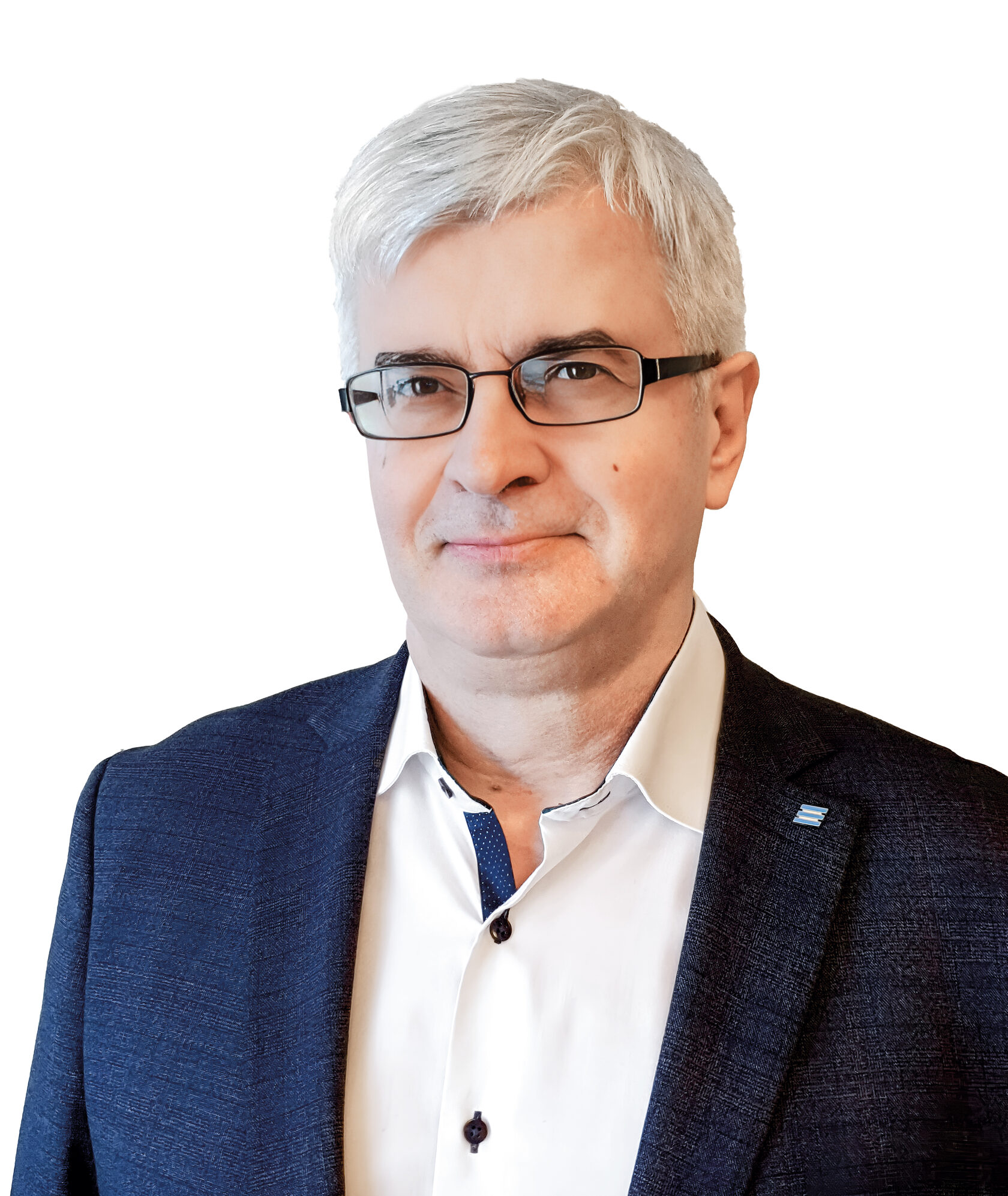
APEC’S ACTIVITIES, FOCUSED SOLELY ON THE ECONOMIC AGENDA, INVOLVE GOVERNMENT AND BUSINESS IN A SUSTAINED DIALOGUE, WITH THE APEC BUSINESS ADVISORY COUNCIL AT ITS CORE.
– Igor ANDRYUSHCHENKO, Head of Department of External Relations, Research and Analysis, senior vice-president at VTB Bank CEO and Chairman’s Office, ABAC Russia Alternate Member
APEC BUSINESS ADVISORY COUNCIL: ADDRESSING EMERGING CHALLENGES OF A MULTIPOLAR WORLD
The Asia-Pacific Economic Cooperation (APEC) Forum is a high-level dialogue framework established in 1989 to foster economic integration, trade, and growth in the AsiaPacific region. To this day, it remains perhaps the only platform enabling full East-West engagement in dialogue on trade, investment, digitalisation, and sustainability on the basis of consensus and, crucially, a non-politicised agenda.
The Foreign Ministry of China, serving as APEC Chair for 2026, describes the Forum as the “highest-level mechanism of economic cooperation” with broad capabilities and influence across the Asia-Pacific. We share this assessment entirely.
As of today, APEC includes 21 members: Australia, Brunei Darussalam, Canada, China, Chile, Chinese Taipei, Hong Kong (China), Indonesia, Japan, Malaysia, Mexico, New Zealand, Papua New Guinea, Peru, Russia, Singapore, Korea, the Philippines, Thailand, the USA, Viet Nam.
Given that some of APEC members have special legal statuses, participants participants are conventionally referred to as “economies,” rather than “states” or “countries.” Forthesamereason,statesymbols are rarely used within APEC—with one exception: the presiding economy may incorporate distinctive national elements into its logo.
The Foreign Ministry of China, serving as APEC Chair for 2026, describes the Forum as the “highest-level mechanism of economic cooperation” with broad capabilities and influence across the Asia-Pacific. We share this assessment entirely.
As of today, APEC includes 21 members: Australia, Brunei Darussalam, Canada, China, Chile, Chinese Taipei, Hong Kong (China), Indonesia, Japan, Malaysia, Mexico, New Zealand, Papua New Guinea, Peru, Russia, Singapore, Korea, the Philippines, Thailand, the USA, Viet Nam.
Given that some of APEC members have special legal statuses, participants participants are conventionally referred to as “economies,” rather than “states” or “countries.” Forthesamereason,statesymbols are rarely used within APEC—with one exception: the presiding economy may incorporate distinctive national elements into its logo.
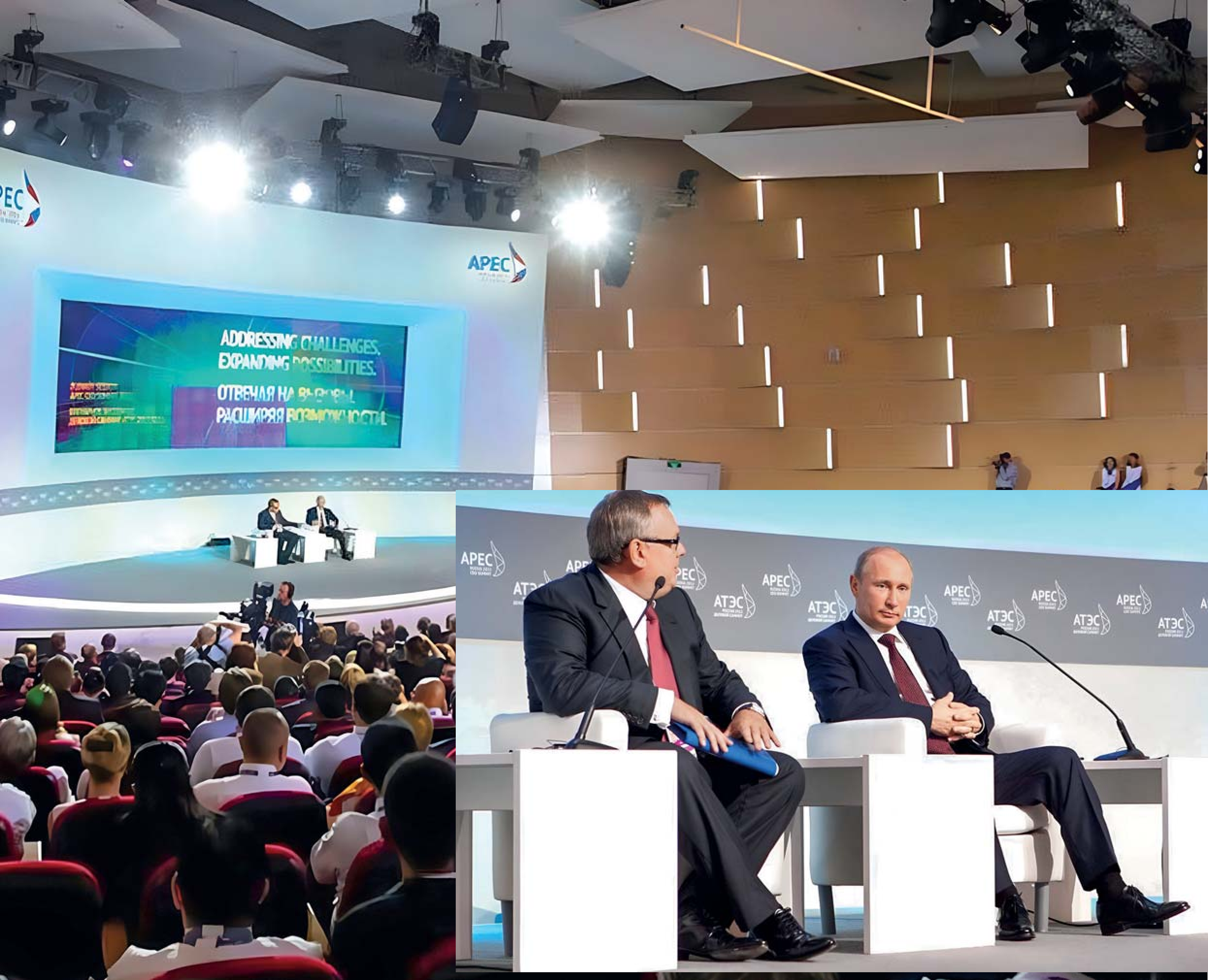
Focusing exclusively on an economic agenda, the forum provides for effective collaboration and ongoing dialogue between government bodies and the business community.
The APEC Business Advisory Council (ABAC), established in 1995, has become a key instrument facilitating this dialogue. Its recommendations shape the development of APEC’s programmes and action plans, ensuring that the interests of business are taken into account by governments and regulatory bodies.
It would be no exaggeration to describe ABAC as a bridge between government and business across the region. Its cohesive stance serves as a“businesscompass”forAPEC,bridging political initiatives and the real world needs of economic actors. It is both an “incubator of ideas”—where the best concepts are translated into large-scale government projects—and an engine that turns entrepreneurial ambitions into tangible outcomes.
Business representatives, assigned by their economies’ leaderships and united within ABAC, not only represent their respective companies but also advocate for the broader domestic and regional business community.
ABAC adopts an interests-based approach to discussions, prioritising collective benefits over individual corporate agendas. This approach alignswiththeoverarchinggoalof advancing the success of domestic businesses across the region.
ABAC members enjoy, say the least, a unique privilege—the opportunity to engage in direct dialogue with APEC Economic Leaders during summits.
ABAC currently comprises 60 active members—a veritable regional “dream team” of entrepreneurs. Membership includes not only banking and industrial giants but also SMEs, particularly from smaller economies.
The appointment of ABAC members is the prerogative of the leadership of each participating economy, not subject to consultation with the APEC Secretariat or ABAC. Russia’s representatives are appointed by decree of the Russian President. Its current version—No. 259-рп of August 22, 2024—sets out the membership for the 2025–2027.
Under this decree, Russia is represented in ABAC by the leaders of three leading Russian companies: Andrey Kostin (Chairman and CEO, VTB Bank PJSC), Kirill Dmitriev (CEO, JSC “Management Company of the Russian Direct Investment Fund”), Oleg Deripaska (Chairman of the Supervisory Board, “Basic Element” Company plc.).
VTB Bank has participated in ABAC since 2004, with this engagement forming an important element of the Bank’s international positioning.
As it is known, VTB Bank has historically been the most internationally represented Russian bank. Over the years, it has operated—and/or continues to operate—in several APEC markets. Alongside Russia, it has extensive expertise encompassing six of the 21 APEC economies.
To date, VTB is the only Russian bank to operate a full-service branch in China and a joint venture bank in Viet Nam—an arrangement that enables it to make a substantial contribution to Russia’s trade and economic cooperation with these and other regional partners, including in providing financial backing for foreign trade and investment activities of Russian public and private sector entities across the Asia-Pacific.
This, in turn, allows VTB to actively engage in ABAC discussions and monitor its work on the financial track—with the goal of safeguarding the interests of Russia and its business community.
Throughout the year, ABAC carries out an extensive programme of projects, resulting in a number of documents. The cornerstone of this output is the annual public ABAC Report to APEC Economic Leaders, published shortly before the summits.
In 2025 alone, ABAC delivered over 50 initiatives across five priority areas: regional economic integration, sustainability, healthcare and biotechnology, AI and digital innovation, finance and economics. To support these efforts, in addition to the four scheduled ABAC meetings mandated by its regulations, 20 intersessional events were organised—more than half of them on the financial track, through the Asia Pacific Financial Forum (APFF).
The outcomes of these projects provided ground for consensus-driven ABAC documents and publications—most notably: the ABAC Report to APEC Economic Leaders, nine ABAC letters to APEC ministerial meetings, a statement on open markets, a voluntary declaration on sustainable AI infrastructure, and three reports—on the new services agenda, equal pay, and powering data centres.
Among the 2025 highlights were advancement of ABAC’s Voluntary Carbon Markets Pathfinder Initiative and the initiative for establishment of the APEC Centre of Excellence on Paperless Trade (ACCEPT).
ABAC’s interests extend well beyond the APEC region and include monitoring trends that shape international trade, technology, and sustainable development globally.
One of the most pressing items in last year’s ABAC Report to APEC Economic Leaders was the business community’s deep concern over the impact of current policy changes on the institutions and stability of the global financial system—to quote directly—that “undermine its capability to remain a foundational element to global peace and prosperity.” Of course, due to requirements for consensus, which inevitably affect the final wording, some ABAC’s statements can at times appear restrained. Yet it must be understood that behind them lies unanimous support from business across all APEC economies— which is truly invaluable.
Undoubtedly, the global events of 2025 and early 2026 can be expected to continue influencing ABAC’s work. Today, we are witnessing a complex crisis, one that encompasses political, economic, and military dimensions. Whether APEC participants will sustain meaningful dialogue under these pressures—and how this will impact the Forum’s viability—yet remains to be seen.
With that said, let me refer again to the ABAC agenda and briefly outline the plans for 2026.
The APEC Business Advisory Council (ABAC), established in 1995, has become a key instrument facilitating this dialogue. Its recommendations shape the development of APEC’s programmes and action plans, ensuring that the interests of business are taken into account by governments and regulatory bodies.
It would be no exaggeration to describe ABAC as a bridge between government and business across the region. Its cohesive stance serves as a“businesscompass”forAPEC,bridging political initiatives and the real world needs of economic actors. It is both an “incubator of ideas”—where the best concepts are translated into large-scale government projects—and an engine that turns entrepreneurial ambitions into tangible outcomes.
Business representatives, assigned by their economies’ leaderships and united within ABAC, not only represent their respective companies but also advocate for the broader domestic and regional business community.
ABAC adopts an interests-based approach to discussions, prioritising collective benefits over individual corporate agendas. This approach alignswiththeoverarchinggoalof advancing the success of domestic businesses across the region.
ABAC members enjoy, say the least, a unique privilege—the opportunity to engage in direct dialogue with APEC Economic Leaders during summits.
ABAC currently comprises 60 active members—a veritable regional “dream team” of entrepreneurs. Membership includes not only banking and industrial giants but also SMEs, particularly from smaller economies.
The appointment of ABAC members is the prerogative of the leadership of each participating economy, not subject to consultation with the APEC Secretariat or ABAC. Russia’s representatives are appointed by decree of the Russian President. Its current version—No. 259-рп of August 22, 2024—sets out the membership for the 2025–2027.
Under this decree, Russia is represented in ABAC by the leaders of three leading Russian companies: Andrey Kostin (Chairman and CEO, VTB Bank PJSC), Kirill Dmitriev (CEO, JSC “Management Company of the Russian Direct Investment Fund”), Oleg Deripaska (Chairman of the Supervisory Board, “Basic Element” Company plc.).
VTB Bank has participated in ABAC since 2004, with this engagement forming an important element of the Bank’s international positioning.
As it is known, VTB Bank has historically been the most internationally represented Russian bank. Over the years, it has operated—and/or continues to operate—in several APEC markets. Alongside Russia, it has extensive expertise encompassing six of the 21 APEC economies.
To date, VTB is the only Russian bank to operate a full-service branch in China and a joint venture bank in Viet Nam—an arrangement that enables it to make a substantial contribution to Russia’s trade and economic cooperation with these and other regional partners, including in providing financial backing for foreign trade and investment activities of Russian public and private sector entities across the Asia-Pacific.
This, in turn, allows VTB to actively engage in ABAC discussions and monitor its work on the financial track—with the goal of safeguarding the interests of Russia and its business community.
Throughout the year, ABAC carries out an extensive programme of projects, resulting in a number of documents. The cornerstone of this output is the annual public ABAC Report to APEC Economic Leaders, published shortly before the summits.
In 2025 alone, ABAC delivered over 50 initiatives across five priority areas: regional economic integration, sustainability, healthcare and biotechnology, AI and digital innovation, finance and economics. To support these efforts, in addition to the four scheduled ABAC meetings mandated by its regulations, 20 intersessional events were organised—more than half of them on the financial track, through the Asia Pacific Financial Forum (APFF).
The outcomes of these projects provided ground for consensus-driven ABAC documents and publications—most notably: the ABAC Report to APEC Economic Leaders, nine ABAC letters to APEC ministerial meetings, a statement on open markets, a voluntary declaration on sustainable AI infrastructure, and three reports—on the new services agenda, equal pay, and powering data centres.
Among the 2025 highlights were advancement of ABAC’s Voluntary Carbon Markets Pathfinder Initiative and the initiative for establishment of the APEC Centre of Excellence on Paperless Trade (ACCEPT).
ABAC’s interests extend well beyond the APEC region and include monitoring trends that shape international trade, technology, and sustainable development globally.
One of the most pressing items in last year’s ABAC Report to APEC Economic Leaders was the business community’s deep concern over the impact of current policy changes on the institutions and stability of the global financial system—to quote directly—that “undermine its capability to remain a foundational element to global peace and prosperity.” Of course, due to requirements for consensus, which inevitably affect the final wording, some ABAC’s statements can at times appear restrained. Yet it must be understood that behind them lies unanimous support from business across all APEC economies— which is truly invaluable.
Undoubtedly, the global events of 2025 and early 2026 can be expected to continue influencing ABAC’s work. Today, we are witnessing a complex crisis, one that encompasses political, economic, and military dimensions. Whether APEC participants will sustain meaningful dialogue under these pressures—and how this will impact the Forum’s viability—yet remains to be seen.
With that said, let me refer again to the ABAC agenda and briefly outline the plans for 2026.
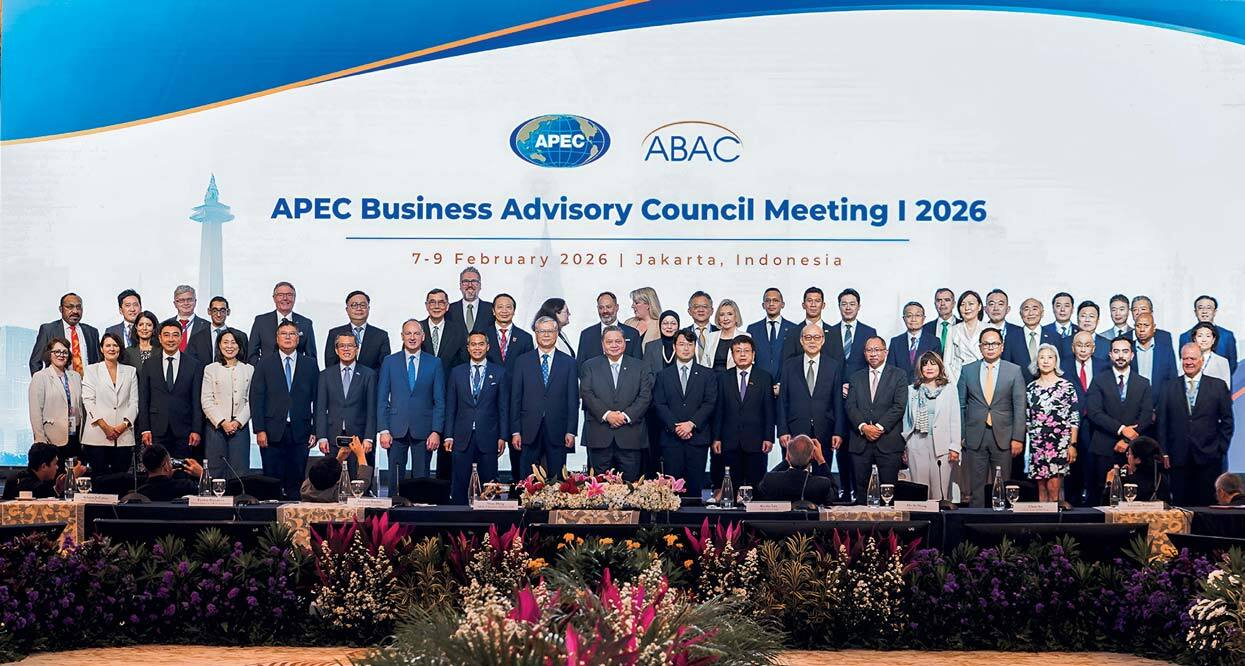
This year, ABAC has four working groups: regional economic integration, digital and innovation, sustainability, and a newly established working group on connectivity—interpreted in its broadest sense to encompass physical logistics, institutional linkages, and people-to-people exchanges and cooperation.
It should be noted that both the composition and thematic focus of ABAC’s working groups evolve annually, guided by the priorities of the presiding economy.
What about the financial track?
In 2026, Finance & Economics Working Group has been replaced by a Task Force with crosscutting functions. It engages in the activities and initiatives of all four ABAC working groups that incorporate a financial-economic dimension. This format is adopted in ABAC not every year and only for key cross-cutting themes.
Finance & Economics TF’s priorities are as follows: promoting regionally integrated digital trade finance, payment, settlement and clearing infrastructure; expanding private financing for regional resilience; financing transition to secure, efficient and clean energy systems; building ecosystems for expanded access to digital finance; supporting implementation of the Finance Ministers’ Incheon Plan.
In 2026, VTB Bank is leading an ABAC Russia project aimed at fostering an enabling environment for modern digital payments. This is expected to expand people-to-people contacts and boost SME engagement in foreign economic activity across the region. We anticipate that it will further diversify international settlement channels, including in the interests of Russian tourists and entrepreneurs.
Our colleagues—the Russian Direct Investment Fund (RDIF) and Basic Element—are implementing ABAC Russia projects based on their own corporate expertise, also with the goal of promoting Russian best practices and strategic approaches.
All the three Russian companies represented in ABAC maintain close working contacts with relevant Russian authorities, notably the Russian Foreign Ministry and the Ministry of Economic Development. While ABAC’s work is strictly separated from the policy positions of government bodies—that is crucial for non-politicised discussions—information sharing with ministries involved in APEC-related processes remains vital.
VTB Bank is committed to continuing its active participation in ABAC’s work, including during China’s 2026 APEC Host Year and Viet Nam’s 2027 Host Year, to ensure that Russia’s input in implementation of APEC goals is particularly significant and visible.
Ahead of us lies a significant period. As a Chinese proverb has it: “If hearts beat as one, even Mount Tai can be moved” (rén xīn qí, Tài shān yí). Yet let the mountains remain where they stand. Our mission—our business imperative—is to advance cooperation for the benefit of our economy and growth across the region. I am confident that, despite all challenges, we will succeed in this endeavour in the year ahead.
It should be noted that both the composition and thematic focus of ABAC’s working groups evolve annually, guided by the priorities of the presiding economy.
What about the financial track?
In 2026, Finance & Economics Working Group has been replaced by a Task Force with crosscutting functions. It engages in the activities and initiatives of all four ABAC working groups that incorporate a financial-economic dimension. This format is adopted in ABAC not every year and only for key cross-cutting themes.
Finance & Economics TF’s priorities are as follows: promoting regionally integrated digital trade finance, payment, settlement and clearing infrastructure; expanding private financing for regional resilience; financing transition to secure, efficient and clean energy systems; building ecosystems for expanded access to digital finance; supporting implementation of the Finance Ministers’ Incheon Plan.
In 2026, VTB Bank is leading an ABAC Russia project aimed at fostering an enabling environment for modern digital payments. This is expected to expand people-to-people contacts and boost SME engagement in foreign economic activity across the region. We anticipate that it will further diversify international settlement channels, including in the interests of Russian tourists and entrepreneurs.
Our colleagues—the Russian Direct Investment Fund (RDIF) and Basic Element—are implementing ABAC Russia projects based on their own corporate expertise, also with the goal of promoting Russian best practices and strategic approaches.
All the three Russian companies represented in ABAC maintain close working contacts with relevant Russian authorities, notably the Russian Foreign Ministry and the Ministry of Economic Development. While ABAC’s work is strictly separated from the policy positions of government bodies—that is crucial for non-politicised discussions—information sharing with ministries involved in APEC-related processes remains vital.
VTB Bank is committed to continuing its active participation in ABAC’s work, including during China’s 2026 APEC Host Year and Viet Nam’s 2027 Host Year, to ensure that Russia’s input in implementation of APEC goals is particularly significant and visible.
Ahead of us lies a significant period. As a Chinese proverb has it: “If hearts beat as one, even Mount Tai can be moved” (rén xīn qí, Tài shān yí). Yet let the mountains remain where they stand. Our mission—our business imperative—is to advance cooperation for the benefit of our economy and growth across the region. I am confident that, despite all challenges, we will succeed in this endeavour in the year ahead.