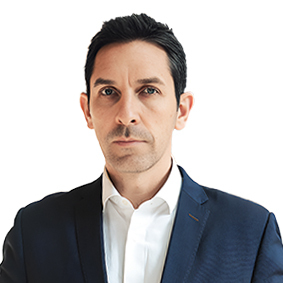
Artem Tsinamdzgvrishvili, Trade Representative of the Russian Federation to the Republic of the Philippines
As global economy shifts towards Asia and integration within ASEAN deepens, the
Republic of the Philippines is turning into as a major partner for Russia and the Eurasian
Economic Union (EAEU), positioning itself as a promising gateway to the Southeast
Asian market and a link for expanding EAEU business cooperation in the region.
As for Russia, bilateral relations between the two countries have been undergoing
a dynamic reset. Efforts are underway to strengthen the legal framework, expand
trade, and launch joint projects in energy, agriculture, pharmaceuticals, and digital
technologies.
TRADE AND INVESTMENT: NEW AVENUES FOR GROWTH
Mutual trade between Russia and the Philippines demonstrates steady business interest, despite all the ex ternal constraints. The key objective lies in diversifying the trade architec ture and removing mutual barriers to market entry.
During the Intergovernmental Commission meetings, both sides ex plored the following opportunities for sustainable trade growth:
Implementing these will help remove key barriers and create conditions conducive for sustainable growth in mutual trade turnover.
Mutual trade between Russia and the Philippines demonstrates steady business interest, despite all the ex ternal constraints. The key objective lies in diversifying the trade architec ture and removing mutual barriers to market entry.
During the Intergovernmental Commission meetings, both sides ex plored the following opportunities for sustainable trade growth:
- Reducing import tariffs on goods of mutual interest;
- Harmonising sanitary, phytosanitary, and veterinary requirements;
- Mutual recognition of national standards, including the GMP system;
- Digitalising and simplifying customs procedures.
Implementing these will help remove key barriers and create conditions conducive for sustainable growth in mutual trade turnover.
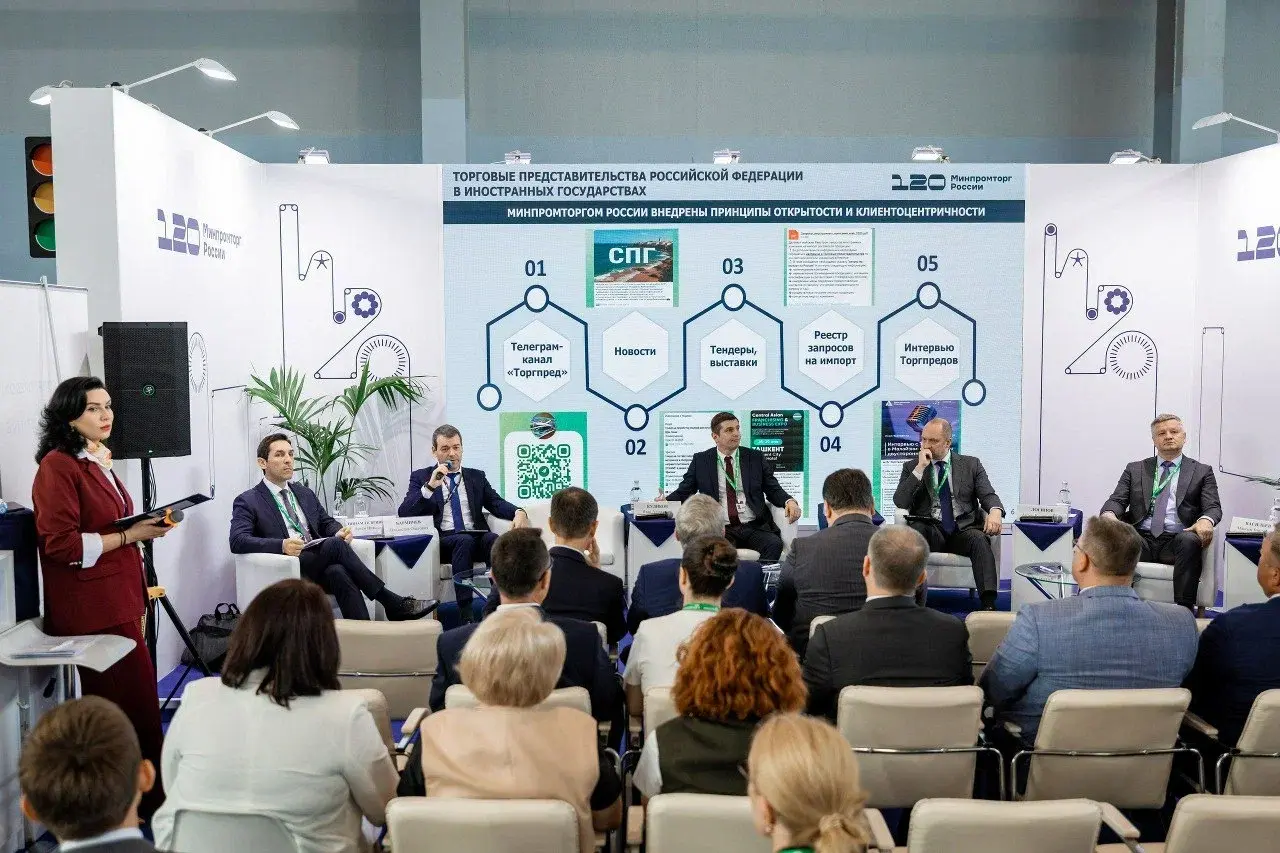
PRIORITY AREAS OF COOPERA TION ACROSS INDUSTRIES
According to the Trade Representation of the Russian Federation in the Philippines, the priority areas for bilateral cooperation remain energy, agriculture, pharmaceuticals, and digital technologies.
Energy
In recent years, Russia-Philippines cooperation in the energy sector has shown steady growth. With the support of the Russian Trade Repre sentation, business delegations have engaged with leading players in the Philippine energy market—including San Miguel, Aboitiz, Meralco, Prime Infra, First Gen, and others—as well as the Philippine Department of Energy.
Particular attention is being paid to the prospects for Russian companies to participate in programmes aimed at developing renewables, including the Green Energy Auction (GEA). Russian solutions in renew ables, energy storage systems, and digital grid technologies have gar nered interest from the Republic, which is actively pursuing a strategy to increase the share of green energy in its national energy balance.
Moreover, the Philippines has expressed keen interest in Russian supplies of liquefied natural gas (LNG) and Rosatom’s small modular reactors (SMR). Russian LNG could enhance energy security in the island regions and mitigate seasonal peak loads, while Russian SMRs are seen as a compet itive solution for decentralised energy systems, opening avenues for long-term technological cooperation. The prospects for collaboration span a broad spectrum—from renewables and nuclear energy to digital and in frastructure—all aimed at ensuring the sustainable development of the Philippines’ energy sector.
Agriculture
The Russian Trade Representation, together with Russia’s veterinary and phytosanitary watchdog Rosselk hoznadzor, is actively working to ex pand market access for Russian meat products in the Philippines. To date, 17 Russian enterprises have been accredited, restrictions on beef, poultry, and processed animal protein have been lifted, and the regionali sation procedure for pork has been completed.
The Philippines is one of the world’s largest importers of pork, with annual imports exceeding 1.3 million tonnes. In 2025, consumption is expected to reach 1.5 million tonnes in carcass weight.
Currently, Rosselkhoznadzor’s application to open the Philippine market for Russian pork is under review by the Philippine Department of Agriculture. Once the veterinary certificate is approved, pork exports can begin. This move will unlock a high-demand market for Russian producers, pave the way for long-term contracts and mark a vital step in expanding the presence of Russian meat in the country.
Leading Russian companies—Miratorg, Cherkizovo, Damate, Rusagro, and Resurs—have already show cased their products at WOFEX-2025, attracting significant interest from Philippine importers and distributors.
Beyond meat, Russian wheat and other grains remain a promising export opportunity, capable of strengthening the Philippines’ food security.
Pharmaceuticals
Supplies of Russian medical products and equipment to the Republic, including of the Sputnik V vaccine in 2021, have seen expensive growth in recent years. Between 2022 and 2024, a total of 13 Russian drugs—primarily anti-cancer and immuno modulators—were registered in the Philippines.
Ongoing inter-agency consultations between the Philippine Food and Drug Administration (FDA) under the Department of Health and Russia’s State Institute of Drugs and Good Practices seek to accelerate the registration procedures and mutually recognise GMP standards. This is expected to expand the presence of Russian manufacturers in the Philippines, including in supplies of radio active pharmaceuticals for cancer diagnosis and therapy.
Digital Technologies and Innovation
A milestone in Russia-Philippines technological cooperation was the signing of the MoU between the Skolkovo Foundation and the Philippine National Development Company (NDC) on September 17, 2025, on the sidelines of the Intergovernmental Commission.
This groundbreaking agree ment—the first intergovernmental text in high-tech—lays the foun dation for creating a permanent platform of interaction between the innovation ecosystems of both countries, as joint projects could generate up to $500 million over three years.
The Philippine Innovation Hub, currently in development, will serve as a gateway for Russian ICT companies to enter the Philippine market, promoting solutions in fintech, logistics, education, agritechnology, cybersecurity, and smart cities.
The Russian Trade Representation in the Philippines believes that this Skolkovo-NDC agreement marks the first systematic step toward estab lishing long-term cooperation mech anisms in digital economy and innovation between the two nations.
According to the Trade Representation of the Russian Federation in the Philippines, the priority areas for bilateral cooperation remain energy, agriculture, pharmaceuticals, and digital technologies.
Energy
In recent years, Russia-Philippines cooperation in the energy sector has shown steady growth. With the support of the Russian Trade Repre sentation, business delegations have engaged with leading players in the Philippine energy market—including San Miguel, Aboitiz, Meralco, Prime Infra, First Gen, and others—as well as the Philippine Department of Energy.
Particular attention is being paid to the prospects for Russian companies to participate in programmes aimed at developing renewables, including the Green Energy Auction (GEA). Russian solutions in renew ables, energy storage systems, and digital grid technologies have gar nered interest from the Republic, which is actively pursuing a strategy to increase the share of green energy in its national energy balance.
Moreover, the Philippines has expressed keen interest in Russian supplies of liquefied natural gas (LNG) and Rosatom’s small modular reactors (SMR). Russian LNG could enhance energy security in the island regions and mitigate seasonal peak loads, while Russian SMRs are seen as a compet itive solution for decentralised energy systems, opening avenues for long-term technological cooperation. The prospects for collaboration span a broad spectrum—from renewables and nuclear energy to digital and in frastructure—all aimed at ensuring the sustainable development of the Philippines’ energy sector.
Agriculture
The Russian Trade Representation, together with Russia’s veterinary and phytosanitary watchdog Rosselk hoznadzor, is actively working to ex pand market access for Russian meat products in the Philippines. To date, 17 Russian enterprises have been accredited, restrictions on beef, poultry, and processed animal protein have been lifted, and the regionali sation procedure for pork has been completed.
The Philippines is one of the world’s largest importers of pork, with annual imports exceeding 1.3 million tonnes. In 2025, consumption is expected to reach 1.5 million tonnes in carcass weight.
Currently, Rosselkhoznadzor’s application to open the Philippine market for Russian pork is under review by the Philippine Department of Agriculture. Once the veterinary certificate is approved, pork exports can begin. This move will unlock a high-demand market for Russian producers, pave the way for long-term contracts and mark a vital step in expanding the presence of Russian meat in the country.
Leading Russian companies—Miratorg, Cherkizovo, Damate, Rusagro, and Resurs—have already show cased their products at WOFEX-2025, attracting significant interest from Philippine importers and distributors.
Beyond meat, Russian wheat and other grains remain a promising export opportunity, capable of strengthening the Philippines’ food security.
Pharmaceuticals
Supplies of Russian medical products and equipment to the Republic, including of the Sputnik V vaccine in 2021, have seen expensive growth in recent years. Between 2022 and 2024, a total of 13 Russian drugs—primarily anti-cancer and immuno modulators—were registered in the Philippines.
Ongoing inter-agency consultations between the Philippine Food and Drug Administration (FDA) under the Department of Health and Russia’s State Institute of Drugs and Good Practices seek to accelerate the registration procedures and mutually recognise GMP standards. This is expected to expand the presence of Russian manufacturers in the Philippines, including in supplies of radio active pharmaceuticals for cancer diagnosis and therapy.
Digital Technologies and Innovation
A milestone in Russia-Philippines technological cooperation was the signing of the MoU between the Skolkovo Foundation and the Philippine National Development Company (NDC) on September 17, 2025, on the sidelines of the Intergovernmental Commission.
This groundbreaking agree ment—the first intergovernmental text in high-tech—lays the foun dation for creating a permanent platform of interaction between the innovation ecosystems of both countries, as joint projects could generate up to $500 million over three years.
The Philippine Innovation Hub, currently in development, will serve as a gateway for Russian ICT companies to enter the Philippine market, promoting solutions in fintech, logistics, education, agritechnology, cybersecurity, and smart cities.
The Russian Trade Representation in the Philippines believes that this Skolkovo-NDC agreement marks the first systematic step toward estab lishing long-term cooperation mech anisms in digital economy and innovation between the two nations.
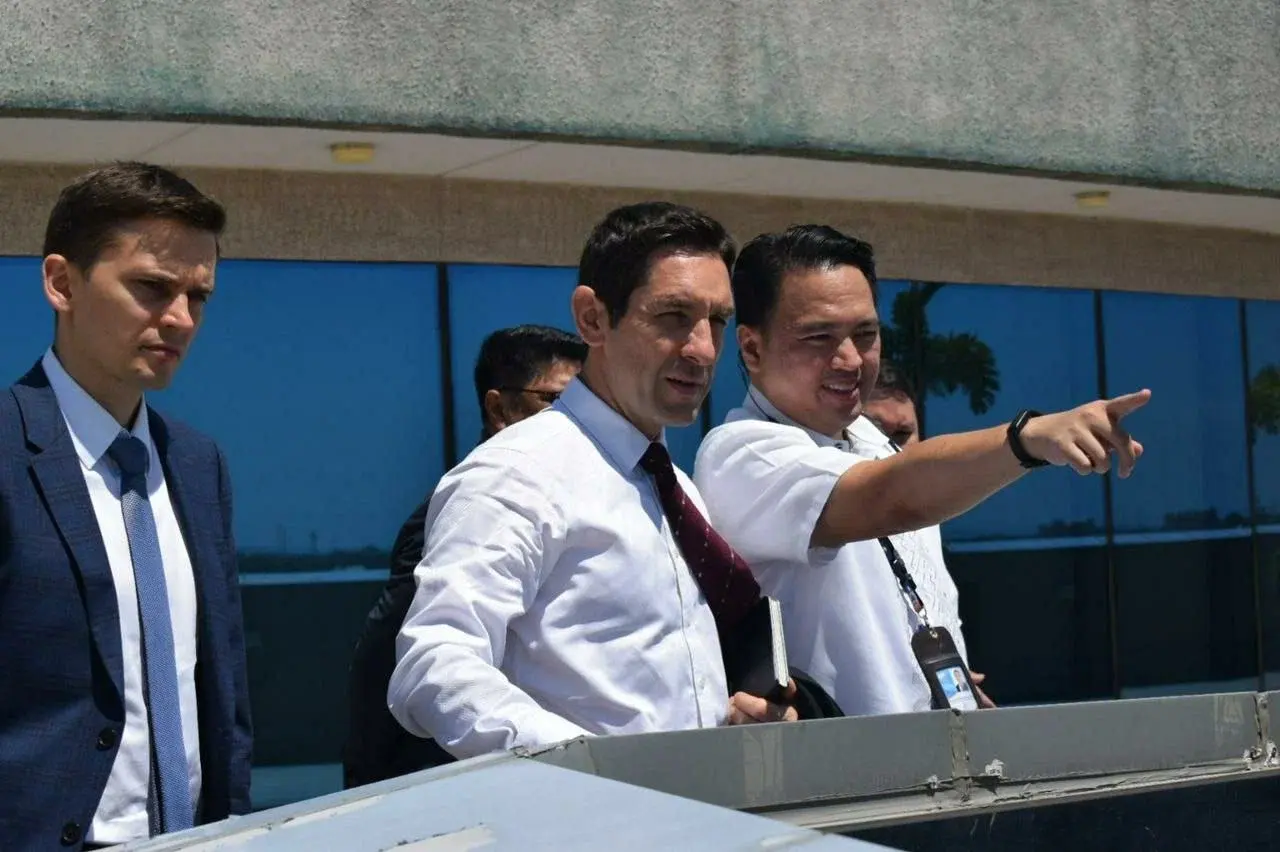
BUSINESS ENGAGEMENT AND REGULATION
For an effective market entry into the Philippines, the Trade Representation advises Russian companies to first seek local partners, distributors, or integrators already established in their target sector, who can provide access to sales channels, regulatory procedures, and key clients.
For companies planning deeper market penetration, product locali sation, or participation in public ten ders, establishing a local legal entity is advised.
The primary forms of presence in clude a local corporation with foreign ownership, a branch or a representa tive office. The minimum authorised capital is $200,000 (or $100,000 if the company introduces technologies or employs 15 or more Filipinos).
Foreign ownership is permitted up to 100% in most sectors. Restric tions apply to specific areas, such as media, retail pharmacy, legal services, and small-scale retail. After registra tion with the Securities and Exchange Commission (SEC), the company must complete tax registration and obtain a business licence (Mayor’s Permit).
For high-tech and export-oriented projects, special economic zones offer tax and customs incentives, ex pedited licensing, and simplified em ployment of foreign specialists.
Depending on the type of activity, coordination with key agencies is required, including the Food and Drug Administration (FDA) for pharmaceuticals, food, cosmetics, and medical devices; the Bureau of Philippine Standards (BPS) for industrial equipment; and the Department of Agriculture for veterinary and phytosanitary control.
For an effective market entry into the Philippines, the Trade Representation advises Russian companies to first seek local partners, distributors, or integrators already established in their target sector, who can provide access to sales channels, regulatory procedures, and key clients.
For companies planning deeper market penetration, product locali sation, or participation in public ten ders, establishing a local legal entity is advised.
The primary forms of presence in clude a local corporation with foreign ownership, a branch or a representa tive office. The minimum authorised capital is $200,000 (or $100,000 if the company introduces technologies or employs 15 or more Filipinos).
Foreign ownership is permitted up to 100% in most sectors. Restric tions apply to specific areas, such as media, retail pharmacy, legal services, and small-scale retail. After registra tion with the Securities and Exchange Commission (SEC), the company must complete tax registration and obtain a business licence (Mayor’s Permit).
For high-tech and export-oriented projects, special economic zones offer tax and customs incentives, ex pedited licensing, and simplified em ployment of foreign specialists.
Depending on the type of activity, coordination with key agencies is required, including the Food and Drug Administration (FDA) for pharmaceuticals, food, cosmetics, and medical devices; the Bureau of Philippine Standards (BPS) for industrial equipment; and the Department of Agriculture for veterinary and phytosanitary control.
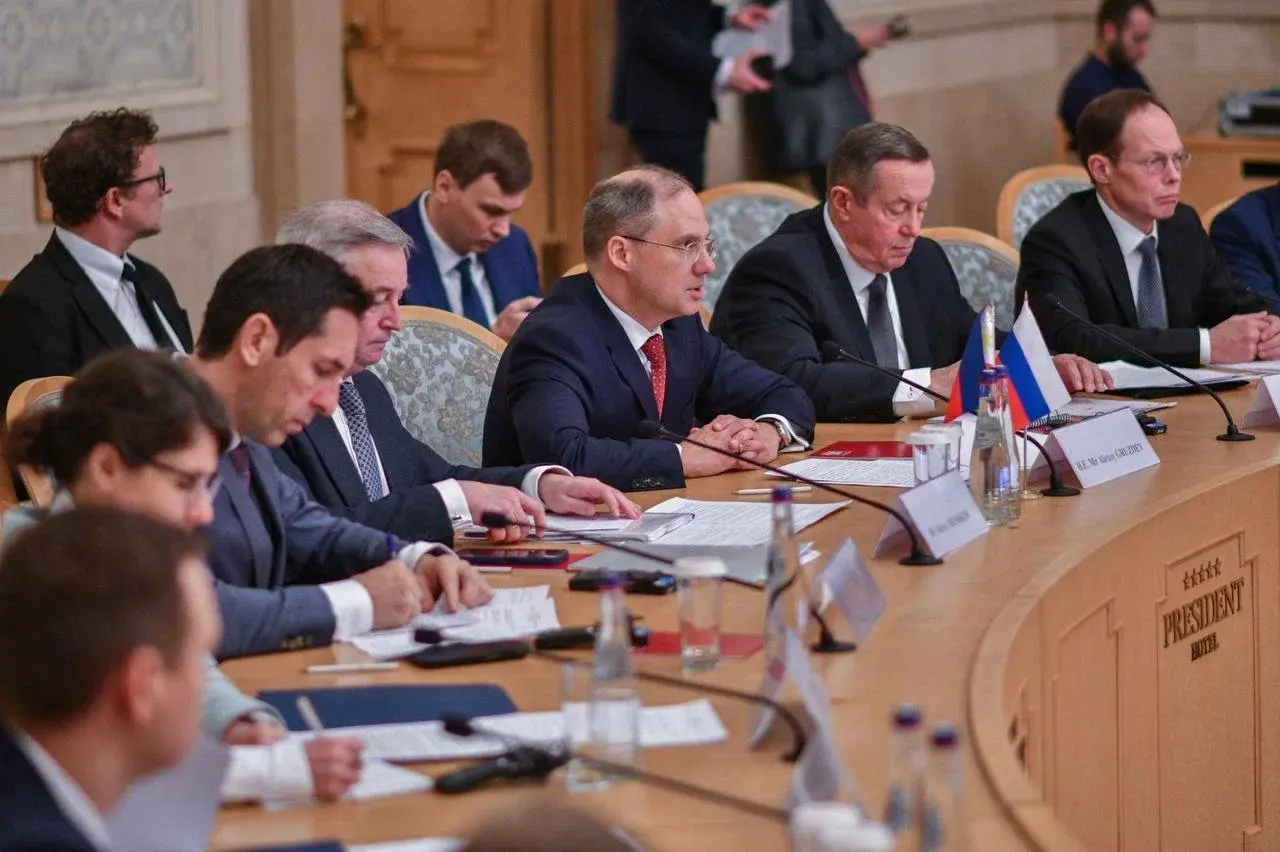
CONCLUSION
The year 2026 will mark the 50th an niversary of diplomatic relations be tween the Russian Federation and the Republic of the Philippines, agreed to coincide with the Philippines’ chairmanship of ASEAN, presenting a unique opportunity to broaden the economic dialogue and reinforce bi lateral cooperation.
The Philippines is becoming an increasingly significant player in Russia’s foreign economic relations with in the region. Its economic openness, strategic location, and strong demand for technological solutions position it as a natural partner for both Russia and the EAEU.
Consistent development of trade, investment, energy, and technological cooperation, together with direct payment mechanisms and the modernisation of legal frameworks, is poised to bring Russia-Philippines relations to a new level.
The year 2026 will mark the 50th an niversary of diplomatic relations be tween the Russian Federation and the Republic of the Philippines, agreed to coincide with the Philippines’ chairmanship of ASEAN, presenting a unique opportunity to broaden the economic dialogue and reinforce bi lateral cooperation.
The Philippines is becoming an increasingly significant player in Russia’s foreign economic relations with in the region. Its economic openness, strategic location, and strong demand for technological solutions position it as a natural partner for both Russia and the EAEU.
Consistent development of trade, investment, energy, and technological cooperation, together with direct payment mechanisms and the modernisation of legal frameworks, is poised to bring Russia-Philippines relations to a new level.