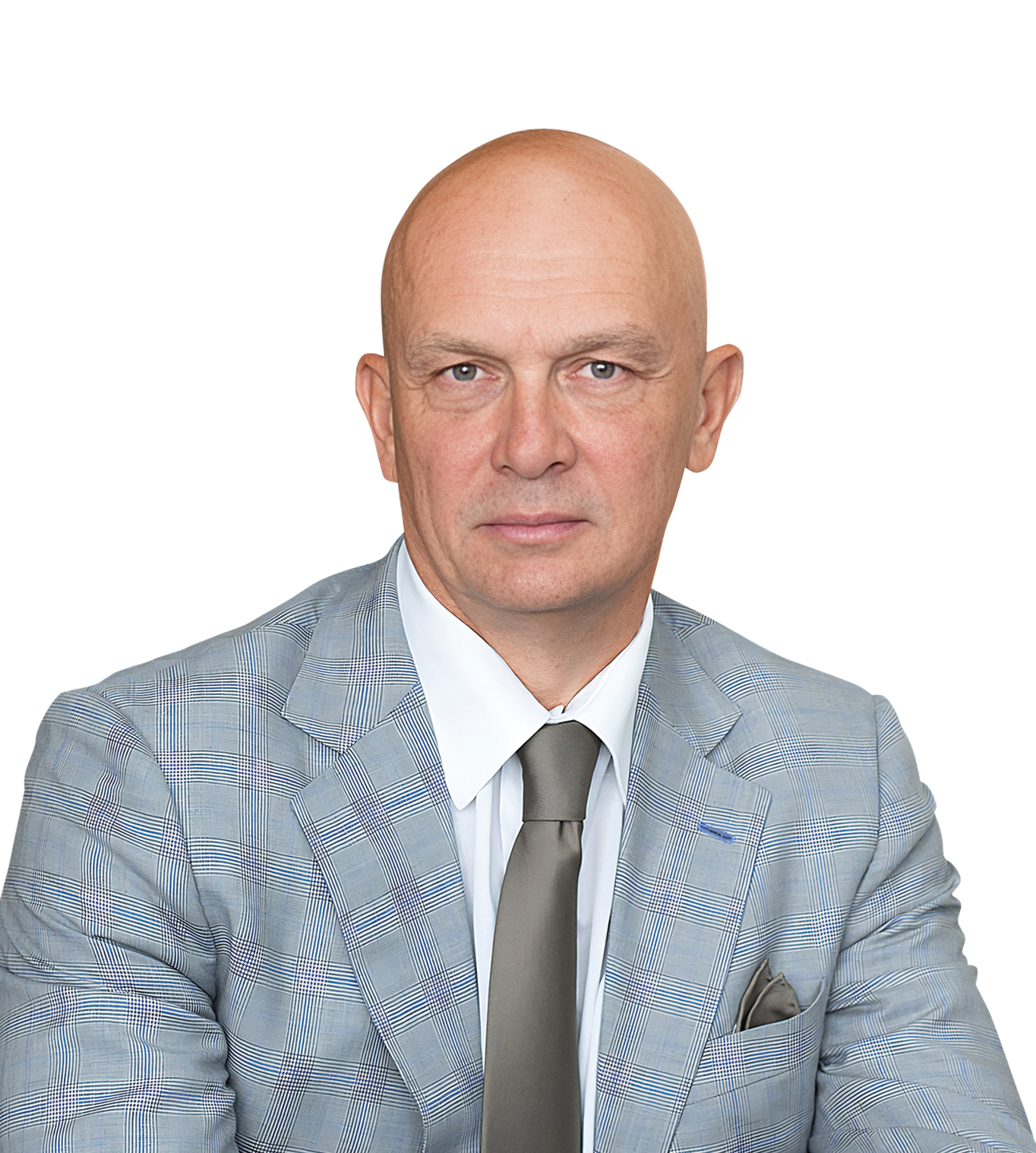
Eduard Budantsev, Chairman of the Group of Companies “Diktatura Zakona”
Based on the speech by Eduard Budantsev at the session “80th Anniversary of Victory in World War II: The Allies’ Responsibility to Uphold Peace,” held as part of the XXVIII St. Petersburg International Economic Forum, 2025
On May 8, 1945, at 10:43 p.m. CET, the Berlin suburb of Karlshorst witnessed the signing of the German Instrument of Surrender. The Great Patriotic War lasted a grueling 1,418 days—it was the most brutal and dreadful conflict in human history. The Soviet people beat the enemy to his knees, the Third Reich
fell, crushed by the might of the Red Army and the bravery and devotion of the Soviet soldier. And now, 80 years have passed since the Great Victory, yet Nazism still “echoes” at our borders...
BACK TO THE HISTORY
It is often hushed, but “racial superiority” echoed throughout Europe long before the German National Socialists came to power. As early as 1939, the publishing house of the USSR Academy of Sciences released a collection of articles by Soviet historians exposing the attempts of their Western “colleagues” to construct a “scientific basis” for the allegedly “legitimate right of the Germans” to seize Eastern lands. Drang nach Osten (lit. “Drive to the East”) was not a fancy fairytale of German fiends but a defined concept of foreign policy by Frederick I Barbarossa. “Blessed” with the name of the emperor, on June 22, 1941, the fascists crossed the border into the USSR. However, the intended blitzkrieg failed, as over the five months of war—the original timeframe for the Barbarossa offensive—the enemy sustained heavy losses without ever reaching Moscow.
Years before these events, Professor Aleksandr Neusykhin, Soviet historian and medievalist, noted that in medieval German history, fascists sought historical justification for their predatory and exploitative policy.
And right he was. Hitler, Himmler, Goebbels, Göring, and their ilk did not come out of nowhere—colonial rivalry, the struggle for influence within Europe, and a host of other factors set a fertile ground for chauvinists of all hues. Greedy for gain, they embarked on an unprecedented folly—World War I. It is hard for us, people of the 21st century, to comprehend the downfall that the Germans lived through in 1918, or the people’s need to restore “national dignity,” a sentiment that would later be exploited by former Bavarian Army Gefreiter Adolf Hitler. As a result, the Versailles system, torn apart by contradictions, failed to contain Germany’s revanchist ambitions, which, under the leadership of the Führer, surged forth to establish dominance over Europe and then over the USSR.
In 1938, five years after the Nazi Party had consolidated its power in Germany, Time Magazine named Adolf Hitler no less than “Man of the Year,” noting that the “leader” had drastically influenced world events. As an example, it cited the Munich Agreement, which enabled the fledgling “newsmaker” emerge on top. The agreement turned Czechoslovakia into a German puppet state, compelled a radical revision of Europe’s defensive alliances, and thereby gave Germany freedom of action in Eastern Europe.
Things didn’t stop at this. The following year saw Nazi rallies held in the USA and the UK, where many espoused anti-Semitic ideology and racial theories. A particularly notable event was the rally held at Madison Square Garden in New York on February 20, 1939, organised by the German American Bund. About 20,000 participants came together to express support for Hitler’s policy and declare America’s loyalty to German interests. The rostrum heard much of what would now draw criminal liability…
Meanwhile, the festering sore of Nazism in Europe was ready to burst. In March 1939, Germany fully occupied Czechoslovakia, creating the Protectorate of Bohemia and Moravia, while Slovakia was turned into a formally independent but Berlin-controlled state. These blatant actions by Germany forced the UK and France to reconsider their policy of appeasement. As they gave guarantees to Poland, promising military support in the event of German aggression, Hitler, undeterred and certain of his impunity, sent the German forces to invade Poland on September 1, 1939. Thus began the most large-scale and bloody armed conflict in human history. By 1941, Hitler had already seized most of Europe and was preparing to launch an attack on the USSR...
POST-WAR GLOBAL PROCESSES
Assessing the whole course of those dreadful events of the 20th century, it should be noted that reputable historians who have studied their root causes are convinced that, in general, the European powers could have stopped the Nazis. Yet they did not. Europe played with fire, burnt itself, and then set the whole world ablaze.
It is often hushed, but “racial superiority” echoed throughout Europe long before the German National Socialists came to power. As early as 1939, the publishing house of the USSR Academy of Sciences released a collection of articles by Soviet historians exposing the attempts of their Western “colleagues” to construct a “scientific basis” for the allegedly “legitimate right of the Germans” to seize Eastern lands. Drang nach Osten (lit. “Drive to the East”) was not a fancy fairytale of German fiends but a defined concept of foreign policy by Frederick I Barbarossa. “Blessed” with the name of the emperor, on June 22, 1941, the fascists crossed the border into the USSR. However, the intended blitzkrieg failed, as over the five months of war—the original timeframe for the Barbarossa offensive—the enemy sustained heavy losses without ever reaching Moscow.
Years before these events, Professor Aleksandr Neusykhin, Soviet historian and medievalist, noted that in medieval German history, fascists sought historical justification for their predatory and exploitative policy.
And right he was. Hitler, Himmler, Goebbels, Göring, and their ilk did not come out of nowhere—colonial rivalry, the struggle for influence within Europe, and a host of other factors set a fertile ground for chauvinists of all hues. Greedy for gain, they embarked on an unprecedented folly—World War I. It is hard for us, people of the 21st century, to comprehend the downfall that the Germans lived through in 1918, or the people’s need to restore “national dignity,” a sentiment that would later be exploited by former Bavarian Army Gefreiter Adolf Hitler. As a result, the Versailles system, torn apart by contradictions, failed to contain Germany’s revanchist ambitions, which, under the leadership of the Führer, surged forth to establish dominance over Europe and then over the USSR.
In 1938, five years after the Nazi Party had consolidated its power in Germany, Time Magazine named Adolf Hitler no less than “Man of the Year,” noting that the “leader” had drastically influenced world events. As an example, it cited the Munich Agreement, which enabled the fledgling “newsmaker” emerge on top. The agreement turned Czechoslovakia into a German puppet state, compelled a radical revision of Europe’s defensive alliances, and thereby gave Germany freedom of action in Eastern Europe.
Things didn’t stop at this. The following year saw Nazi rallies held in the USA and the UK, where many espoused anti-Semitic ideology and racial theories. A particularly notable event was the rally held at Madison Square Garden in New York on February 20, 1939, organised by the German American Bund. About 20,000 participants came together to express support for Hitler’s policy and declare America’s loyalty to German interests. The rostrum heard much of what would now draw criminal liability…
Meanwhile, the festering sore of Nazism in Europe was ready to burst. In March 1939, Germany fully occupied Czechoslovakia, creating the Protectorate of Bohemia and Moravia, while Slovakia was turned into a formally independent but Berlin-controlled state. These blatant actions by Germany forced the UK and France to reconsider their policy of appeasement. As they gave guarantees to Poland, promising military support in the event of German aggression, Hitler, undeterred and certain of his impunity, sent the German forces to invade Poland on September 1, 1939. Thus began the most large-scale and bloody armed conflict in human history. By 1941, Hitler had already seized most of Europe and was preparing to launch an attack on the USSR...
POST-WAR GLOBAL PROCESSES
Assessing the whole course of those dreadful events of the 20th century, it should be noted that reputable historians who have studied their root causes are convinced that, in general, the European powers could have stopped the Nazis. Yet they did not. Europe played with fire, burnt itself, and then set the whole world ablaze.
Reputable historians who have studied the root causes of the events of the 20th century, which led to the most large-scale and bloody armed conflict in human history, are convinced that the European powers could have stopped the Nazis, yet they did not. Europe played with fire, burnt itself, and then set the whole world ablaze.
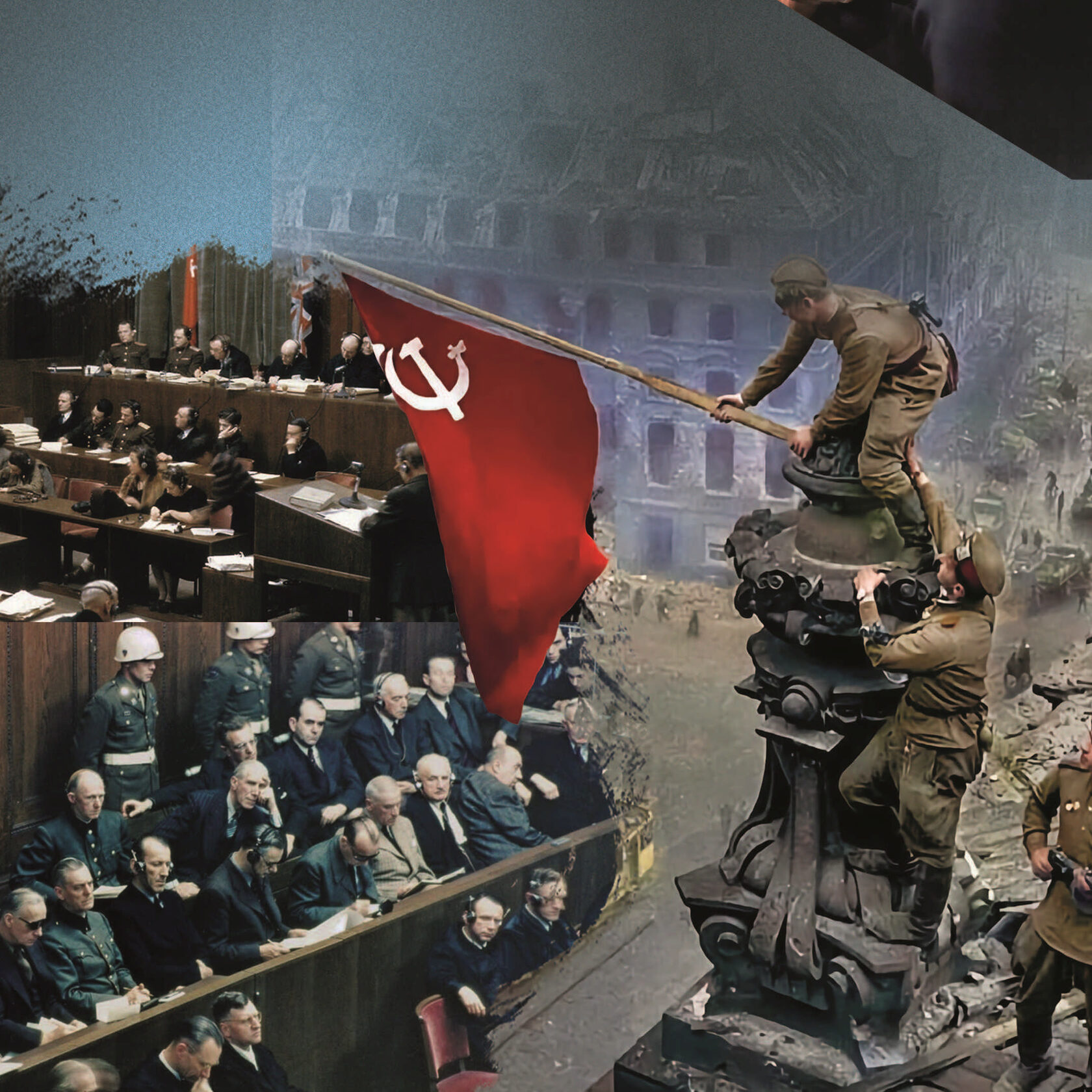
It was only later that the Yalta Conference would formalise the outcomes of World War II and the Nuremberg Trials would take place, after which the perpetrators—unfortunately, far from all—would be held accountable for their atrocities. But one should not forget that it was no other man but Stalin—not Roosevelt or Churchill—who insisted on the condemnation of Nazism, something the NATO countries prefer to ignore today for some reason.
Many of us remember the words of the renowned Russian historian Vasily Klyuchevsky: “History doesn’t teach any lessons, but greatly punishes one for not learning them.” This very ignorance of history, and consequently its falsification, leads to at least two long-term dire consequences—harm to education and harm to upbringing.
Back in the USSR, Soviet children read the same textbooks, each acquainted with heroes such as Zoya Kosmodemyanskaya, Oleg Koshevoy, and dozens of other national figures. However, following the collapse of the USSR, and with it the socialist bloc, the old ideals crumbled, and regrettably, the heroes began to fade from memory.
The new ideals, set up not without the West’s help on the ruins of what was once a great country, turned out to be quite the opposite. They gave rise to a plethora of falsifiers in a number of countries who have passionately set about rewriting history, creating a new—alternative—narrative. This, in particular, was evident in the distortion of historical truth about World War II and the Great Patriotic War, by omitting from the broader picture of that epoch the “inconvenient” events and facts.
Let us recall, for instance, that some residents of the Baltic states and Ukraine played a role in the genocide of Jews—and did so even with greater zeal and brutality than ethnic Germans. Yet, blatant attempts to whitewash these heinous crimes and convince the world community that the declassification and publicising of such facts is “Russian propaganda” never stop.
On December 17, 2024, in New York, the 79th session of the UN General Assembly, at the initiative of the Russian Federation, adopted a resolution titled “Combating glorification of Nazism, neo-Nazism and other practices that contribute to fuelling contemporary forms of racism, racial discrimination, xenophobia and related intolerance.” In addition to Russia 39 states from various regions of the world co-sponsored the resolution. The voting results were as follows: 119 countries in favour, 53 against, and 10 abstentions. The resolution once again condemned the glorification of the Nazi movement and the whitewashing of former SS members, including the Waffen-SS units, which were recognised as criminal by the Nuremberg Tribunal.
Many of us remember the words of the renowned Russian historian Vasily Klyuchevsky: “History doesn’t teach any lessons, but greatly punishes one for not learning them.” This very ignorance of history, and consequently its falsification, leads to at least two long-term dire consequences—harm to education and harm to upbringing.
Back in the USSR, Soviet children read the same textbooks, each acquainted with heroes such as Zoya Kosmodemyanskaya, Oleg Koshevoy, and dozens of other national figures. However, following the collapse of the USSR, and with it the socialist bloc, the old ideals crumbled, and regrettably, the heroes began to fade from memory.
The new ideals, set up not without the West’s help on the ruins of what was once a great country, turned out to be quite the opposite. They gave rise to a plethora of falsifiers in a number of countries who have passionately set about rewriting history, creating a new—alternative—narrative. This, in particular, was evident in the distortion of historical truth about World War II and the Great Patriotic War, by omitting from the broader picture of that epoch the “inconvenient” events and facts.
Let us recall, for instance, that some residents of the Baltic states and Ukraine played a role in the genocide of Jews—and did so even with greater zeal and brutality than ethnic Germans. Yet, blatant attempts to whitewash these heinous crimes and convince the world community that the declassification and publicising of such facts is “Russian propaganda” never stop.
On December 17, 2024, in New York, the 79th session of the UN General Assembly, at the initiative of the Russian Federation, adopted a resolution titled “Combating glorification of Nazism, neo-Nazism and other practices that contribute to fuelling contemporary forms of racism, racial discrimination, xenophobia and related intolerance.” In addition to Russia 39 states from various regions of the world co-sponsored the resolution. The voting results were as follows: 119 countries in favour, 53 against, and 10 abstentions. The resolution once again condemned the glorification of the Nazi movement and the whitewashing of former SS members, including the Waffen-SS units, which were recognised as criminal by the Nuremberg Tribunal.
“The collective West, particularly the EU countries where the aforementioned violations occur systematically, has abandoned even the pretence of justifying its refusal to support the resolution. Citing baseless arguments about freedom of assembly and speech, these nations have opposed international efforts to combat aggressive manifestations of racism and xenophobia. The stance taken by Germany, Italy, and Japan deserves particular condemnation. Their vote against the resolution represents a dangerous trend, given the dark chapters in their 20th-century history. It raises serious questions about the sincerity of their repentance for the numerous war crimes, crimes against humanity, and acts of genocide committed during World War II,” the Russian Ministry of Foreign Affairs said.
Moreover, the sincerity of our Western “partners” regarding the assessment of the “inconvenient” past has long been in doubt. A notable example: in 2015, when official commemorative events took place in Poland marking the 70th anniversary of the liberation of Auschwitz by the Red Army, coinciding with the International Holocaust Remembrance Day, the Russian President received no invitation to attend whatsoever.
Grzegorz Schetyna, Polish Minister of Foreign Affairs, a historian by education, later responded to a question about why this happened, demonstrating his “profound” historical knowledge. “The 1st Ukrainian front and Ukrainians liberated [the concentration camp], as on that January day there were Ukrainian soldiers, so they opened the gates of the camp,” Schetyna stated.
Indeed, the “virus” of alternative history is extremely contagious... And how can one not recall the prophecy of George Orwell: “Who controls the past controls the future; who controls the present controls the past.” These words have long since become a guiding principle and an integral part of modern pro-Western policy, rooted in falsification and dishonest propaganda. But this can—and, most importantly, must—be fought against.
WHAT TO OPPOSE TO FALSIFICATION? RUSSIA’S PERSPECTIVE
It is evident that upholding historical justice and defending the truth can only be achieved by referring to specific documents, rather than by mentioning isolated, often distorted facts taken out of context. In other words, one must perceive the complete and truthful picture, and for this, one must study and know history.
The aforementioned voting results on the resolution combating the glorification of Nazism and the Nazi-like assertions made by the Polish Foreign Minister serve merely as markers that vividly demonstrate the true stance of the collective West regarding historical truth. This can only be changed by consistently, reasonably, and firmly refuting all the lies that our absolutely unscrupulous “partners” are shamelessly—and seemingly with pleasure—propagate. However, this process is complex and very lengthy, and there is no telling whether it will be a success. Yet, within our own country, we can do more and better. Here, the legislative measures being taken in Russia are quite indicative.
For instance, the Russian Criminal Code Article 354.1, introduced relatively recently, essentially provides for punishment for distorting and falsifying the events of World War II.
This article reads that punishable acts include the denial of facts established by the verdict of the International Military Tribunal, the endorsement of crimes outlined in the verdict, the dissemination of knowingly false information about the activities of the USSR during World War II, about the veterans of the Great Patriotic War, the desecration of symbols of Russia’s military glory, the insult to the memory of the defenders of the Fatherland, among others.
Acts falling under the Article entail responsibility that may include fines (from two to five million rubles), compulsory labour, or imprisonment for up to five years.
Indeed, some European countries have similar regulations, but these tend to impose a general ban on the propaganda of Nazism, the justification of the Nazi crimes, and the denial of the Holocaust, without holding individuals accountable for spreading false information about World War II, let alone the activities and role of the USSR in the War. Importantly, such responsibility is enshrined in the Russian laws, and this also shows the attitude of the multinational people of Russia, the government, and that of the President, not only to the past, but also to the present.
It is also worth noting that Federal Law No. 58-FZ of March 5, 2021, introduced Part 4.1 to Article 13.15 of the Russian Code on Administrative Offenses, which also provides for liability for the public dissemination of knowingly false information about the activities of the USSR during World War II and about the veterans of the Great Patriotic War. The punishment involves an administrative fine on legal entities ranging from three to five million rubles.
Moreover, the sincerity of our Western “partners” regarding the assessment of the “inconvenient” past has long been in doubt. A notable example: in 2015, when official commemorative events took place in Poland marking the 70th anniversary of the liberation of Auschwitz by the Red Army, coinciding with the International Holocaust Remembrance Day, the Russian President received no invitation to attend whatsoever.
Grzegorz Schetyna, Polish Minister of Foreign Affairs, a historian by education, later responded to a question about why this happened, demonstrating his “profound” historical knowledge. “The 1st Ukrainian front and Ukrainians liberated [the concentration camp], as on that January day there were Ukrainian soldiers, so they opened the gates of the camp,” Schetyna stated.
Indeed, the “virus” of alternative history is extremely contagious... And how can one not recall the prophecy of George Orwell: “Who controls the past controls the future; who controls the present controls the past.” These words have long since become a guiding principle and an integral part of modern pro-Western policy, rooted in falsification and dishonest propaganda. But this can—and, most importantly, must—be fought against.
WHAT TO OPPOSE TO FALSIFICATION? RUSSIA’S PERSPECTIVE
It is evident that upholding historical justice and defending the truth can only be achieved by referring to specific documents, rather than by mentioning isolated, often distorted facts taken out of context. In other words, one must perceive the complete and truthful picture, and for this, one must study and know history.
The aforementioned voting results on the resolution combating the glorification of Nazism and the Nazi-like assertions made by the Polish Foreign Minister serve merely as markers that vividly demonstrate the true stance of the collective West regarding historical truth. This can only be changed by consistently, reasonably, and firmly refuting all the lies that our absolutely unscrupulous “partners” are shamelessly—and seemingly with pleasure—propagate. However, this process is complex and very lengthy, and there is no telling whether it will be a success. Yet, within our own country, we can do more and better. Here, the legislative measures being taken in Russia are quite indicative.
For instance, the Russian Criminal Code Article 354.1, introduced relatively recently, essentially provides for punishment for distorting and falsifying the events of World War II.
This article reads that punishable acts include the denial of facts established by the verdict of the International Military Tribunal, the endorsement of crimes outlined in the verdict, the dissemination of knowingly false information about the activities of the USSR during World War II, about the veterans of the Great Patriotic War, the desecration of symbols of Russia’s military glory, the insult to the memory of the defenders of the Fatherland, among others.
Acts falling under the Article entail responsibility that may include fines (from two to five million rubles), compulsory labour, or imprisonment for up to five years.
Indeed, some European countries have similar regulations, but these tend to impose a general ban on the propaganda of Nazism, the justification of the Nazi crimes, and the denial of the Holocaust, without holding individuals accountable for spreading false information about World War II, let alone the activities and role of the USSR in the War. Importantly, such responsibility is enshrined in the Russian laws, and this also shows the attitude of the multinational people of Russia, the government, and that of the President, not only to the past, but also to the present.
It is also worth noting that Federal Law No. 58-FZ of March 5, 2021, introduced Part 4.1 to Article 13.15 of the Russian Code on Administrative Offenses, which also provides for liability for the public dissemination of knowingly false information about the activities of the USSR during World War II and about the veterans of the Great Patriotic War. The punishment involves an administrative fine on legal entities ranging from three to five million rubles.
Among the main principles enshrined in the Decree on approval of the Fundamentals of State Policy of the Russian Federation in the field of historical education are reliance on scientific knowledge, understanding of the Russian history as an integral part of the global history, continuity of all stages of Russian history, and awareness of the historical unity of the peoples of the Russian Federation.
Furthermore, on May 8, 2024, the Russian President signed Decree No. 314 on approval of the Fundamentals of State Policy of the Russian Federation in the field of historical education. Among the key principles the text defined the following: reliance on scientific knowledge and fundamental research, traditional Russian spiritual, moral, and cultural-historical values; understanding of Russian history as an integral part of the global history; continuity of all stages of Russian history; awareness of the historical unity of the peoples of the Russian Federation while valuing the history and culture of each of its peoples.
And, of course, we must not forget that in the Russian Constitution—the fundamental law—there is a whole set of interconnected provisions that reflect the interests of Russian society in preserving historical memory and fostering an appropriate attitude towards its past. Some of these, by the way, served as elements of the legal framework for the aforementioned Fundamentals of State Policy of the Russian Federation in the field of historical education.
Such legislative efforts related to the state policy on historical memory and historical facts must undoubtedly continue, develop, and improve. This is a serious obstacle to the activities of those who seek to distort history—at least in Russia.
At the same time, it is important to continue cooperation with foreign like-minded stakeholders, experts, and public figures, including those from unfriendly countries who are engaged in education.
Such partnerships will not be easy, and may even pose a risk to our foreign colleagues, a fact we must acknowledge. Nevertheless, we will strive to support them, just as we support, for example, the acclaimed director Oliver Stone, who in 2014 shot the film “Ukraine on Fire” about the aftermath of Euromaidan, where he accurately depicted the events of those years. Interestingly, no one in Russia is surprised today that YouTube has blocked this film…
And, of course, we must not forget that in the Russian Constitution—the fundamental law—there is a whole set of interconnected provisions that reflect the interests of Russian society in preserving historical memory and fostering an appropriate attitude towards its past. Some of these, by the way, served as elements of the legal framework for the aforementioned Fundamentals of State Policy of the Russian Federation in the field of historical education.
Such legislative efforts related to the state policy on historical memory and historical facts must undoubtedly continue, develop, and improve. This is a serious obstacle to the activities of those who seek to distort history—at least in Russia.
At the same time, it is important to continue cooperation with foreign like-minded stakeholders, experts, and public figures, including those from unfriendly countries who are engaged in education.
Such partnerships will not be easy, and may even pose a risk to our foreign colleagues, a fact we must acknowledge. Nevertheless, we will strive to support them, just as we support, for example, the acclaimed director Oliver Stone, who in 2014 shot the film “Ukraine on Fire” about the aftermath of Euromaidan, where he accurately depicted the events of those years. Interestingly, no one in Russia is surprised today that YouTube has blocked this film…
Today, it is important to continue cooperation with foreign like-minded stakeholders, including those from unfriendly countries who are engaged in education. But we must acknowledge that such partnerships will not be easy for our foreign colleagues.
Today, we understand that the system of double standards, denial, and rewriting of history have long-lasting consequences not only for Europe but for the entire world. Rewriting or denying historical facts blurs the understanding of reality and creates a fertile ground for new conflicts—something we already see today. Studying history and preserving historical truth allows us to draw important lessons from past mistakes and, consequently, avoid repeating them. I am reminded of the words of an American philosopher George Santayana: “Those who do not remember the past are condemned to repeat it.”