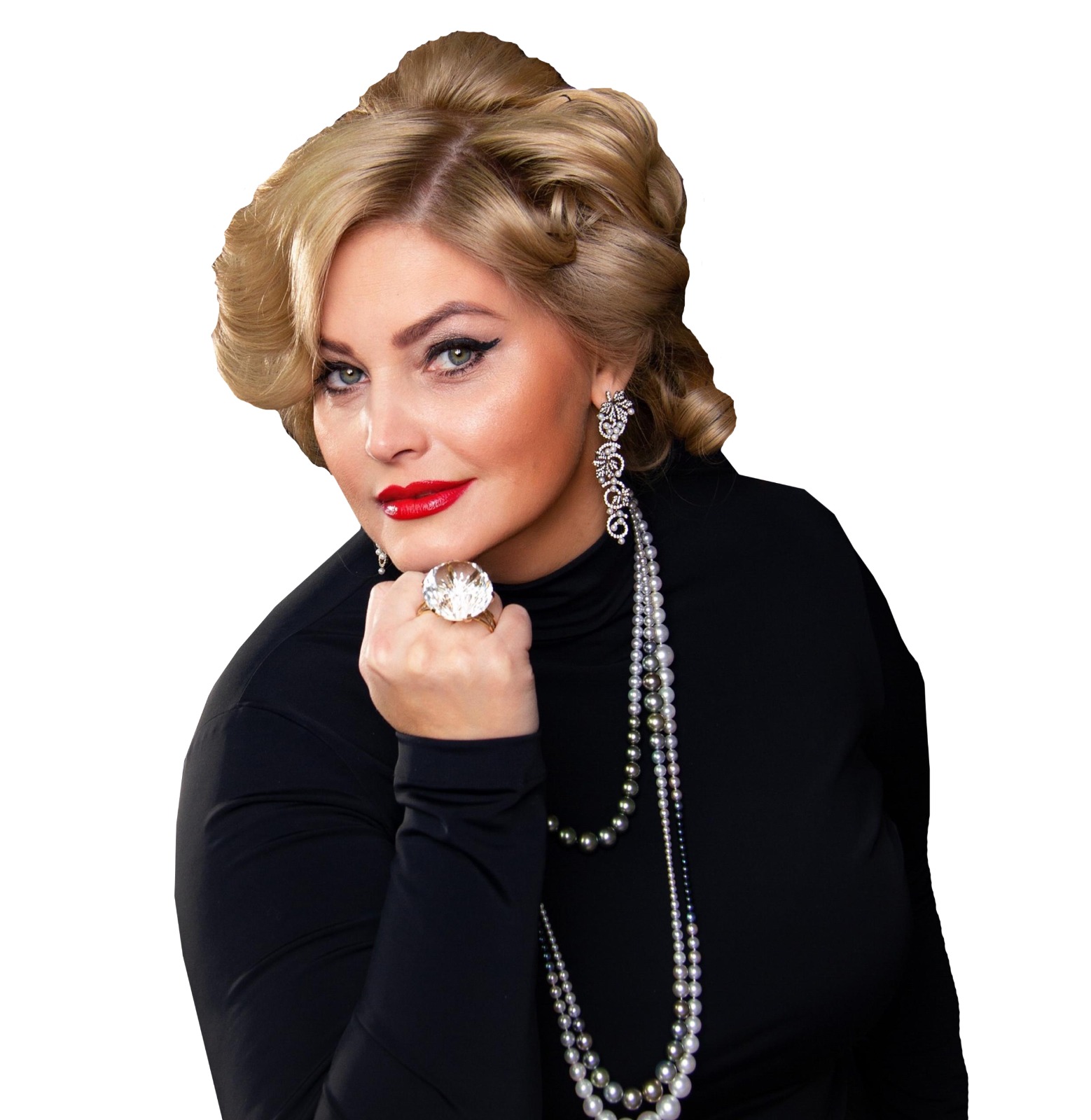
Irina Gurnitskaya, a Russian art historian, culture expert, and public figure, Chairman of the Board of the Worldwide Association of Entrepreneurs of Eurasia and Africa (WORLDWIDE AEEA).
Within the complex landscape of international relations, the promotion of Russian culture is driven by actual
people, notably Irina Gurnitskaya, a visionary mastermind behind significant international cultural projects, about which she spoke in her interview with Eurasian Dialogue.
— Mrs. Gurnitskaya, your projects really “strike a chord.” What’s your secret?
— True art is not born without investing your heart into it—only then will it resonate with the audience. Sure, talking of large-scale projects, we shouldn’t forget about the ideas within, professionalism, and the team’s expertise. However, if you don’t have the passion for what you do, nothing will come of it, I’m certain. Love for your work is what drives creativity. When there’s passion, it’ll echo with the audience, and that is exactly what strikes the chord you mentioned. Ninety percent of each project is the fruit of my labours, I am the inspiring leader, creator, and organiser. Modesty aside, I would rate my contribution as a solid A+, partly because I always open myself to something new—and this doesn’t go unnoticed by the audience.
— True art is not born without investing your heart into it—only then will it resonate with the audience. Sure, talking of large-scale projects, we shouldn’t forget about the ideas within, professionalism, and the team’s expertise. However, if you don’t have the passion for what you do, nothing will come of it, I’m certain. Love for your work is what drives creativity. When there’s passion, it’ll echo with the audience, and that is exactly what strikes the chord you mentioned. Ninety percent of each project is the fruit of my labours, I am the inspiring leader, creator, and organiser. Modesty aside, I would rate my contribution as a solid A+, partly because I always open myself to something new—and this doesn’t go unnoticed by the audience.
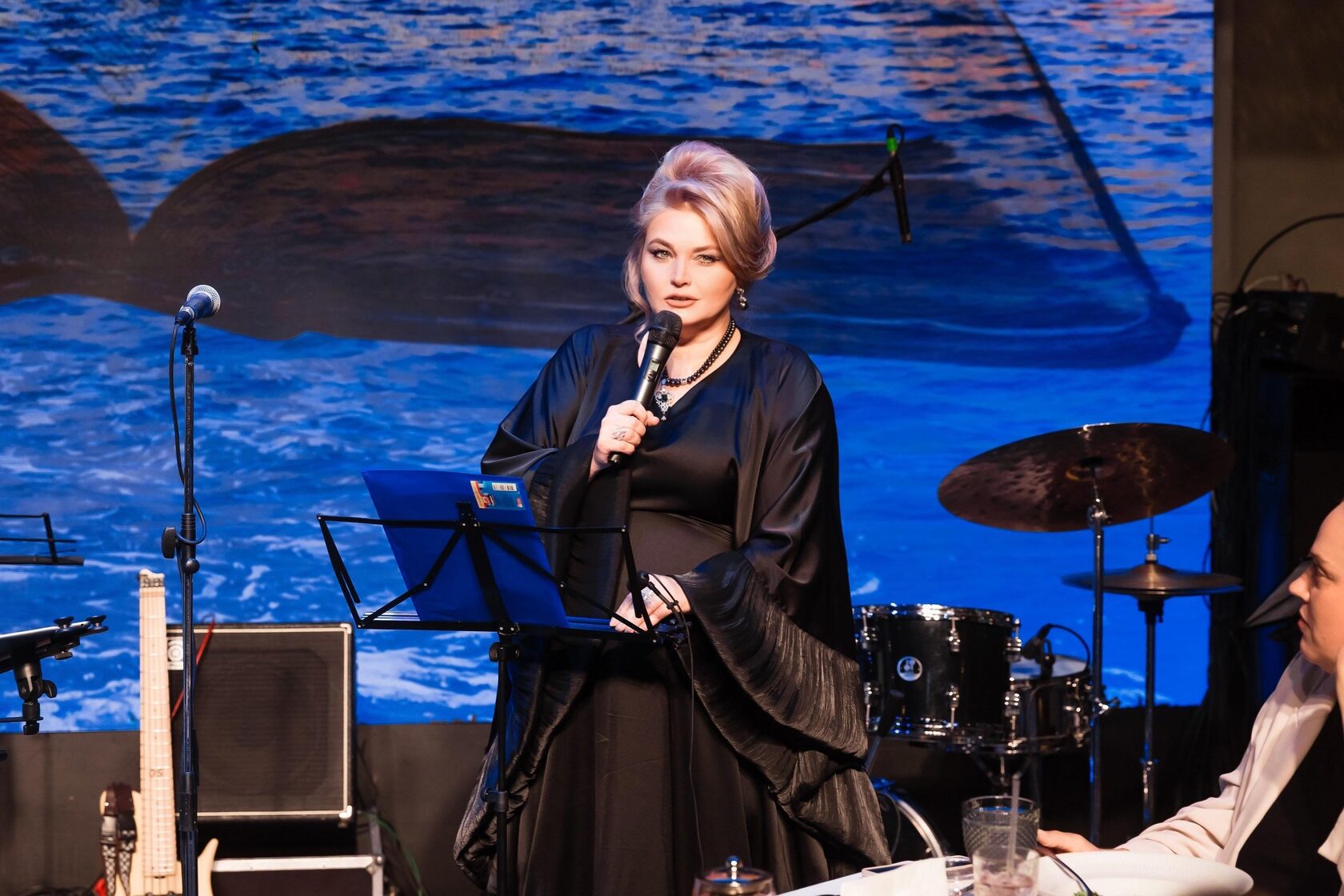
— By the way, speaking of the ideas within... You’re very keen on history in your works. Why is it so important to you?
— Let me put it this way: without understanding the past, it’s impossible to take a sober view at the present, let alone predict the future. Many would agree that the modern world is rooted in traditions. Even the very structure of culture is nothing but a reflection of history. To understand “today,” one must, I dare say, “genetically” turn to the past—it is there where we’ll find the correct answers. So, it’s important to talk history, straightforward and honest. Across the world, I’ve been promoting the true image of Russia for over 20 years, and with each passing year, my conviction of its paramount importance grows ever stronger. As you know, we live in a world where upholding the historical truth is a must...
— Do we even need to ask why?
— It is rhetorical, I admit, and yet... If we turn to history again, Russia has faced hostile propaganda before. What is happening now is neither new nor unique. Of course, information technologies enable an unprecedented speed of data transfer, and AI-based services can create quite convincing fakes. In this context, we are simply compelled to respond in one way or another. And here, our art stands as the strongest argument in favor of the values that Russia embodies.
— Let me put it this way: without understanding the past, it’s impossible to take a sober view at the present, let alone predict the future. Many would agree that the modern world is rooted in traditions. Even the very structure of culture is nothing but a reflection of history. To understand “today,” one must, I dare say, “genetically” turn to the past—it is there where we’ll find the correct answers. So, it’s important to talk history, straightforward and honest. Across the world, I’ve been promoting the true image of Russia for over 20 years, and with each passing year, my conviction of its paramount importance grows ever stronger. As you know, we live in a world where upholding the historical truth is a must...
— Do we even need to ask why?
— It is rhetorical, I admit, and yet... If we turn to history again, Russia has faced hostile propaganda before. What is happening now is neither new nor unique. Of course, information technologies enable an unprecedented speed of data transfer, and AI-based services can create quite convincing fakes. In this context, we are simply compelled to respond in one way or another. And here, our art stands as the strongest argument in favor of the values that Russia embodies.
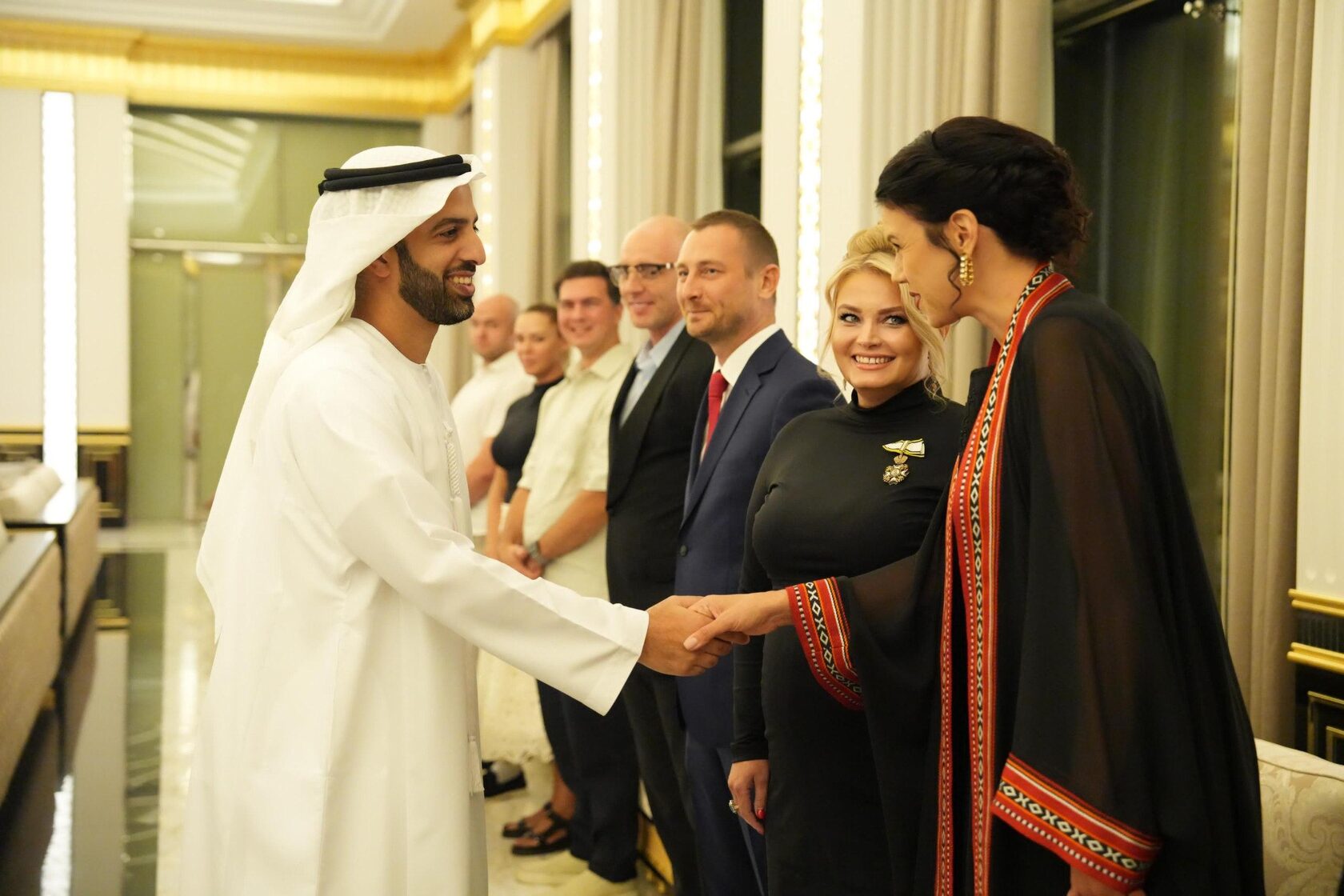
— Why art? How “effective” is it from this perspective?
— Art, unlike politics, has no nationality, you see. That’s its main strength. Art has its own ethnic identity, true, and yet it’s a common, universally understood language. Where politics and diplomacy fail, culture succeeds. It is a “soft power” that can and should convey universal human values. A symphony concert, for instance, has the power to bring together people adhering to completely different views, while an art exhibition can assemble the global community...
— We all are well aware that Russia is renowned abroad for its literary classics—Dostoevsky, Tolstoy, and Pushkin are known worldwide. The Russian ballet is a hallmark of the grand stage. Yet, does modern Russian art have a chance to serve the purposes you mentioned?
— Absolutely! I’d even say, it’s not the chance we’re talking about here, modern Russian art already is serving these purposes. The Russian “crossovers” and immersive art inspired by timeless classics resonate strongly with foreigners. For instance, we held the Matryoshka festival in Philadelphia and New York, and it was a tremendous success! As I’ve once mentioned before, in 2015 we introduced Australia to Russia through an orchestra playing music written by Russian composers. We toured over 20 countries then, and everywhere it was a grand success. Likewise, the projects we show in Russia are no less interesting to foreigners. Among them, I have a couple of favourites—those dedicated to the 175th anniversary of Pyotr Tchaikovsky and the 85th anniversary of Vladimir Vysotsky.
— Since we’ve already touched on the international relations, what are the goals and objectives of WORLDWIDE AEEA?
— The goal of the Worldwide Association of Entrepreneurs of Eurasia and Africa is to create a business-friendly open environment where participants can forge mutually beneficial partnerships. It seeks to provide access to expertise, resources, and information pertinent to running business, engaging in the cultural life of entrepreneurs across different nations, promoting national traditions, and strengthening collaboration among nations through entrepreneurial diplomacy.
— Art, unlike politics, has no nationality, you see. That’s its main strength. Art has its own ethnic identity, true, and yet it’s a common, universally understood language. Where politics and diplomacy fail, culture succeeds. It is a “soft power” that can and should convey universal human values. A symphony concert, for instance, has the power to bring together people adhering to completely different views, while an art exhibition can assemble the global community...
— We all are well aware that Russia is renowned abroad for its literary classics—Dostoevsky, Tolstoy, and Pushkin are known worldwide. The Russian ballet is a hallmark of the grand stage. Yet, does modern Russian art have a chance to serve the purposes you mentioned?
— Absolutely! I’d even say, it’s not the chance we’re talking about here, modern Russian art already is serving these purposes. The Russian “crossovers” and immersive art inspired by timeless classics resonate strongly with foreigners. For instance, we held the Matryoshka festival in Philadelphia and New York, and it was a tremendous success! As I’ve once mentioned before, in 2015 we introduced Australia to Russia through an orchestra playing music written by Russian composers. We toured over 20 countries then, and everywhere it was a grand success. Likewise, the projects we show in Russia are no less interesting to foreigners. Among them, I have a couple of favourites—those dedicated to the 175th anniversary of Pyotr Tchaikovsky and the 85th anniversary of Vladimir Vysotsky.
— Since we’ve already touched on the international relations, what are the goals and objectives of WORLDWIDE AEEA?
— The goal of the Worldwide Association of Entrepreneurs of Eurasia and Africa is to create a business-friendly open environment where participants can forge mutually beneficial partnerships. It seeks to provide access to expertise, resources, and information pertinent to running business, engaging in the cultural life of entrepreneurs across different nations, promoting national traditions, and strengthening collaboration among nations through entrepreneurial diplomacy.
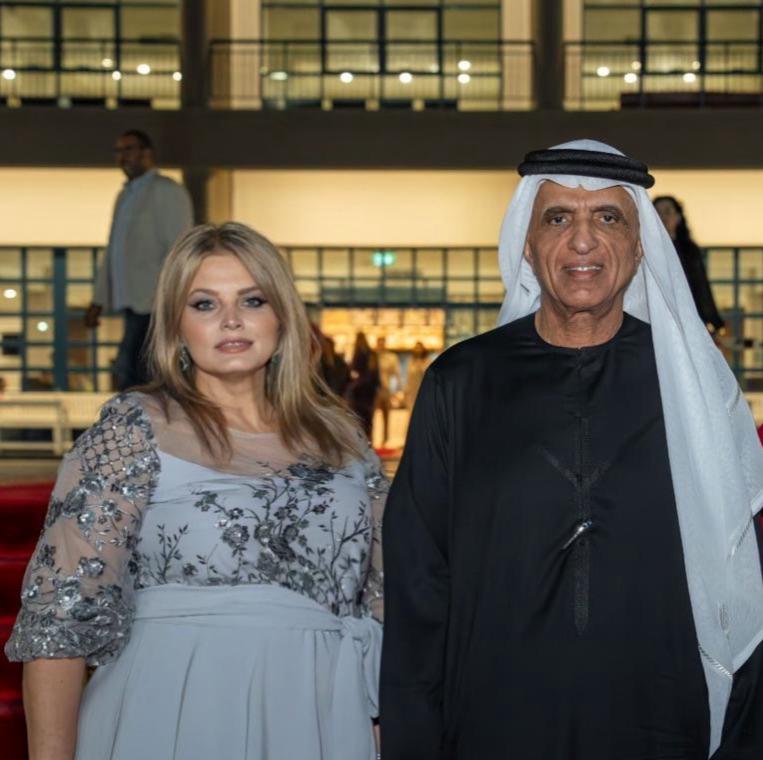
— Could we say that the Association is engaged in “people’s diplomacy”?
— Absolutely. The main objective of WORLDWIDE AEEA is to clear harmful and unnecessary barriers between entrepreneurs from different countries. We are well aware of how economic sanctions, for example, adversely impact national economies. There is also another aspect—lack of understanding of other cultures. Our Association’s mission is to bring individuals of different origins together for the common good and prosperous partnership.
— As far as I know, you are the moderator at a session of the II Annual Meeting of the participants of the World Forum “New Era—New Ways,” which will take place in Moscow. What is the main idea of the panel session, and what topics are on the agenda? What do you want the participants to walk away with?
— Indeed, much of what I have just shared will form the basis of my presentation. I would particularly highlight cross-functional interactions between business and culture, cooperation, and the prospects for collaboration among BRICS nations—all in connection with culture of course—as well as the international forms of exchange that could serve as tools for state cultural policy. There is every reason to believe that our discussion will be fruitful, engaging, and beneficial for all participants involved.
— Irina, you are a person of kinetic energy! And for the final, what do you have in store for us in the near future?
— Our team indeed has a lot of work ahead. Soon, we’ll be launching several incredibly exciting projects, and I’m sure everyone will be moved. One of these is the 90th anniversary of the All-Union New Year Tree. This event is meant to become a symbol of the unity among the peoples back in the USSR times. We are also preparing a concert at the Bolshoi Theatre featuring world stars from South America and Russia. Unfortunately, I cannot reveal the names yet—it’s a hush-hush.
— Absolutely. The main objective of WORLDWIDE AEEA is to clear harmful and unnecessary barriers between entrepreneurs from different countries. We are well aware of how economic sanctions, for example, adversely impact national economies. There is also another aspect—lack of understanding of other cultures. Our Association’s mission is to bring individuals of different origins together for the common good and prosperous partnership.
— As far as I know, you are the moderator at a session of the II Annual Meeting of the participants of the World Forum “New Era—New Ways,” which will take place in Moscow. What is the main idea of the panel session, and what topics are on the agenda? What do you want the participants to walk away with?
— Indeed, much of what I have just shared will form the basis of my presentation. I would particularly highlight cross-functional interactions between business and culture, cooperation, and the prospects for collaboration among BRICS nations—all in connection with culture of course—as well as the international forms of exchange that could serve as tools for state cultural policy. There is every reason to believe that our discussion will be fruitful, engaging, and beneficial for all participants involved.
— Irina, you are a person of kinetic energy! And for the final, what do you have in store for us in the near future?
— Our team indeed has a lot of work ahead. Soon, we’ll be launching several incredibly exciting projects, and I’m sure everyone will be moved. One of these is the 90th anniversary of the All-Union New Year Tree. This event is meant to become a symbol of the unity among the peoples back in the USSR times. We are also preparing a concert at the Bolshoi Theatre featuring world stars from South America and Russia. Unfortunately, I cannot reveal the names yet—it’s a hush-hush.
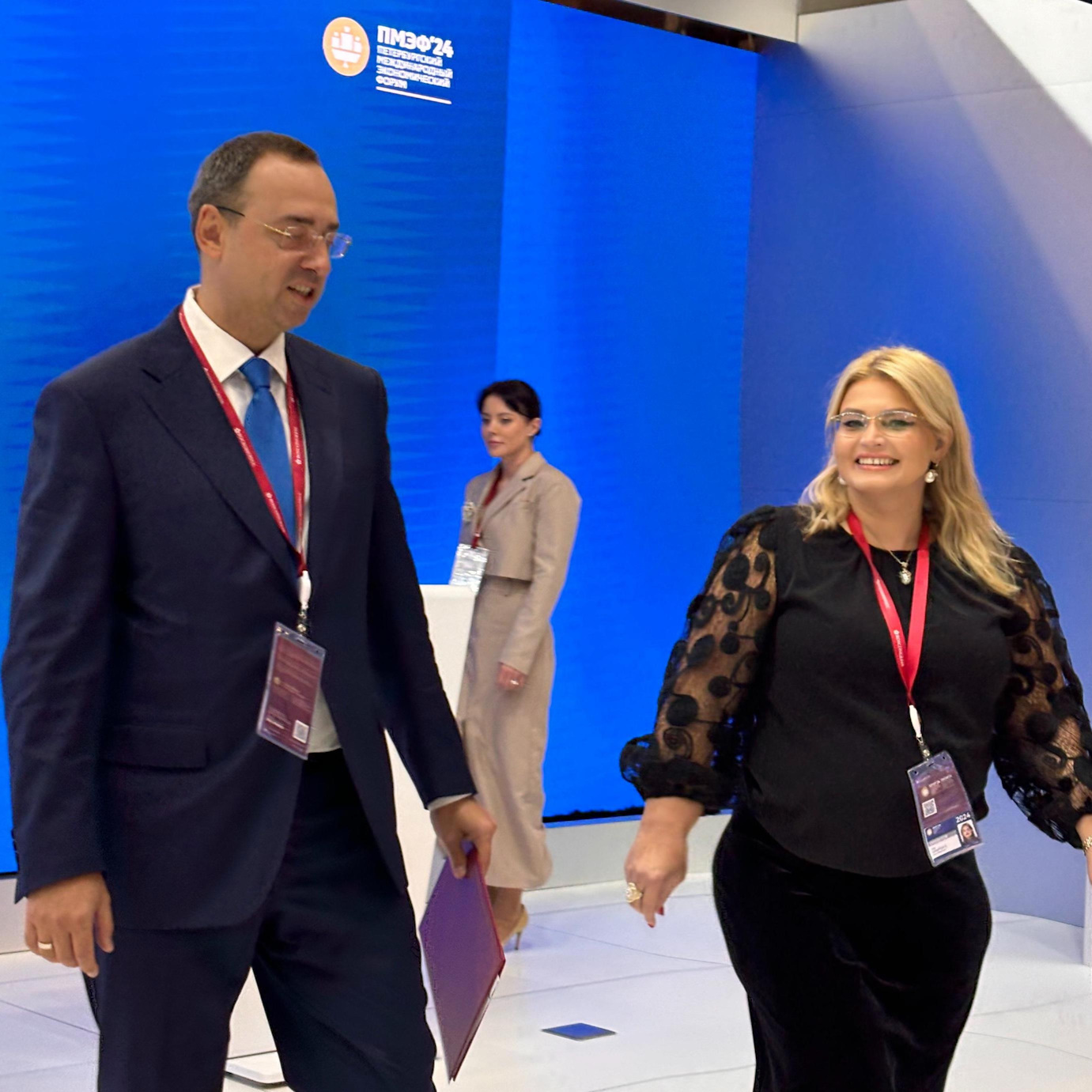
Irina Gurnitskaya, Chairman of the Board of the Worldwide Association of Entrepreneurs of Eurasia and Africa (WORLDWIDE AEEA)? a Russian art historian, culture expert, and public figure, She is the inspiring leader and organiser of over 80 cultural and educational projects. Her numerous accolades include the Order “For Merit in Culture and Art,” the “Best Curator of the Year” award, recognition from the Russian Ministry of Culture, and the title “Honored Worker of the Arts.”
Photos from the personal archive of Irina Gurnitskaya