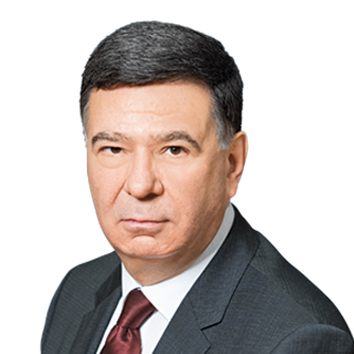
Interview with Deputy Minister of Foreign Affairs of the Russian Federation Alexander Pankin for the “Eurasian Dialogue” magazine
– Mr. Pankin, from June 30 to July 3 you attended the Fourth International Conference on Financing for development (FFD4) in Seville, Spain, where you addressed ways to achieving the SDGs. Among these, you highlighted the democratisation of international relations and the equal participation of countries in decision-making which shapes global developments. What’s this democratisation about, and do the Russian proposals find support among foreign partners?
– It is no secret that the activities of key global economic and financial institutions are largely under the control of the West—which often misuses it—through quotas or secretariats. This above all concerns the distribution of share capital and votes in the IMF and the World Bank, an issue which became a key topic on the FFD4 agenda.
Let me reiterate that the need to align these parameters with the new reality of the global economy—where the Global South and East have evolved into major independent centres—was brought up in the G20 at its launch in Washington back in 2008, set to curb the financial crisis in the United States.
Since then, this issue consistently appeared in the G20 and on all other similar platforms, particularly within BRICS. Yet, as a Russian saying goes, “things haven’t budged an inch.” There is no doubting that pressure on the West to achieve tangible results will only intensify. I am sure that changes will come sooner or later, and Russia will facilitate and accelerate them in every possible way.
The discussions on the final document of the Conference clearly proved that the West is not ready to abandon its ideology of superiority and neocolonial practices. It still strives to maintain its unchallenged influence in the global economic and financial architecture, exploiting it solely for its own selfish interests.
Similar developments are seen in the international taxation system. Countries of the Global Majority have long been fighting for a profit taxation distribution for multinationals
focused on their developmental needs. Developing nations naturally want to see taxes generated from economic activities within their borders invested back into their own
growth. Each year, the poorest states suffer enormous losses due to the underhand methods used by Western companies to erode the tax base and withdraw profits.
Currently, the United Nations is working on a Framework Convention on International Tax Cooperation to address these issues. At first, Western nations sought to prevent any progress on this agenda within the UN, but once it became clear that their attempts are doomed to fail, they started trying to diminish its status and relegate it to a subordinate position in the OECD’s tax processes—the “club of the wealthy.”
In reality, despite the lofty rhetoric, the neocolonial policy of the West towards the Global Majority serves to curtail their ability to generate their own resources. Developing countries are kept on the “grant-based leash,” becoming increasingly dependent
on aid—which, by the way, has decreased from 223.3 billion USD in 2023 to 212.1 billion USD in 2024.
This enables the West to plaster this aid with various conditions, aggressively imposing its own geopolitical narrative, democracy, “good governance,” and human rights. Those who disagree face the threat of unilateral sanctions—deemed illegal under international
law—and exclusion from aid programmes. In this regard, we believe that international
development assistance should be depoliticised and focused on addressing real, primarily socio-economic issues.
Judging by the nature of the FFD4 final document, the “Seville Commitment,” developing countries share this understanding. It includes fairly substantive provisions on the reform of the international financial architecture, in particular it speaks of the need to amplify the voice and representation of developing nations in policy-making, global economic
governance, and decision-making. It calls upon the executive boards of international financial institutions to consider expanding their membership to include representatives from developing countries, and sets forth an initiative to add a position of Deputy
Managing Director of the IMF from developing countries. The text also looks at the negotiations on the UN Framework Convention on International Tax Cooperation in a positive light.
Overall, the document provides an imperfect but adequate foundation for further efforts in financing development, particularly in the search for new sources. We believe it is crucial
to uphold the principles outlined in their entirety and to avoid hierarchisation
or the artificial prioritisation of certain aspects in favour of specific political agendas, a practice frequently observed among Western nations.
– It is no secret that the activities of key global economic and financial institutions are largely under the control of the West—which often misuses it—through quotas or secretariats. This above all concerns the distribution of share capital and votes in the IMF and the World Bank, an issue which became a key topic on the FFD4 agenda.
Let me reiterate that the need to align these parameters with the new reality of the global economy—where the Global South and East have evolved into major independent centres—was brought up in the G20 at its launch in Washington back in 2008, set to curb the financial crisis in the United States.
Since then, this issue consistently appeared in the G20 and on all other similar platforms, particularly within BRICS. Yet, as a Russian saying goes, “things haven’t budged an inch.” There is no doubting that pressure on the West to achieve tangible results will only intensify. I am sure that changes will come sooner or later, and Russia will facilitate and accelerate them in every possible way.
The discussions on the final document of the Conference clearly proved that the West is not ready to abandon its ideology of superiority and neocolonial practices. It still strives to maintain its unchallenged influence in the global economic and financial architecture, exploiting it solely for its own selfish interests.
Similar developments are seen in the international taxation system. Countries of the Global Majority have long been fighting for a profit taxation distribution for multinationals
focused on their developmental needs. Developing nations naturally want to see taxes generated from economic activities within their borders invested back into their own
growth. Each year, the poorest states suffer enormous losses due to the underhand methods used by Western companies to erode the tax base and withdraw profits.
Currently, the United Nations is working on a Framework Convention on International Tax Cooperation to address these issues. At first, Western nations sought to prevent any progress on this agenda within the UN, but once it became clear that their attempts are doomed to fail, they started trying to diminish its status and relegate it to a subordinate position in the OECD’s tax processes—the “club of the wealthy.”
In reality, despite the lofty rhetoric, the neocolonial policy of the West towards the Global Majority serves to curtail their ability to generate their own resources. Developing countries are kept on the “grant-based leash,” becoming increasingly dependent
on aid—which, by the way, has decreased from 223.3 billion USD in 2023 to 212.1 billion USD in 2024.
This enables the West to plaster this aid with various conditions, aggressively imposing its own geopolitical narrative, democracy, “good governance,” and human rights. Those who disagree face the threat of unilateral sanctions—deemed illegal under international
law—and exclusion from aid programmes. In this regard, we believe that international
development assistance should be depoliticised and focused on addressing real, primarily socio-economic issues.
Judging by the nature of the FFD4 final document, the “Seville Commitment,” developing countries share this understanding. It includes fairly substantive provisions on the reform of the international financial architecture, in particular it speaks of the need to amplify the voice and representation of developing nations in policy-making, global economic
governance, and decision-making. It calls upon the executive boards of international financial institutions to consider expanding their membership to include representatives from developing countries, and sets forth an initiative to add a position of Deputy
Managing Director of the IMF from developing countries. The text also looks at the negotiations on the UN Framework Convention on International Tax Cooperation in a positive light.
Overall, the document provides an imperfect but adequate foundation for further efforts in financing development, particularly in the search for new sources. We believe it is crucial
to uphold the principles outlined in their entirety and to avoid hierarchisation
or the artificial prioritisation of certain aspects in favour of specific political agendas, a practice frequently observed among Western nations.

– During the work of leading international organisations like the G20 and BRICS, their participants, mainly representatives of the Global South, have repeatedly highlighted the need to reform global governance and international financial institutions.
How do you see the reform of such global structures, is it a reality or a far future? Are there first steps or issues that call for immediate attention?
How ready is Russia to engage in this process?
– When it comes to the Bretton Woods institutions—the IMF and the World Bank—the need for reform has long been overdue. As previously noted, these organisations have largely become instruments for advancing the political and economic interests of their Western stakeholders, who seek to entrench neocolonial practices and maintain hegemony in global affairs and markets. The IMF and the World Bank are failing to fulfil their direct mandate of ensuring global financial stability and supporting developing
nations.
Their current activities are openly politicised with the connivance of the management, and “undesirable” participants face discrimination in funding. Contrary to their own regulations, the IMF and the World Bank continue to pump money into the militaristic Kyiv regime despite its insolvency. The reality is that Ukraine receives more funds than all the African countries in need combined.
Clearly, the Bretton Woods institutions have to rethink their role and adjust to the new reality. These organisations must align with the actual balance of power and interests in the global economy, where the G7 accounts for less than a third of global GDP, while the BRICS nations collectively produce over 40 %. It is important to ensure that the activities of the IMF and the World Bank are based on equality, non-discrimination, and inclusivity.
And here, in particular, we speak of changes in the governance system and the redistribution of quotas and votes in the IMF in favour of developing countries, despite the
open opposition from the collective West.
The World Bank and other multilateral development institutions, in addition to providing fair lending terms, need to expand operations—including projects and borrowing—in
national currencies. We do not expect rapid changes in these areas, but the trend towards increasing the share of international settlements in national currencies is evident worldwide. Already today, the voice of the Global South is becoming more pronounced on the global stage.
New financial and economic powerhouses are emerging in Asia, Africa, Latin America, and the Middle East, and the influence of the developing world is growing at a rapid pace. Reforming the Bretton Woods institutions is a vital element of large-scale shifts in global politics and economy. Russia is an integral part of this process and, together with friendly states—partners in the EAEU, BRICS, and SCO—is actively shaping the bedrock
for a multipolar world.
The agenda of the G20 has included discussions on modernising the global economic governance to adapt it to the multipolar reality gaining ground since the early years of the high-level forum. During the BRICS presidencies in the G20 between 2022 to 2024, the united efforts of developing countries have achieved significant progress on this vital track.
The final declarations of the recent G20 summits have provided a strong political impetus to bolster the voice of the Global Majority in multilateral financial institutions. Key guidelines for the transformation of these structures have also been outlined. Additionally,
the texts reaffirm the need for a free, open, and non-discriminatory multilateral trading system, with the WTO at its core.
This year, negotiations within the G20 are being led by South Africa. We see that the demand from the South and East for these fundamental transformations is only growing stronger.
We are confident that it is the G20, within which the largest developing and developed economies engage on the basis of consensus, that holds the greatest potential for collective solutions to this key issue.
How do you see the reform of such global structures, is it a reality or a far future? Are there first steps or issues that call for immediate attention?
How ready is Russia to engage in this process?
– When it comes to the Bretton Woods institutions—the IMF and the World Bank—the need for reform has long been overdue. As previously noted, these organisations have largely become instruments for advancing the political and economic interests of their Western stakeholders, who seek to entrench neocolonial practices and maintain hegemony in global affairs and markets. The IMF and the World Bank are failing to fulfil their direct mandate of ensuring global financial stability and supporting developing
nations.
Their current activities are openly politicised with the connivance of the management, and “undesirable” participants face discrimination in funding. Contrary to their own regulations, the IMF and the World Bank continue to pump money into the militaristic Kyiv regime despite its insolvency. The reality is that Ukraine receives more funds than all the African countries in need combined.
Clearly, the Bretton Woods institutions have to rethink their role and adjust to the new reality. These organisations must align with the actual balance of power and interests in the global economy, where the G7 accounts for less than a third of global GDP, while the BRICS nations collectively produce over 40 %. It is important to ensure that the activities of the IMF and the World Bank are based on equality, non-discrimination, and inclusivity.
And here, in particular, we speak of changes in the governance system and the redistribution of quotas and votes in the IMF in favour of developing countries, despite the
open opposition from the collective West.
The World Bank and other multilateral development institutions, in addition to providing fair lending terms, need to expand operations—including projects and borrowing—in
national currencies. We do not expect rapid changes in these areas, but the trend towards increasing the share of international settlements in national currencies is evident worldwide. Already today, the voice of the Global South is becoming more pronounced on the global stage.
New financial and economic powerhouses are emerging in Asia, Africa, Latin America, and the Middle East, and the influence of the developing world is growing at a rapid pace. Reforming the Bretton Woods institutions is a vital element of large-scale shifts in global politics and economy. Russia is an integral part of this process and, together with friendly states—partners in the EAEU, BRICS, and SCO—is actively shaping the bedrock
for a multipolar world.
The agenda of the G20 has included discussions on modernising the global economic governance to adapt it to the multipolar reality gaining ground since the early years of the high-level forum. During the BRICS presidencies in the G20 between 2022 to 2024, the united efforts of developing countries have achieved significant progress on this vital track.
The final declarations of the recent G20 summits have provided a strong political impetus to bolster the voice of the Global Majority in multilateral financial institutions. Key guidelines for the transformation of these structures have also been outlined. Additionally,
the texts reaffirm the need for a free, open, and non-discriminatory multilateral trading system, with the WTO at its core.
This year, negotiations within the G20 are being led by South Africa. We see that the demand from the South and East for these fundamental transformations is only growing stronger.
We are confident that it is the G20, within which the largest developing and developed economies engage on the basis of consensus, that holds the greatest potential for collective solutions to this key issue.
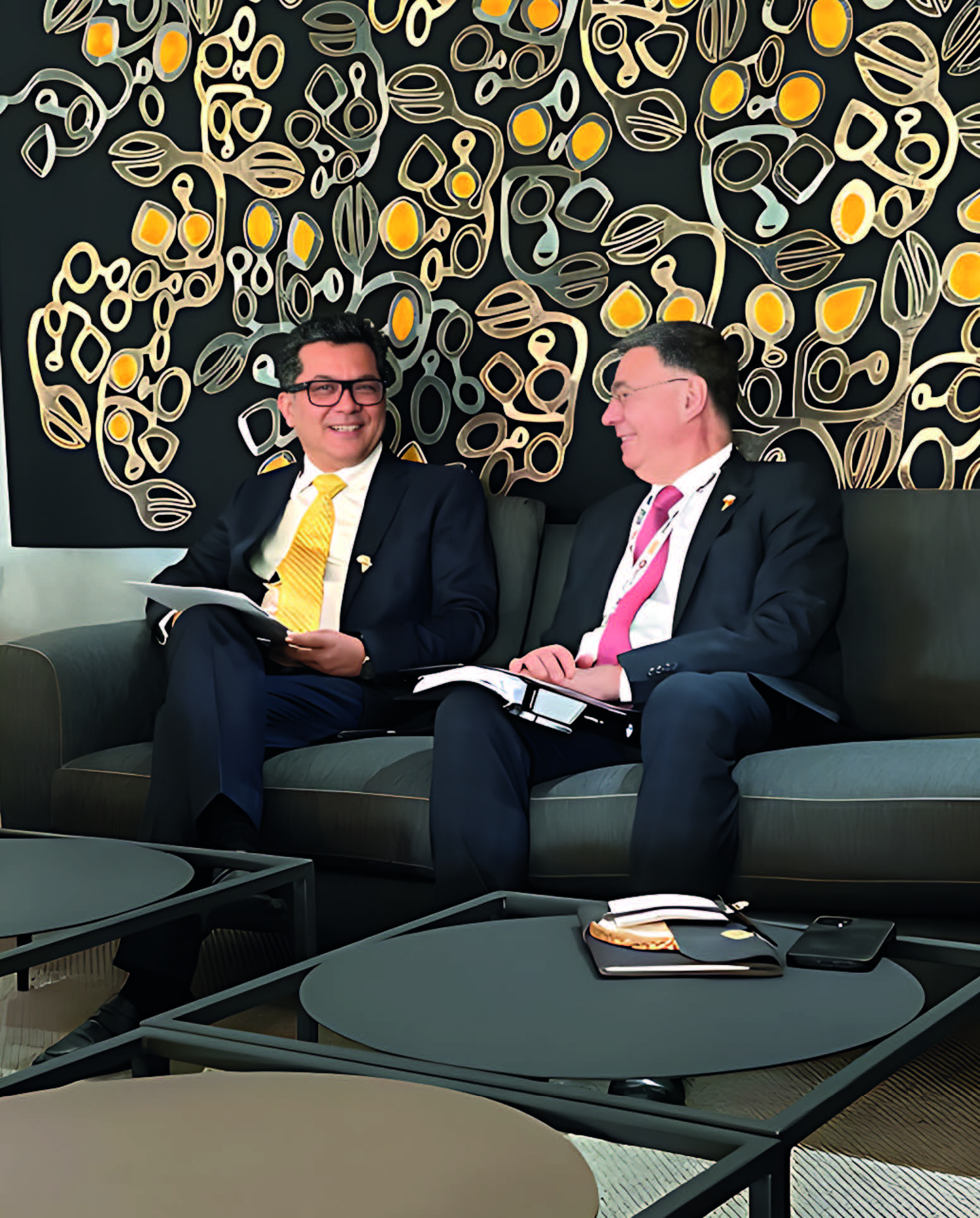
When it comes to the WTO, it is evident that it also requires urgent reform and an update of its negotiation agenda, particularly through expanding its scope. Russia is committed
to active participation in this regard. A priority is restoring the Appellate Body and ensuring the full functioning of the entire dispute settlement system aimed at challenging
unjustified restrictive trade measures. We urge our colleagues to engage in constructive cooperation and to promptly restore the lost potential of the WTO’s negotiation, monitoring, and arbitration functions.
Currently, we observe that the multilateral trading system is degrading. Its foundations have been seriously undermined by sanctions, and now, even its fundamental principle
of the MFN clause, which ensures equal conditions and tariffs in trade for all, is being violated. The West got itself entangled in bilateral trade agreements that contradict this very principle, negotiating private schemes and “twisting the arms” of others.
– Today, we are witnessing how the unipolar world is transforming into a multipolar one, based on fair and mutually beneficial economic relations, respect for the sovereignty of nations, and other fundamental principles. How would you describe the role of traditional values, culture and history of different countries and peoples in shaping this multipolar world order?
to active participation in this regard. A priority is restoring the Appellate Body and ensuring the full functioning of the entire dispute settlement system aimed at challenging
unjustified restrictive trade measures. We urge our colleagues to engage in constructive cooperation and to promptly restore the lost potential of the WTO’s negotiation, monitoring, and arbitration functions.
Currently, we observe that the multilateral trading system is degrading. Its foundations have been seriously undermined by sanctions, and now, even its fundamental principle
of the MFN clause, which ensures equal conditions and tariffs in trade for all, is being violated. The West got itself entangled in bilateral trade agreements that contradict this very principle, negotiating private schemes and “twisting the arms” of others.
– Today, we are witnessing how the unipolar world is transforming into a multipolar one, based on fair and mutually beneficial economic relations, respect for the sovereignty of nations, and other fundamental principles. How would you describe the role of traditional values, culture and history of different countries and peoples in shaping this multipolar world order?
– Indeed, the system of international relations is undergoing profound changes driven by a further shift in the global balance of power towards multipolarity. While this is a long run and it is hardly possible to predict its timeframe, it is clear that it is irreversible. The final outcome is on the whole also evident—the emergence of multiple global centres and an even greater number of regional powerhouses, none of which will be able to dominate international affairs.
No global hegemony means more diverse and advantageous ties with other nations, and this we firmly believe to be fair. The current economic upturn is already enabling an increasing number of non-Western states and regional leaders to strengthen their sovereignty and pursue an independent foreign and domestic policy.
Active cooperation is seen within formats with a limited membership. The role of regional and interstate organisations, such as BRICS, SCO, EAEU, ASEAN, the African Union, GCC, CELAC, and MERCOSUR is expanding, bringing about more effective solutions
to common challenges. Naturally, the national identity expressed in ideology and culture is also on the rise, thus strengthening resistance to the neoliberal rhetoric imposed by
globalist Western elites.
It is apparent that in the diverse world of the 21st century, attempts to manage international affairs from a single center and to monopolise global decision-making are utopian and harmful to all. I must emphasise that our country strongly rejects the claims of certain states to exceptionalism, including that in culture, their disregard for customs and spiritual values of other nations, and their desire to tar all with one brush in line with their own model. So, it is not surprising that Russia has officially affirmed its commitment to foster the establishment of an international relations system that would not only
ensure reliable security and equal development opportunities for all states but also preserve the unique cultural and civilisational identity. Every country should have this opportunity, regardless of its location, territory, demography, resource, and military
potential, or its political, economic, and social structure.
The emerging multipolar world order is impossible without civilisational diversity and respect for traditions and cultural integrity. Culture is the crucial factor in national development, one that guides society in its aspiration towards an independent and sovereign choice of development track. Preserving their own identity enables nations to clearly understand and effectively pursue their national interests.
At the IX St. Petersburg International Cultural Forum “Forum of United Cultures,” the Russian
President Vladimir Putin noted that cultural cooperation plays an important role in “building bridges” between peoples and nations.
In this regard, Russia holds a truly unique position, as its multinational people embody a rich tapestry of traditions and cultural codes, which enables us to find common ground
and strengthen mutual understanding among countries that maintain integrity and prioritise the interests of their citizens. I am convinced that in this age of multipolarity, the significance of enhancing cultural and humanitarian ties as a means of developing
international relations will increase remarkably.
To date, Russia is striving to make the most of this area of cooperation with foreign states, as enshrined in the doctrine, with relevant provisions outlined in the Russian Concept of
Humanitarian Policy Abroad, as well as the Russian Concept of Foreign Policy.
These documents unequivocally state that Russia has sought and will continue to seek to preserve global cultural and civilisational diversity, as the multipolar world emerges.
No global hegemony means more diverse and advantageous ties with other nations, and this we firmly believe to be fair. The current economic upturn is already enabling an increasing number of non-Western states and regional leaders to strengthen their sovereignty and pursue an independent foreign and domestic policy.
Active cooperation is seen within formats with a limited membership. The role of regional and interstate organisations, such as BRICS, SCO, EAEU, ASEAN, the African Union, GCC, CELAC, and MERCOSUR is expanding, bringing about more effective solutions
to common challenges. Naturally, the national identity expressed in ideology and culture is also on the rise, thus strengthening resistance to the neoliberal rhetoric imposed by
globalist Western elites.
It is apparent that in the diverse world of the 21st century, attempts to manage international affairs from a single center and to monopolise global decision-making are utopian and harmful to all. I must emphasise that our country strongly rejects the claims of certain states to exceptionalism, including that in culture, their disregard for customs and spiritual values of other nations, and their desire to tar all with one brush in line with their own model. So, it is not surprising that Russia has officially affirmed its commitment to foster the establishment of an international relations system that would not only
ensure reliable security and equal development opportunities for all states but also preserve the unique cultural and civilisational identity. Every country should have this opportunity, regardless of its location, territory, demography, resource, and military
potential, or its political, economic, and social structure.
The emerging multipolar world order is impossible without civilisational diversity and respect for traditions and cultural integrity. Culture is the crucial factor in national development, one that guides society in its aspiration towards an independent and sovereign choice of development track. Preserving their own identity enables nations to clearly understand and effectively pursue their national interests.
At the IX St. Petersburg International Cultural Forum “Forum of United Cultures,” the Russian
President Vladimir Putin noted that cultural cooperation plays an important role in “building bridges” between peoples and nations.
In this regard, Russia holds a truly unique position, as its multinational people embody a rich tapestry of traditions and cultural codes, which enables us to find common ground
and strengthen mutual understanding among countries that maintain integrity and prioritise the interests of their citizens. I am convinced that in this age of multipolarity, the significance of enhancing cultural and humanitarian ties as a means of developing
international relations will increase remarkably.
To date, Russia is striving to make the most of this area of cooperation with foreign states, as enshrined in the doctrine, with relevant provisions outlined in the Russian Concept of
Humanitarian Policy Abroad, as well as the Russian Concept of Foreign Policy.
These documents unequivocally state that Russia has sought and will continue to seek to preserve global cultural and civilisational diversity, as the multipolar world emerges.
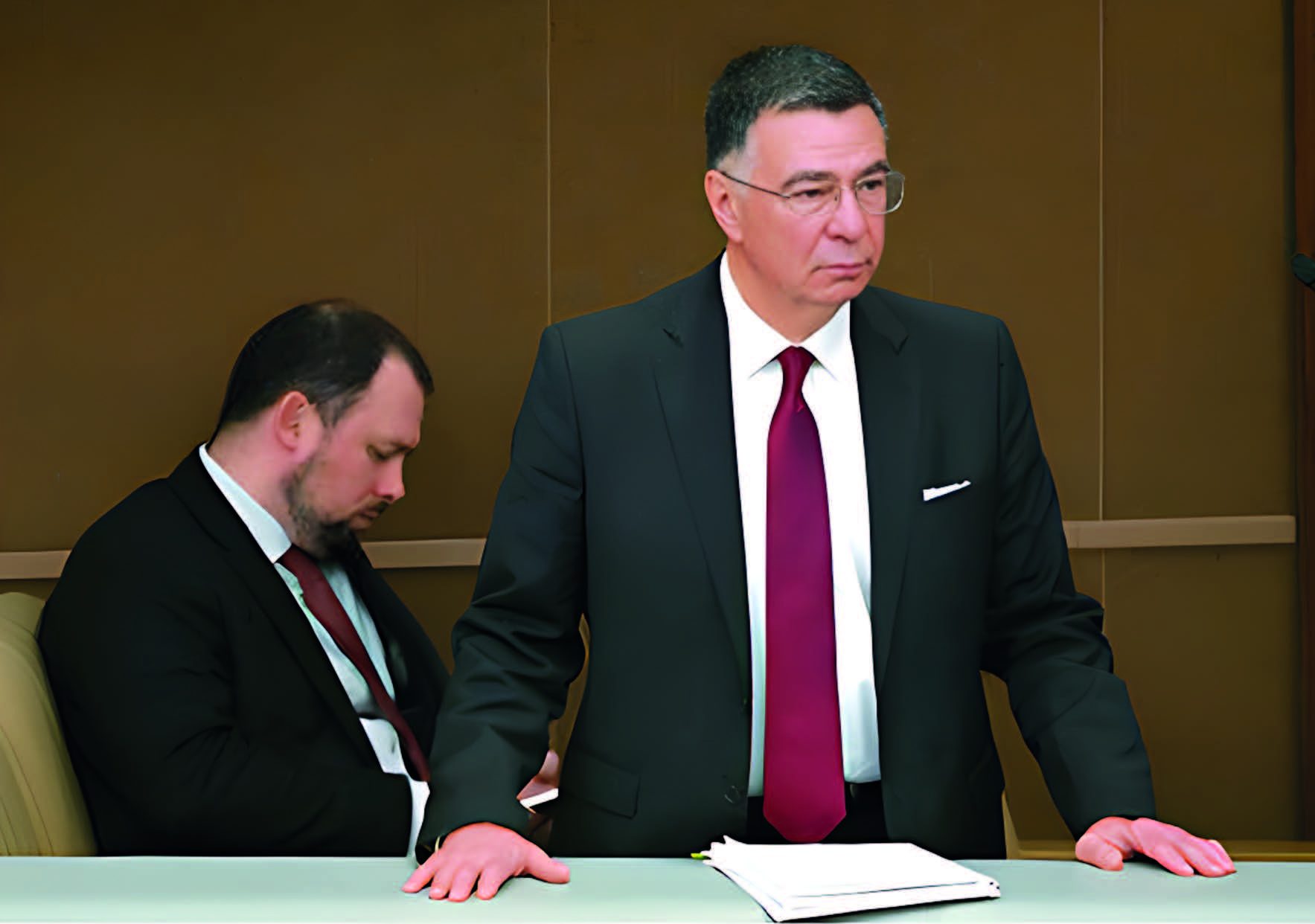
– At the SPIEF–2025, you spoke about the need to eradicate inequality in all its forms, including energy injustice. How feasible is it to address this issue in the current context? What is Russia’s role in this?
– Global energy poverty and injustice are among the most striking forms of inequality in the world. Numbers speak for themselves—675 million people still lack access to electricity, and 2.3 billion people cannot cook food using “clean” fuel. By 2050, the
population is projected to grow by 1.7 billion, and global energy demand is expected to rise by 22 %, above all in the least developed and developing economies. It should be recognised that the situation may escalate amid rapid technological growth, a boom
in AI development, and an increasing energy demand from data centres.
Searching for effective solutions to these pressing issues remains a focal point for key multilateral economic formats. Yet, the solutions often proposed by developed nations seek not to eradicate energy poverty but to serve their own vested interests.
In recent years, the West has actively promoted the alleged “fair” energy transition, as it puts it. Developing countries have been given top-down commands to adopt prescriptive scenarios for shaping their energy systems, centred around a limited range of “green” technologies, with those hampering genuine economic development, compromising the nations’ well-being, energy and technological sovereignty, as well energy security.
Overall, they call into question energy accessibility as a whole. All this unfolds against the backdrop of increasing sanction pressure on the Russian energy, illegal unilateral restrictions in banking, finance, transport, and various other sectors of the economy. It is happening amid sabotage against critical ary infrastructure and the “green” protectionism measures. In seeking to push a major player like Russia out of global energy markets, the masterminds of these actions have only exacerbated inequality in all its forms.
In this vein, Washington and Brussels have attempted to compel New Delhi to halt its purchases of Russian oil. According to Vikram Doraiswami, India’s Ambassador to the UK, yielding to Western demands would cause major damage to India’s economy, which
ranks third in global energy consumption. Despite the current developments, Russia is effectively leveraging various multilateral and regional platforms to promote its vision of
“fair energy.” This includes not only combating energy poverty and ensuring universal access to energy but also securing each nation’s freedom to choose its development track based on national priorities, environment, and circumstances. While Russia has
never advocated for a complete abandonment of fossil fuels, including coal, it has always stood in favour of modernising and optimising existing energy assets, improving their energy efficiency, and supplementing them with a wide range of low-carbon solutions.
– Global energy poverty and injustice are among the most striking forms of inequality in the world. Numbers speak for themselves—675 million people still lack access to electricity, and 2.3 billion people cannot cook food using “clean” fuel. By 2050, the
population is projected to grow by 1.7 billion, and global energy demand is expected to rise by 22 %, above all in the least developed and developing economies. It should be recognised that the situation may escalate amid rapid technological growth, a boom
in AI development, and an increasing energy demand from data centres.
Searching for effective solutions to these pressing issues remains a focal point for key multilateral economic formats. Yet, the solutions often proposed by developed nations seek not to eradicate energy poverty but to serve their own vested interests.
In recent years, the West has actively promoted the alleged “fair” energy transition, as it puts it. Developing countries have been given top-down commands to adopt prescriptive scenarios for shaping their energy systems, centred around a limited range of “green” technologies, with those hampering genuine economic development, compromising the nations’ well-being, energy and technological sovereignty, as well energy security.
Overall, they call into question energy accessibility as a whole. All this unfolds against the backdrop of increasing sanction pressure on the Russian energy, illegal unilateral restrictions in banking, finance, transport, and various other sectors of the economy. It is happening amid sabotage against critical ary infrastructure and the “green” protectionism measures. In seeking to push a major player like Russia out of global energy markets, the masterminds of these actions have only exacerbated inequality in all its forms.
In this vein, Washington and Brussels have attempted to compel New Delhi to halt its purchases of Russian oil. According to Vikram Doraiswami, India’s Ambassador to the UK, yielding to Western demands would cause major damage to India’s economy, which
ranks third in global energy consumption. Despite the current developments, Russia is effectively leveraging various multilateral and regional platforms to promote its vision of
“fair energy.” This includes not only combating energy poverty and ensuring universal access to energy but also securing each nation’s freedom to choose its development track based on national priorities, environment, and circumstances. While Russia has
never advocated for a complete abandonment of fossil fuels, including coal, it has always stood in favour of modernising and optimising existing energy assets, improving their energy efficiency, and supplementing them with a wide range of low-carbon solutions.
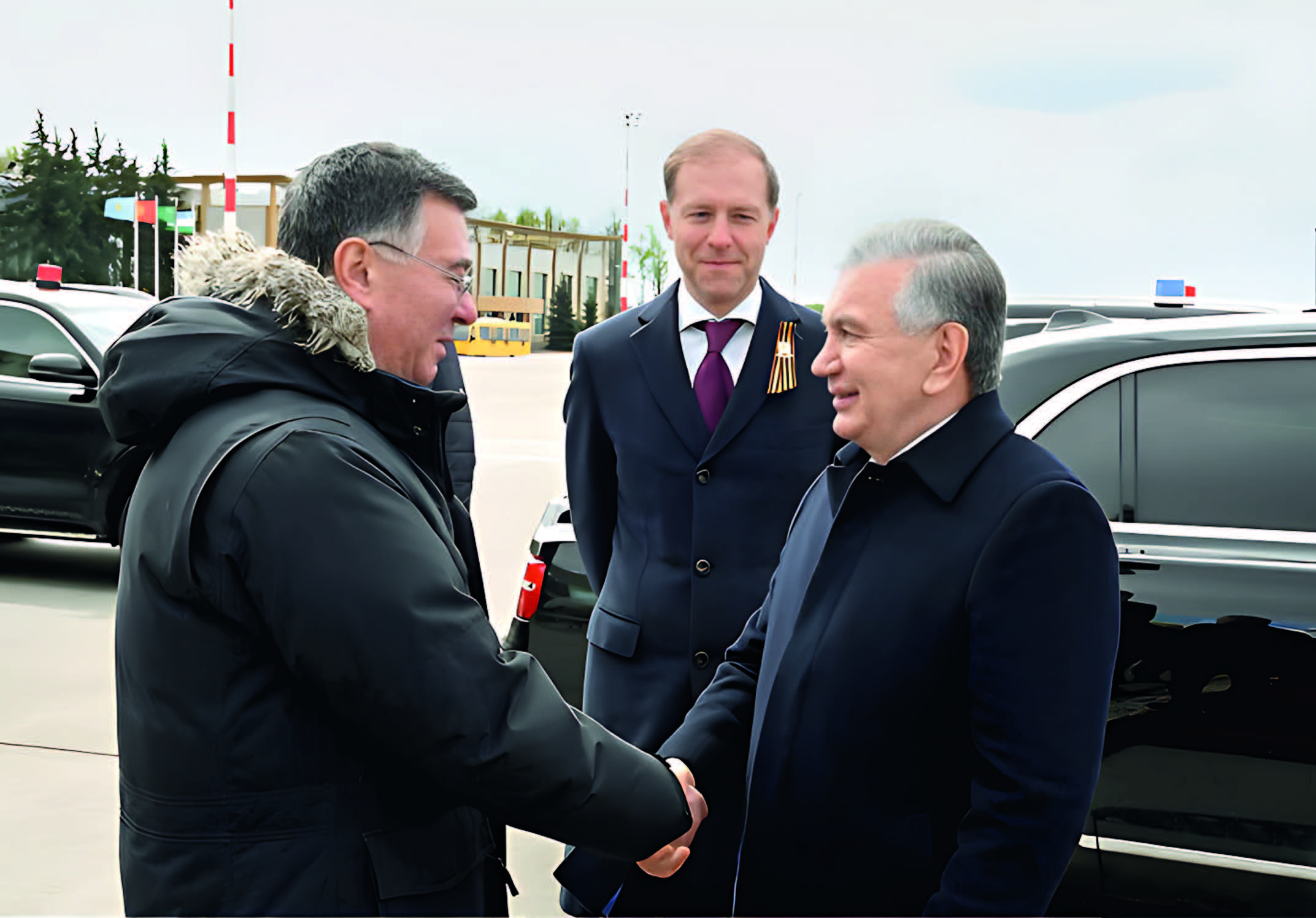
Russia’s stance on the need of a gradual, balanced, and economically sound energy transition, based on all energy sources and technologies designed to reduce CO2 emissions—technological neutrality—has found widespread support, and not only with the Global South, the CIS and the EAEU, but also among several rationally-minded developed nations.
For example, thanks to the efforts of Russian negotiators, technological neutrality has been recognised in friendly formats such as BRICS and the SCO, as well as on platforms including the G20 and the UN. Today, it is safe to say that nuclear energy has
been firmly established as a low-carbon source. An increasing number of
countries, along with Russia, insist on the key role of natural gas in the transition to energy systems that emit lower levels of greenhouse gases.
Moreover, Russia, boasting an immense energy potential backed by scientific, technological, and managerial expertise, remains open to cooperation with stakeholders to implement mutually beneficial projects aimed at eco-friendly sustainable socio-economic development overall, and specifically addressing the issue of energy poverty.
– This year marks the 10th anniversary of the EAEU, which shows strong growth in mutual trade, resilience to external negative factors, and proves its effectiveness. One could argue that the integration initiated within the EAEU is expanding and extending beyond the geographical boundaries of the Union. What does Eurasian integration look like today, and why is the EAEU gaining ground and attracting new partners?
-– You have a point, the EAEU has indeed proven itself as an integration entity. Numbers speak louder than words, and we are not just talking about trade volumes. Throughout its
existence, there has been a steady increase in the GDP and real wages across the EAEU states. Over the past decade, industrial production has risen by 29.1 %, agricultural output by 25.5 %, and investments in fixed capital by 40.1 %.
Such indicators would have been impossible without the constructive cooperation of all member states across various key areas—ranging from customs, tariff, non-tariff and
technical regulation to industrial cooperation, food and energy security, common transport and logistics.
The daily diligent efforts, grounded in mutual trust and respect for the interests of all participants, is what Eurasian integration is all about, to the economic benefit of the EAEU
members. This approach attracts third countries that can be assured of finding a reliable and predictable trade partner in the EAEU. The existing free trade agreements (FTA) that the Union has with Vietnam, Serbia, and Iran, as well as the non-preferential agreement with China are a testament to that.
The recent meeting of the Supreme Eurasian Economic Council in Minsk in late June saw
new documents signed—an Agreement on Economic Partnership with the UAE and an Interim Trade Agreement with Mongolia. The agreements reached with the UAE grant the parties preferential access for more than 80 % of the product range, which in financial terms exceeds 12 billion USD.
This step is expected to significantly increase trade turnover. As for the Agreement
with Mongolia, it covers 367 subcategories for each party, on which customs duties will be eliminated or reduced once the document comes into force. For Russia, this accounts
for about 90 % of its exports to Mongolia.
For example, thanks to the efforts of Russian negotiators, technological neutrality has been recognised in friendly formats such as BRICS and the SCO, as well as on platforms including the G20 and the UN. Today, it is safe to say that nuclear energy has
been firmly established as a low-carbon source. An increasing number of
countries, along with Russia, insist on the key role of natural gas in the transition to energy systems that emit lower levels of greenhouse gases.
Moreover, Russia, boasting an immense energy potential backed by scientific, technological, and managerial expertise, remains open to cooperation with stakeholders to implement mutually beneficial projects aimed at eco-friendly sustainable socio-economic development overall, and specifically addressing the issue of energy poverty.
– This year marks the 10th anniversary of the EAEU, which shows strong growth in mutual trade, resilience to external negative factors, and proves its effectiveness. One could argue that the integration initiated within the EAEU is expanding and extending beyond the geographical boundaries of the Union. What does Eurasian integration look like today, and why is the EAEU gaining ground and attracting new partners?
-– You have a point, the EAEU has indeed proven itself as an integration entity. Numbers speak louder than words, and we are not just talking about trade volumes. Throughout its
existence, there has been a steady increase in the GDP and real wages across the EAEU states. Over the past decade, industrial production has risen by 29.1 %, agricultural output by 25.5 %, and investments in fixed capital by 40.1 %.
Such indicators would have been impossible without the constructive cooperation of all member states across various key areas—ranging from customs, tariff, non-tariff and
technical regulation to industrial cooperation, food and energy security, common transport and logistics.
The daily diligent efforts, grounded in mutual trust and respect for the interests of all participants, is what Eurasian integration is all about, to the economic benefit of the EAEU
members. This approach attracts third countries that can be assured of finding a reliable and predictable trade partner in the EAEU. The existing free trade agreements (FTA) that the Union has with Vietnam, Serbia, and Iran, as well as the non-preferential agreement with China are a testament to that.
The recent meeting of the Supreme Eurasian Economic Council in Minsk in late June saw
new documents signed—an Agreement on Economic Partnership with the UAE and an Interim Trade Agreement with Mongolia. The agreements reached with the UAE grant the parties preferential access for more than 80 % of the product range, which in financial terms exceeds 12 billion USD.
This step is expected to significantly increase trade turnover. As for the Agreement
with Mongolia, it covers 367 subcategories for each party, on which customs duties will be eliminated or reduced once the document comes into force. For Russia, this accounts
for about 90 % of its exports to Mongolia.
Among the practical measures therein are a reduction of customs inspections, the implementation of a risk management mechanism, and the elimination of certificates of origin for goods worth less than 5,000 EUR. All these measures are aimed at significantly
cutting costs for SMEs, which will have new export opportunities.
Another promising trade partner of the EAEU is Indonesia, with whom talks on concluding an FTA have reached the final stage. Experts say that the reduction of duties will affect
supplies of goods worth approximately 3 billion USD. It should be noted that such trade
agreements do not merely entail reduction in duties but also open up new opportunities for sectoral cooperation, particularly in transport and logistics, industry, agriculture, digitalisation, and many others.
Another form of engagement with the EAEU is the observer status, which allows its holders to delve deeper into the integration in Eurasia by obtaining “first-hand” reliable information. Today, Uzbekistan, Cuba, and Iran cooperate with the EAEU under
this format. At the Minsk Summit, two more countries—Nicaragua and Myanmar—expressed their will to join as observer states, which also speaks to the attractiveness of the EAEU.
– Mr. Pankin, finally, to continue with Eurasian integration, what are your thoughts on the role of the Greater Eurasian Partnership in this process. What can it bring about in terms of Eurasian integration, and what does it have to offer its participants?
– The interest in the Greater Eurasian Partnership (GEP) as a universal integration
framework is largely driven by the pragmatic and positive energy behind this initiative. Particularly amid a volatile macroeconomic environment, tariff wars, and geopolitical blackmail by Brussels, there is a clear demand from the continent for comprehensive
trade frameworks and transparent rules of the game.
The GEP is not an imposed dogma but rather an objective integrated process that reflects the reality of a multipolar world. It relies on inter-integration ties of multilateral groups
and regional platforms. Such dialogue fosters the search for common ground to synchronise national strategies and multilateral development programmes, while also bridging infrastructural and regulatory differences between nations.
An integral part of the GEP will be the harmonious synergy and mutual enhancement of logistics routes, production chains, and payment systems. Ultimately, the goal is to align
the constructive potential and currently somewhat fragmented projects across the continent without undermining healthy competition and the core interests of our partners.
In terms of practical application, within the GEP, Russia is collaborating with its Chinese partners to align the development plans of the EAEU and the Belt and Road initiative. Similarly, we are building interaction within the Russia-Mongolia-China economic
corridor. On the agenda with India is the synchronisation of cargo flows along the INSTC and the maritime route “Vladivostok-Chennai,” with a view towards connecting to the NSR.
Multilateral cooperation aimed at expanding the transit potential of the Caspian Sea and the Ob-Irtysh river basin seems highly beneficial for enhancing connectivity. I am convinced that the GEP will make the best of the transport and resource potential of the Eurasian states, consolidate economic aspirations, and eliminate unnecessary
competition between them. This creates the prerequisites for transforming our continent into a “seamless” macro-region capable of successfully competing with Western-centric
blocs. In the long run, it lays a socio-economic foundation for a future system of relations across the continent, not just in economy but also in terms of security and the expansion
of humanitarian ties.
This year, we have reviewed the common vision and practical approaches to the further implementation of the GEP to align them with the needs of time. And Russia is actively
sharing its ideas, existing and promising opportunities, including those related to trade and transport tools.
Currently, Russia has launched regular diplomatic consultations with its foreign counterparts under the auspices of the Department of Economic Cooperation of the Russian Foreign Ministry. Contacts have already been made with Belarus, Armenia,
and Azerbaijan, and Moscow is anticipating similar meetings with other like-minded stakeholders.
A busy schedule is planned for Russia’s conference activities. Certainly, the expert session on the GEP at the Eastern Economic Forum in Vladivostok this September will be a
remarkable event. On August 20–21, Moscow will host the 2nd World Forum
“New Era—New Ways,” which will focus on the GEP agenda, bringing together a wide range of public and political figures, as well as academia and business communities.
cutting costs for SMEs, which will have new export opportunities.
Another promising trade partner of the EAEU is Indonesia, with whom talks on concluding an FTA have reached the final stage. Experts say that the reduction of duties will affect
supplies of goods worth approximately 3 billion USD. It should be noted that such trade
agreements do not merely entail reduction in duties but also open up new opportunities for sectoral cooperation, particularly in transport and logistics, industry, agriculture, digitalisation, and many others.
Another form of engagement with the EAEU is the observer status, which allows its holders to delve deeper into the integration in Eurasia by obtaining “first-hand” reliable information. Today, Uzbekistan, Cuba, and Iran cooperate with the EAEU under
this format. At the Minsk Summit, two more countries—Nicaragua and Myanmar—expressed their will to join as observer states, which also speaks to the attractiveness of the EAEU.
– Mr. Pankin, finally, to continue with Eurasian integration, what are your thoughts on the role of the Greater Eurasian Partnership in this process. What can it bring about in terms of Eurasian integration, and what does it have to offer its participants?
– The interest in the Greater Eurasian Partnership (GEP) as a universal integration
framework is largely driven by the pragmatic and positive energy behind this initiative. Particularly amid a volatile macroeconomic environment, tariff wars, and geopolitical blackmail by Brussels, there is a clear demand from the continent for comprehensive
trade frameworks and transparent rules of the game.
The GEP is not an imposed dogma but rather an objective integrated process that reflects the reality of a multipolar world. It relies on inter-integration ties of multilateral groups
and regional platforms. Such dialogue fosters the search for common ground to synchronise national strategies and multilateral development programmes, while also bridging infrastructural and regulatory differences between nations.
An integral part of the GEP will be the harmonious synergy and mutual enhancement of logistics routes, production chains, and payment systems. Ultimately, the goal is to align
the constructive potential and currently somewhat fragmented projects across the continent without undermining healthy competition and the core interests of our partners.
In terms of practical application, within the GEP, Russia is collaborating with its Chinese partners to align the development plans of the EAEU and the Belt and Road initiative. Similarly, we are building interaction within the Russia-Mongolia-China economic
corridor. On the agenda with India is the synchronisation of cargo flows along the INSTC and the maritime route “Vladivostok-Chennai,” with a view towards connecting to the NSR.
Multilateral cooperation aimed at expanding the transit potential of the Caspian Sea and the Ob-Irtysh river basin seems highly beneficial for enhancing connectivity. I am convinced that the GEP will make the best of the transport and resource potential of the Eurasian states, consolidate economic aspirations, and eliminate unnecessary
competition between them. This creates the prerequisites for transforming our continent into a “seamless” macro-region capable of successfully competing with Western-centric
blocs. In the long run, it lays a socio-economic foundation for a future system of relations across the continent, not just in economy but also in terms of security and the expansion
of humanitarian ties.
This year, we have reviewed the common vision and practical approaches to the further implementation of the GEP to align them with the needs of time. And Russia is actively
sharing its ideas, existing and promising opportunities, including those related to trade and transport tools.
Currently, Russia has launched regular diplomatic consultations with its foreign counterparts under the auspices of the Department of Economic Cooperation of the Russian Foreign Ministry. Contacts have already been made with Belarus, Armenia,
and Azerbaijan, and Moscow is anticipating similar meetings with other like-minded stakeholders.
A busy schedule is planned for Russia’s conference activities. Certainly, the expert session on the GEP at the Eastern Economic Forum in Vladivostok this September will be a
remarkable event. On August 20–21, Moscow will host the 2nd World Forum
“New Era—New Ways,” which will focus on the GEP agenda, bringing together a wide range of public and political figures, as well as academia and business communities.
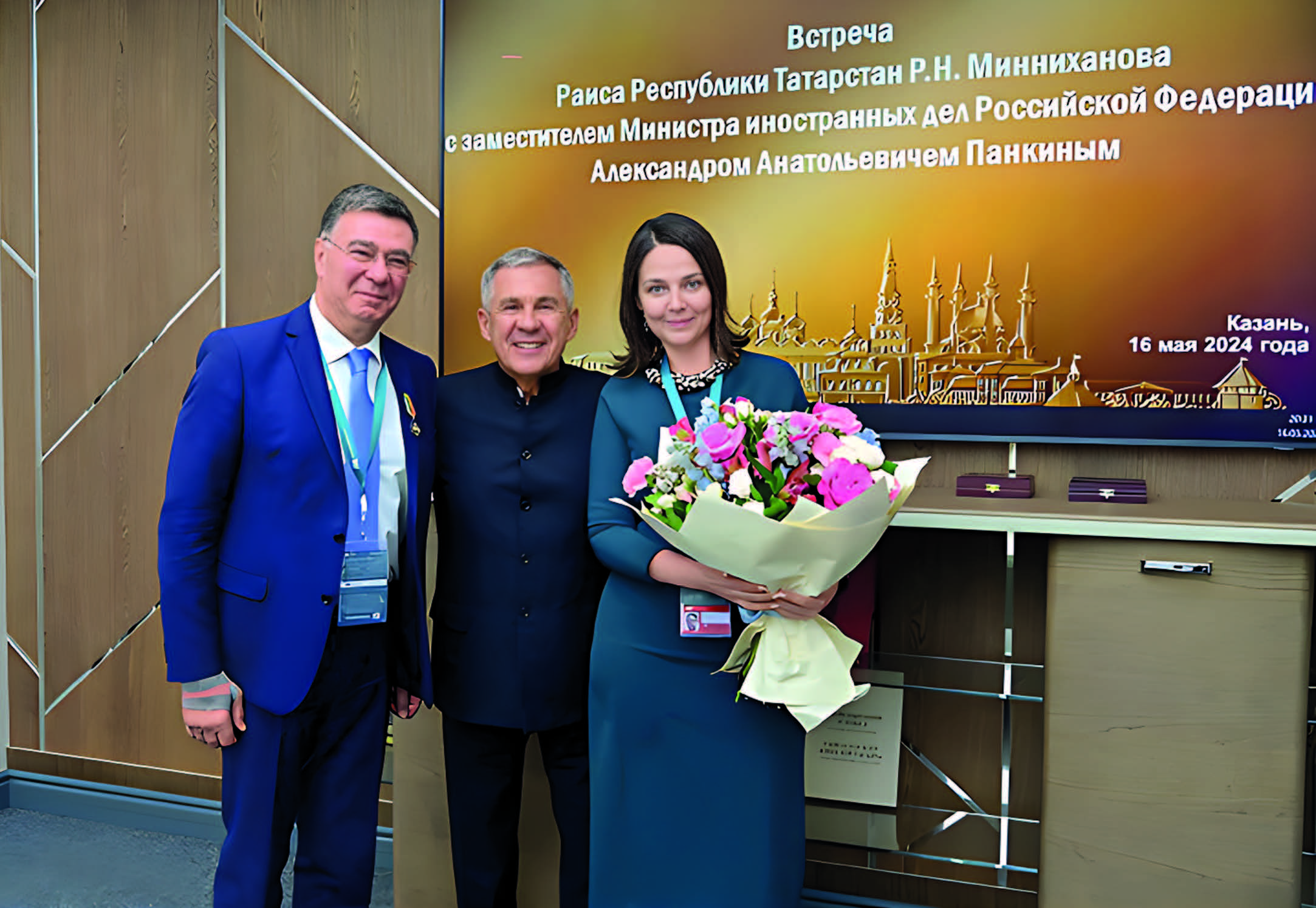
Photo courtesy of the press service of the Russian Foreign Ministry