
Alfred Gaisie, KoKMA, Municipal Chief Executive
MUNICIPALITY OF THE FUTURE
BREAKING THE CYCLE OF INEFFICIENCY
Before 2023, KoKMA—like many urban municipalities in West Africa—grappled with a range of challenges: in own source revenue generation, manual revenue collection, low compliance, inaccurate data, and leakages due to cash handling. These inefficiencies strained municipal budgets and limited the Assembly’s ability to deliver quality services to residents.
Faced with these persistent issues, KoKMA’s leadership, under Municipal Chief Executive Alfred Allotey-Gaisie and Municipal Coordinating Director and City Manager Emmanuel Baisie, initiated a digital leap aimed at transforming how Municipal finances are managed at the local level.
At the heart of this transformation is KoKMA’s Digital Revenue Mobilization Strategy, a homegrown solution that is already earning the Assembly national recognition and international attention.
PILLARS OF THE DIGITAL LEAP
KoKMA’s Digital Revenue Mobilization Strategy is anchored on four strategic components.
1. Geospatial Mapping and Digital Addressing
One of the most significant breakthroughs in KoKMA’s digital revenue transformation is the comprehensive geospatial mapping and digital addressing system—a foundational pillar for accountability and service equity.
Between 2022 and 2024, the Assembly undertook a large-scale property and business identification project using GPS-enabled field devices, drones, and digital survey tools. This initiative, supported by local technology partners and spatial planning experts, allowed the Assembly to digitally map over 98% of all structures, properties, and business outlets within its jurisdiction—including hard-to-reach informal settlements.
Each mapped structure has been assigned a Unique Revenue Identification Code (URIC)—a digital alphanumeric tag linked to the property’s GPS coordinates, occupancy type, and ownership records.
The URIC functions as the digital “fiscal fingerprint” of the property, enabling:
This innovation has eliminated duplication, reduced ghost properties on the tax roll, and empowered the Assembly to establish a centralised digital property register—the first of its kind among Metropolitan, Municipal and District Assemblies (MMDAs) in Ghana.
The mapping also supports urban planning functions—enabling KoKMA to overlay revenue data with sanitation zones, drainage infrastructure, or environmental risk areas. This holistic use of geospatial intelligence enhances both financial and operational planning.
Before 2023, KoKMA—like many urban municipalities in West Africa—grappled with a range of challenges: in own source revenue generation, manual revenue collection, low compliance, inaccurate data, and leakages due to cash handling. These inefficiencies strained municipal budgets and limited the Assembly’s ability to deliver quality services to residents.
Faced with these persistent issues, KoKMA’s leadership, under Municipal Chief Executive Alfred Allotey-Gaisie and Municipal Coordinating Director and City Manager Emmanuel Baisie, initiated a digital leap aimed at transforming how Municipal finances are managed at the local level.
At the heart of this transformation is KoKMA’s Digital Revenue Mobilization Strategy, a homegrown solution that is already earning the Assembly national recognition and international attention.
PILLARS OF THE DIGITAL LEAP
KoKMA’s Digital Revenue Mobilization Strategy is anchored on four strategic components.
1. Geospatial Mapping and Digital Addressing
One of the most significant breakthroughs in KoKMA’s digital revenue transformation is the comprehensive geospatial mapping and digital addressing system—a foundational pillar for accountability and service equity.
Between 2022 and 2024, the Assembly undertook a large-scale property and business identification project using GPS-enabled field devices, drones, and digital survey tools. This initiative, supported by local technology partners and spatial planning experts, allowed the Assembly to digitally map over 98% of all structures, properties, and business outlets within its jurisdiction—including hard-to-reach informal settlements.
Each mapped structure has been assigned a Unique Revenue Identification Code (URIC)—a digital alphanumeric tag linked to the property’s GPS coordinates, occupancy type, and ownership records.
The URIC functions as the digital “fiscal fingerprint” of the property, enabling:
- Accurate billing of property rates and business permits,
- Efficient tracking of outstanding payments or disputes,
- Geolocation of revenue sources, including kiosks, shops, residences, and temporary structures,
- Linkage with Ghana Post GPS and National Identification Authority (NIA) databases, enhancing inter-agency verification.
This innovation has eliminated duplication, reduced ghost properties on the tax roll, and empowered the Assembly to establish a centralised digital property register—the first of its kind among Metropolitan, Municipal and District Assemblies (MMDAs) in Ghana.
The mapping also supports urban planning functions—enabling KoKMA to overlay revenue data with sanitation zones, drainage infrastructure, or environmental risk areas. This holistic use of geospatial intelligence enhances both financial and operational planning.
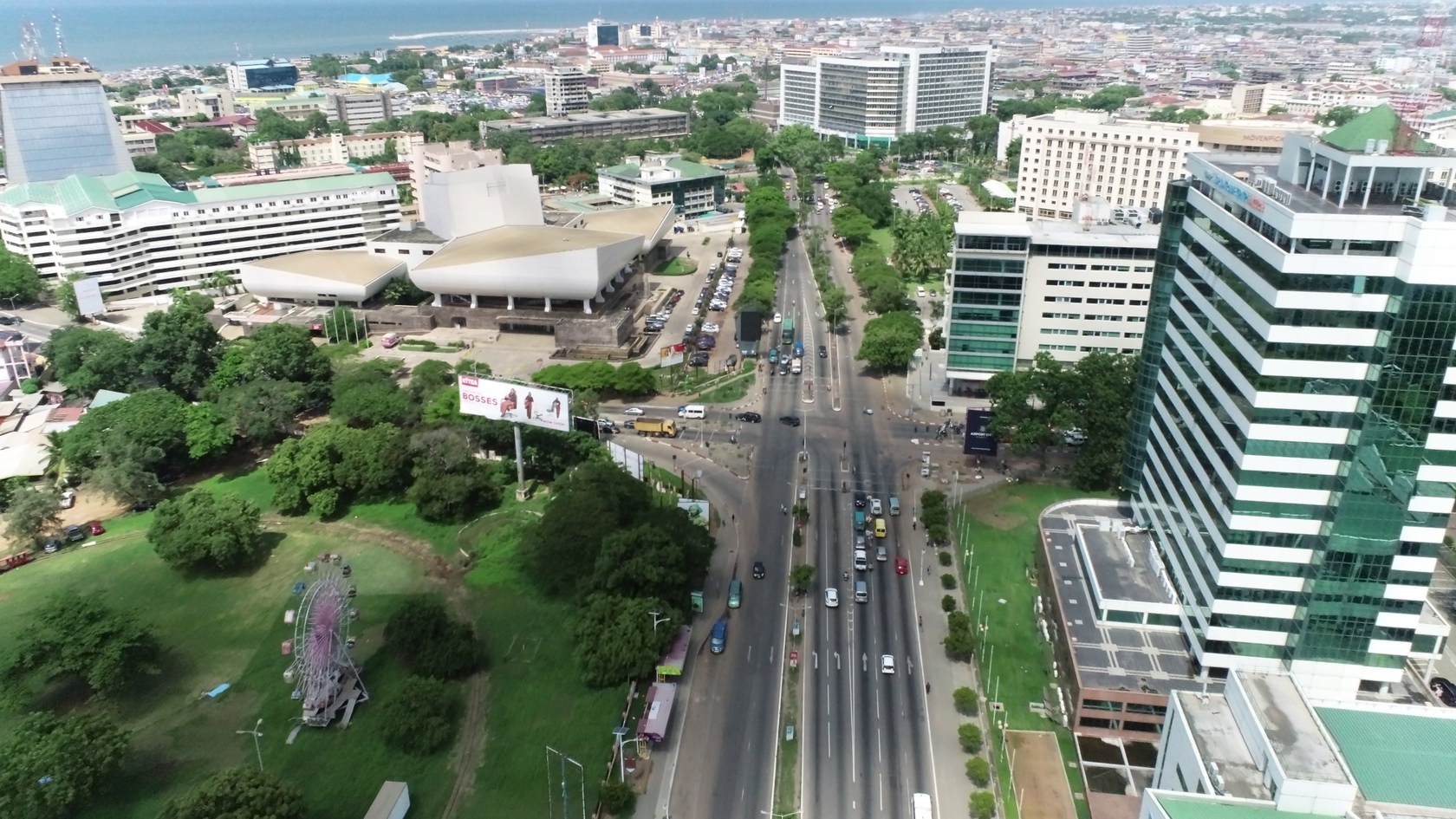
To ensure citizen awareness, each property owner receives a printed and digital notice with their URIC, billing schedule, and instructions for online payment. Owners can verify their property status or make payment inquiries by referencing their URIC via SMS or KoKMA’s digital portal.
In addition, KoKMA deployed mobile agents equipped with tablets to assist residents—especially in low-income neighbourhoods—with verifying their URICs and onboarding onto the system.
As KoKMA moves toward full automation of its revenue ecosystem, the geospatial layer is serving as the digital backbone of governance—ensuring that every property, from high-rise buildings in Osu to market stalls in Adabraka, is visible, accounted for, and contributing to the municipality’s growth.
2. Citizen Engagement and Digital Literacy
Monthly “Know Your Tax” outreach sessions are held across communities, supported by an active 24/7 help desk, WhatsApp customer service, and voice prompts in local languages. On-site assistants support residents with limited digital skills or access.
NATIONAL AND GLOBAL MODEL
KoKMA’s story is increasingly being seen as a model for replication. The Assembly has been invited to share its experience at global platforms, including the 2025 St. Petersburg International Economic Forum (SPIEF) in Russia, June 2025 Economic Governance School organised by GIMPA in collaboration with the National School of Government in South Africa and Kenya and the upcoming Annual Meeting of the World Forum “New Era—New Ways” from 20–21 August 2025 in Moscow.
Officials from other Ghanaian MMDAs have begun visiting the Assembly to learn from its successful digital transformation—a compelling example of how own-source revenue collection can be harnessed to accelerate local development.
LEAVING NO ONE BEHIND
Crucially, KoKMA’s strategy emphasises digital inclusion. Recognising that not all citizens have smartphones or internet access, the Assembly ensured that USSD codes work on basic feature phones, while multilingual voice support and in-person assistants cater for elderly and vulnerable residents.
This commitment to equity is embedded in the Assembly’s broader digital policy—ensuring that digital progress does not widen social divides.
3. Digital and Cashless Payments
At the core of KoKMA’s digital revenue transformation is the seamless rollout of cashless payment platforms that make it easier, safer, and faster for residents to fulfil their civic obligations. Recognising the need for convenience and transparency, KoKMA partnered with leading Ghanaian fintech firms and telecom providers to design a revenue system that meets citizens where they are—whether in markets, offices, or at home.
Through this initiative, KoKMA introduced multiple digital payment channels to reduce reliance on physical cash, eliminate human error, and combat leakages. Citizens and businesses can now pay for property rates, business operating permits, sanitation fees, building levies, and more using the following options:
Each transaction generates instant digital receipts delivered via SMS, email, or WhatsApp, ensuring that taxpayers have proof of payment and the Assembly has a digital audit trail. This feature alone has drastically drastically reduced disputes and helped restore public confidence in the system.
In addition, KoKMA deployed mobile agents equipped with tablets to assist residents—especially in low-income neighbourhoods—with verifying their URICs and onboarding onto the system.
As KoKMA moves toward full automation of its revenue ecosystem, the geospatial layer is serving as the digital backbone of governance—ensuring that every property, from high-rise buildings in Osu to market stalls in Adabraka, is visible, accounted for, and contributing to the municipality’s growth.
2. Citizen Engagement and Digital Literacy
Monthly “Know Your Tax” outreach sessions are held across communities, supported by an active 24/7 help desk, WhatsApp customer service, and voice prompts in local languages. On-site assistants support residents with limited digital skills or access.
NATIONAL AND GLOBAL MODEL
KoKMA’s story is increasingly being seen as a model for replication. The Assembly has been invited to share its experience at global platforms, including the 2025 St. Petersburg International Economic Forum (SPIEF) in Russia, June 2025 Economic Governance School organised by GIMPA in collaboration with the National School of Government in South Africa and Kenya and the upcoming Annual Meeting of the World Forum “New Era—New Ways” from 20–21 August 2025 in Moscow.
Officials from other Ghanaian MMDAs have begun visiting the Assembly to learn from its successful digital transformation—a compelling example of how own-source revenue collection can be harnessed to accelerate local development.
LEAVING NO ONE BEHIND
Crucially, KoKMA’s strategy emphasises digital inclusion. Recognising that not all citizens have smartphones or internet access, the Assembly ensured that USSD codes work on basic feature phones, while multilingual voice support and in-person assistants cater for elderly and vulnerable residents.
This commitment to equity is embedded in the Assembly’s broader digital policy—ensuring that digital progress does not widen social divides.
3. Digital and Cashless Payments
At the core of KoKMA’s digital revenue transformation is the seamless rollout of cashless payment platforms that make it easier, safer, and faster for residents to fulfil their civic obligations. Recognising the need for convenience and transparency, KoKMA partnered with leading Ghanaian fintech firms and telecom providers to design a revenue system that meets citizens where they are—whether in markets, offices, or at home.
Through this initiative, KoKMA introduced multiple digital payment channels to reduce reliance on physical cash, eliminate human error, and combat leakages. Citizens and businesses can now pay for property rates, business operating permits, sanitation fees, building levies, and more using the following options:
- Mobile Money (MTN, Vodafone, AirtelTigo)—the most widely used method, especially in informal areas,
- USSD Codes—accessible even on basic feature phones, allowing users to pay by dialling a simple short code without needing internet access,
- KoKMA Online Payment Portal—a secure website where individuals and businesses can log in by using a link sent them to view their payment history, and settle bills electronically using their Visa/Master Cards, Zee Pay, G-Money, GH QR etc.
Each transaction generates instant digital receipts delivered via SMS, email, or WhatsApp, ensuring that taxpayers have proof of payment and the Assembly has a digital audit trail. This feature alone has drastically drastically reduced disputes and helped restore public confidence in the system.
STRONG RESULTS IN JUST TWO YEARS
The impact has been remarkable:This turnaround has made KoKMA a national leader in municipal digitization and earned the Assembly the title of Best Performing Municipality in Ghana on the 2023 District League Table.
- GH₵ 14,747,648 million in Internally Generated Funds (IGF) collected in 2023 and GH₵ 25,398,140 million collected in 2024—a 72.22% increase over 2023,
- 50% cash handling for over 80% of all municipal revenue streams,
- 80% compliance rate among property owners on the updated tax roll,
- More than 10,000 citizens actively using KoKMA’s digital payment channels.
This digital ecosystem has brought multiple benefits:
Looking ahead, the Assembly plans to expand digital payment access points in underserved communities, and introduce in-app payments linked to GhanaCard and GhanaPost GPS for easier verification and billing.
The digital and cashless revenue system is fast becoming a cornerstone of KoKMA’s governance reform—proving that when local governments invest in citizen-centered innovation, the results are transformative.
4. Live Revenue Dashboards and Analytics
A new Municipal Revenue Command Centre provides real-time data visualization. Staff can now monitor collections across all zones, track trends, and detect anomalies—enabling smarter, faster decision-making.
All the components of the Korle Klottey Municipal Assembly Digital Revenue Mobilization Strategy have successfully automated and streamlined revenue collection, enhanced the transparency of the system, reduced leakages, and restored public trust. Additionally, they have improved tax compliance through convenient payment solutions, ensured inclusivity by reaching out to vulnerable communities, and optimised management with real-time analytics, simplifying decision-making. All these efforts have forged a model of digital transformation that harmonises technological advancement, economic efficiency, and social justice.
- Reduced cash handling risks and revenue leakage,
- Increased voluntary compliance, among rate payers,
- Real-time revenue monitoring across zonal councils and revenue categories,
- Enhanced accountability and transparency in fund collection and reporting.
Looking ahead, the Assembly plans to expand digital payment access points in underserved communities, and introduce in-app payments linked to GhanaCard and GhanaPost GPS for easier verification and billing.
The digital and cashless revenue system is fast becoming a cornerstone of KoKMA’s governance reform—proving that when local governments invest in citizen-centered innovation, the results are transformative.
4. Live Revenue Dashboards and Analytics
A new Municipal Revenue Command Centre provides real-time data visualization. Staff can now monitor collections across all zones, track trends, and detect anomalies—enabling smarter, faster decision-making.
All the components of the Korle Klottey Municipal Assembly Digital Revenue Mobilization Strategy have successfully automated and streamlined revenue collection, enhanced the transparency of the system, reduced leakages, and restored public trust. Additionally, they have improved tax compliance through convenient payment solutions, ensured inclusivity by reaching out to vulnerable communities, and optimised management with real-time analytics, simplifying decision-making. All these efforts have forged a model of digital transformation that harmonises technological advancement, economic efficiency, and social justice.
LOOKING INTO THE FUTURE:
TOWARD A SMART, SUSTAINABLE MUNICIPALITY
KoKMA’s digital vision doesn’t stop at revenue collection.These initiatives are part of a wider push to become one of Ghana’s first Smart Municipality—data-driven, citizen-focused, and digitally resilient.
- The Assembly is now exploring:
- Integrating waste fee payment into the e-payment system,
- Developing an open data portal to support civic tech innovation,
- Incorporating blockchain technology to ensure transparency and auditability.
CONCLUSION
The Korle Klottey Municipal Assembly’s Digital Leap is more than a technological upgrade—it is a governance breakthrough. By streamlining revenue systems, promoting transparency, and improving citizen convenience, the Assembly has built a strong foundation for inclusive urban development.
As cities around the world seek smarter and more accountable ways to serve their citizens, the Korle Klottey Municipal Assembly is setting the pace and consolidating its investor friendliness.
The Korle Klottey Municipal Assembly’s Digital Leap is more than a technological upgrade—it is a governance breakthrough. By streamlining revenue systems, promoting transparency, and improving citizen convenience, the Assembly has built a strong foundation for inclusive urban development.
As cities around the world seek smarter and more accountable ways to serve their citizens, the Korle Klottey Municipal Assembly is setting the pace and consolidating its investor friendliness.