LABORATORY OF THE FUTURE
Correspondent Peter Lisovsky talks about GC “Titan” projects
Implementing large-scale projects focused on import substitution and unique technologies, the Titan Group surely takes the lead in the Russian chemical industry. Today, the holding is laying the groundwork for Russia’s technological sovereignty, while addressing a wide range of strategic challenges—from providing products in high demand across various sectors to creating innovative engineering centres.
MEETING GLOBAL STANDARDS
Nowadays, the chemical industry plays a pivotal role in Russia’s technological sovereignty. Manufacturers and technologists set ambitious goals—to introduce new projects, expand the range of products, and, of course, substitute key petrochemical imports.
As a vitally important enterprise in chemistry and petrochemicals, Titan is consistently advancing and integrating innovative technologies that meet global standards.
Operating in eight Russian regions, the holding is reinforcing the country’s petrochemical complex, implementing import-substituting investment projects to produce basic chemicals, and establishing industrial clusters and infrastructure.
BUILDING TECHNOLOGICAL BASIS
Recognising the need for domestic engineering has become a vital lesson for the Russian industry in recent years.
In 2020, Titan opened its first engineering centre in Omsk, engaged in a wide range of tasks, including the development and integration of new technologies and products, as well as the support and modernisation of existing production facilities.
In 2025, it began the construction of its inter-industry innovative engineering centre in Pskov “Titan. Polymer. Engineering,” with a focus to develop modern polymer products, accelerating innovation and enhancing the country’s technological independence.
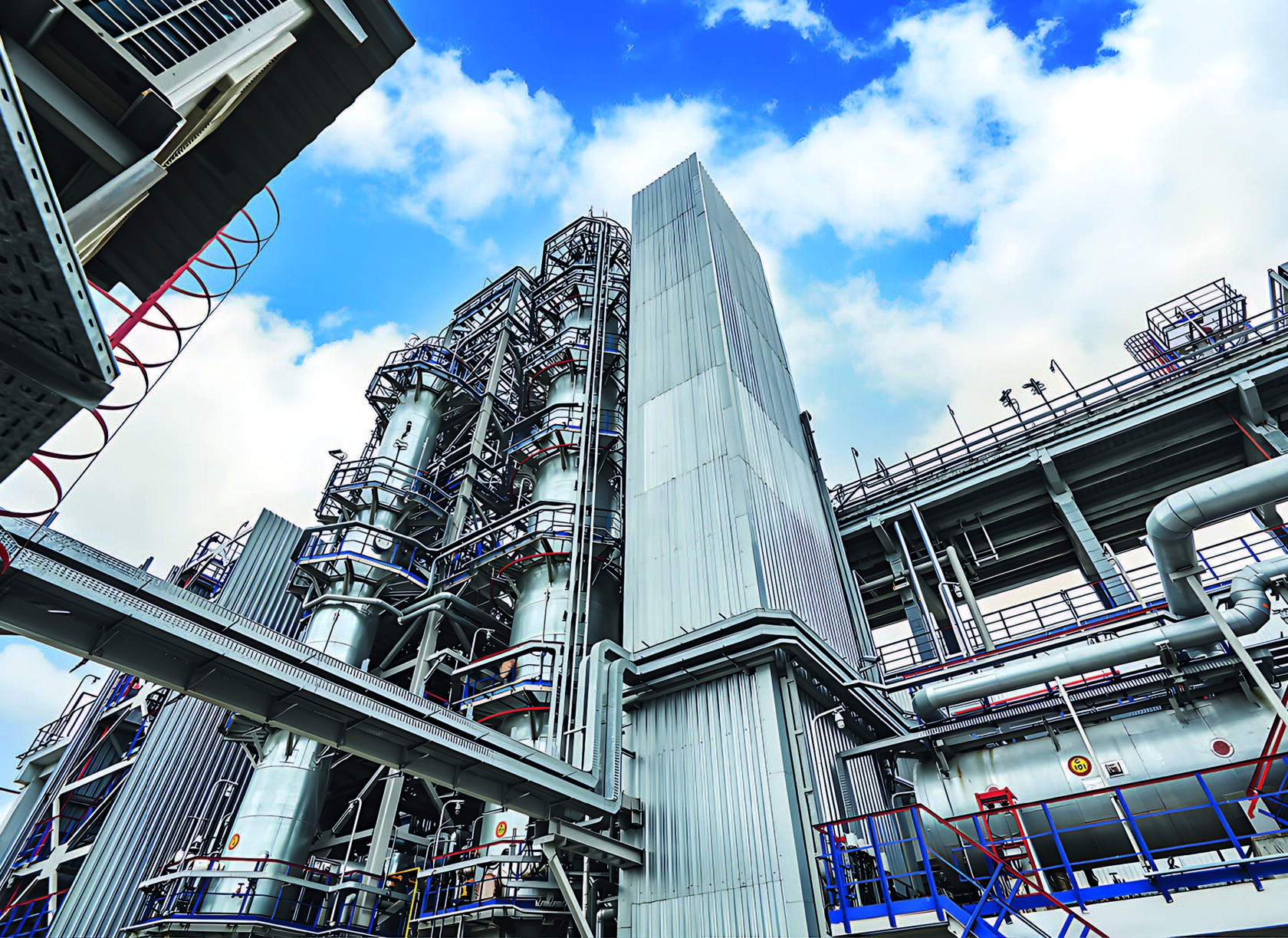
Today, the Group stands on the threshold of new opportunities, preparing to launch within a few months a low-molecular-weight, highly reactive polyisobutylene production line at a new facility in Omsk with a capacity of 10,000 tonnes. It will fully meet the Russian demand for the product.
Polyisobutylene is a vital component for lubricants, adhesives, sealants, electrical insulation, among others. Noteworthy for using Russian-made equipment and patented technologies, the Titan Group not only replaces imports goods but also largely contributes to the domestic industry.
Moreover, the project of the engineering centre to produce isophorone—widely used for coatings, adhesives, cellulose and polymers solvents—is already in its final stages. Titan is implementing it under the agreement with the Russian Ministry of Industry and Trade, which aims to support manufacturers in R&D of modern technologies to carry out innovative projects.
Nowadays, the chemical industry plays a pivotal role in Russia’s technological sovereignty. Manufacturers and technologists set ambitious goals—to introduce new projects, expand the range of products, and, of course, substitute key petrochemical imports.
As a vitally important enterprise in chemistry and petrochemicals, Titan is consistently advancing and integrating innovative technologies that meet global standards.
Operating in eight Russian regions, the holding is reinforcing the country’s petrochemical complex, implementing import-substituting investment projects to produce basic chemicals, and establishing industrial clusters and infrastructure.
BUILDING TECHNOLOGICAL BASIS
Recognising the need for domestic engineering has become a vital lesson for the Russian industry in recent years.
In 2020, Titan opened its first engineering centre in Omsk, engaged in a wide range of tasks, including the development and integration of new technologies and products, as well as the support and modernisation of existing production facilities.
In 2025, it began the construction of its inter-industry innovative engineering centre in Pskov “Titan. Polymer. Engineering,” with a focus to develop modern polymer products, accelerating innovation and enhancing the country’s technological independence.
Today, the Group stands on the threshold of new opportunities, preparing to launch within a few months a low-molecular-weight, highly reactive polyisobutylene production line at a new facility in Omsk with a capacity of 10,000 tonnes. It will fully meet the Russian demand for the product.
Polyisobutylene is a vital component for lubricants, adhesives, sealants, electrical insulation, among others. Noteworthy for using Russian-made equipment and patented technologies, the Titan Group not only replaces imports goods but also largely contributes to the domestic industry.
Moreover, the project of the engineering centre to produce isophorone—widely used for coatings, adhesives, cellulose and polymers solvents—is already in its final stages. Titan is implementing it under the agreement with the Russian Ministry of Industry and Trade, which aims to support manufacturers in R&D of modern technologies to carry out innovative projects.
Mikhail Sutyaginsky, Chairman of the Board of Directors of AO GC Titan:
"Today, we stand on the threshold of new opportunities. Low-tonnage chemistry is driving the development of the country’s technological sovereignty, ensuring the production of high-quality commodities in demand in the Russian and international markets".
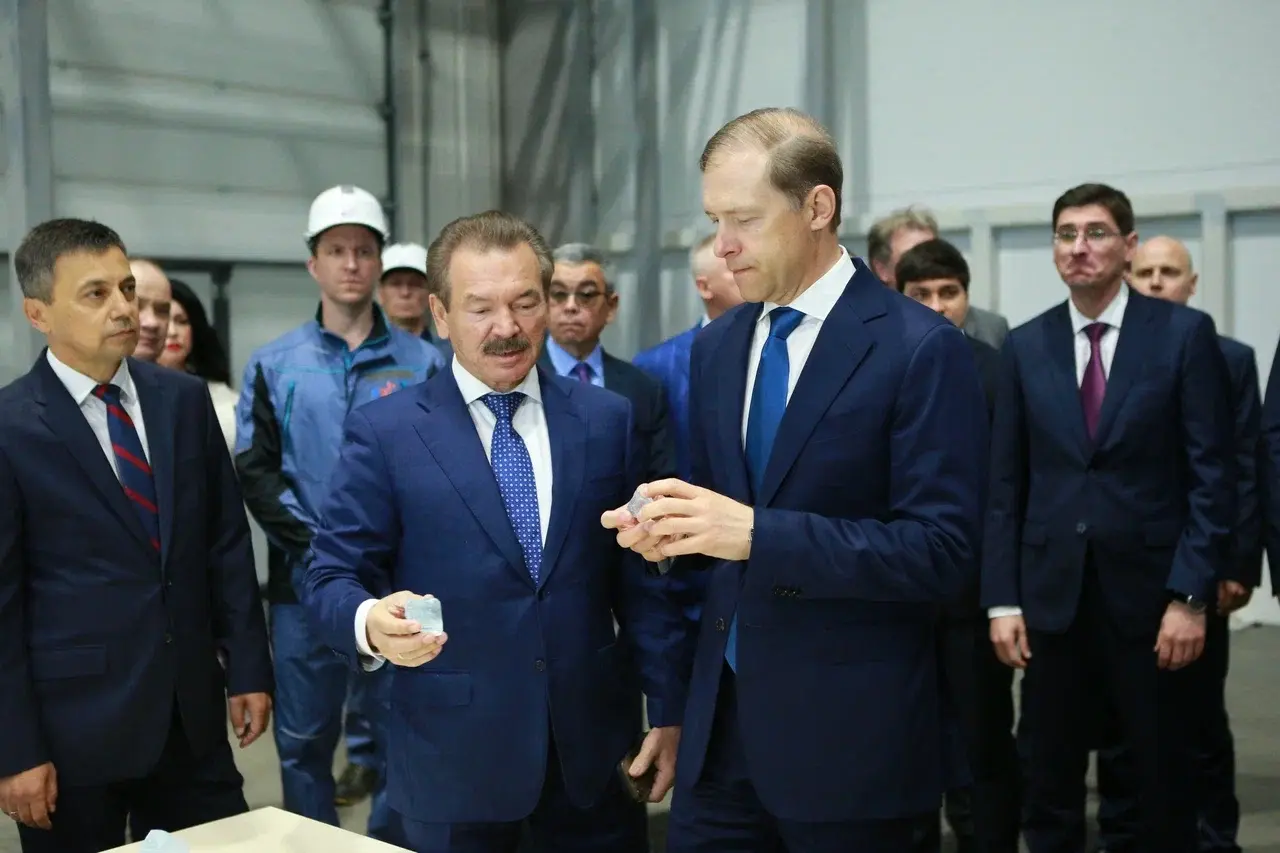
The pilot plant will use acetone manufactured by “Omsky Kauchuk” (part of the Titan Group) to produce high-yield isophorone and intermediate substances such as diacetone alcohol, mesityl oxide, and methyl isobutyl ketone. These are widely in demand across various industries as solvents and intermediate chemical agents. Once operational, the facility will fully satisfy the demand of the Russian market.
PIONEERING IN RUSSIA
In June 2025, Titan’s subsidiary “RusSilica” launched Russia’s first industrial production of micronised silica gels and stable silica sols at the SEZ “Kulibin” in Nizhny Novgorod. Investments in the new plant, with a capacity of 18,000 tonnes per year, amounted to 21 billion rubles.
Silica gels and silica sols are integral to many industrial processes. They enjoy high demand in tyre, rubber goods, chemicals, food, adhesives, paper, and paints production, as well as oil refining. These silica products have been listed by the Russian Ministry of Industry and Trade among the priority projects for low- and medium-tonnage chemicals.
Once production reaches full capacity, Titan will be able to fully satisfy the Russian demand for scarce commodities and reduce the dependence on foreign supplies.
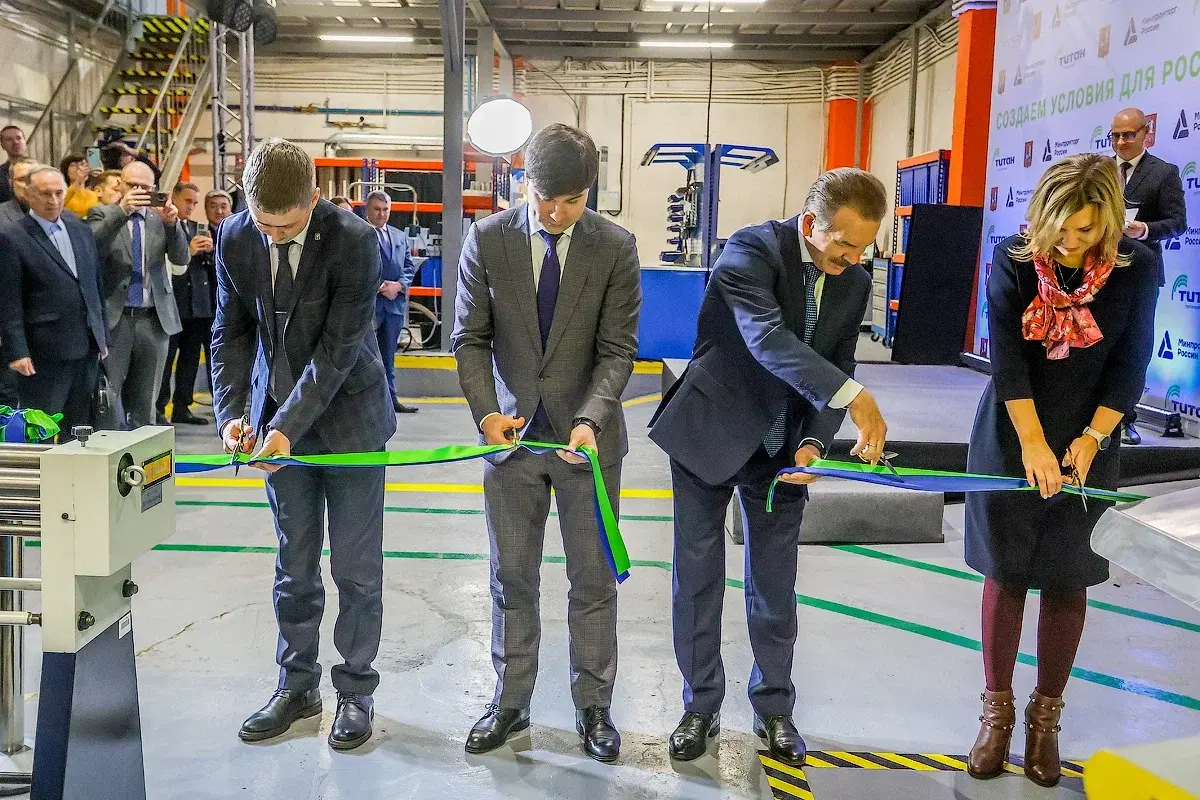
Earlier, in late 2024, the Group launched a pilot production of flow microreactor synthesis systems—a promising technology used in medicine, pharmaceuticals, and chemistry. Microfluidic technologies enable work with nano, crystalline and polymeric particles, as well as individual living cells. The reactions occur in closed systems that prevent mixing, while minimising the volumes of reagents used. Microfluidic technologies and devices are set to become indispensable tools in research, modelling, and visualising in the oil and gas industry, chemistry, and pharmaceuticals.
The planned production volume is over 250 pumps, up to 1,800 microfluidic mixer and fitting kits, and up to 360 tubular reactors per year.
The centre’s efforts to substitute import will facilitate the production of equipment for pharmaceuticals, cosmetics, agrochemicals (e.g., herbicides, fungicides), petrochemicals, and chemical reagents. Local production satisfies less than 50% of the Russian demand for these products.
PROSPECTS
Recognising the strategic challenges in the chemical industry, Titan is working on ten large-scale import-substituting projects that align with national programmes aimed at developing new materials and chemicals. It is not only fixing critical technological and raw material gaps but also establishing a sustainable platform for future innovations.
Investments, science, and engineering expertise enable Titan to create a modern and sustainable chemical industry, giving a powerful impetus for economic growth and helping Russia to achieve its technological sovereignty and leadership in the industry.
PIONEERING IN RUSSIA
In June 2025, Titan’s subsidiary “RusSilica” launched Russia’s first industrial production of micronised silica gels and stable silica sols at the SEZ “Kulibin” in Nizhny Novgorod. Investments in the new plant, with a capacity of 18,000 tonnes per year, amounted to 21 billion rubles.
Silica gels and silica sols are integral to many industrial processes. They enjoy high demand in tyre, rubber goods, chemicals, food, adhesives, paper, and paints production, as well as oil refining. These silica products have been listed by the Russian Ministry of Industry and Trade among the priority projects for low- and medium-tonnage chemicals.
Once production reaches full capacity, Titan will be able to fully satisfy the Russian demand for scarce commodities and reduce the dependence on foreign supplies.
Earlier, in late 2024, the Group launched a pilot production of flow microreactor synthesis systems—a promising technology used in medicine, pharmaceuticals, and chemistry. Microfluidic technologies enable work with nano, crystalline and polymeric particles, as well as individual living cells. The reactions occur in closed systems that prevent mixing, while minimising the volumes of reagents used. Microfluidic technologies and devices are set to become indispensable tools in research, modelling, and visualising in the oil and gas industry, chemistry, and pharmaceuticals.
The planned production volume is over 250 pumps, up to 1,800 microfluidic mixer and fitting kits, and up to 360 tubular reactors per year.
The centre’s efforts to substitute import will facilitate the production of equipment for pharmaceuticals, cosmetics, agrochemicals (e.g., herbicides, fungicides), petrochemicals, and chemical reagents. Local production satisfies less than 50% of the Russian demand for these products.
PROSPECTS
Recognising the strategic challenges in the chemical industry, Titan is working on ten large-scale import-substituting projects that align with national programmes aimed at developing new materials and chemicals. It is not only fixing critical technological and raw material gaps but also establishing a sustainable platform for future innovations.
Investments, science, and engineering expertise enable Titan to create a modern and sustainable chemical industry, giving a powerful impetus for economic growth and helping Russia to achieve its technological sovereignty and leadership in the industry.