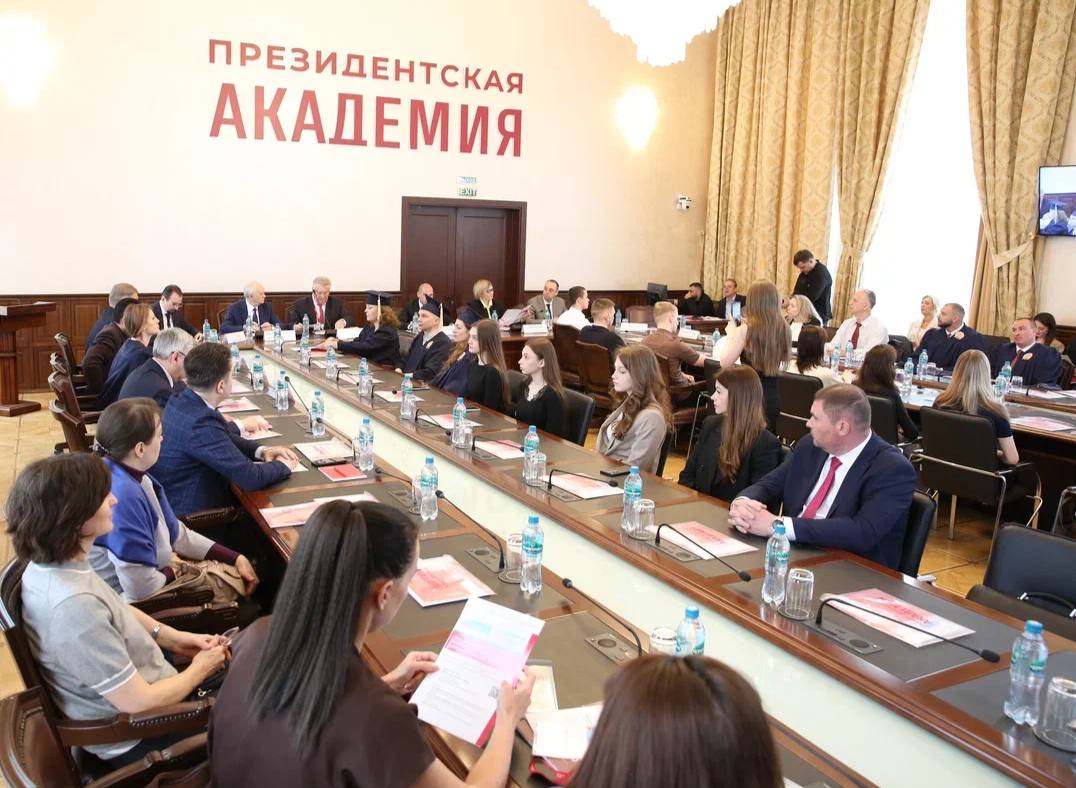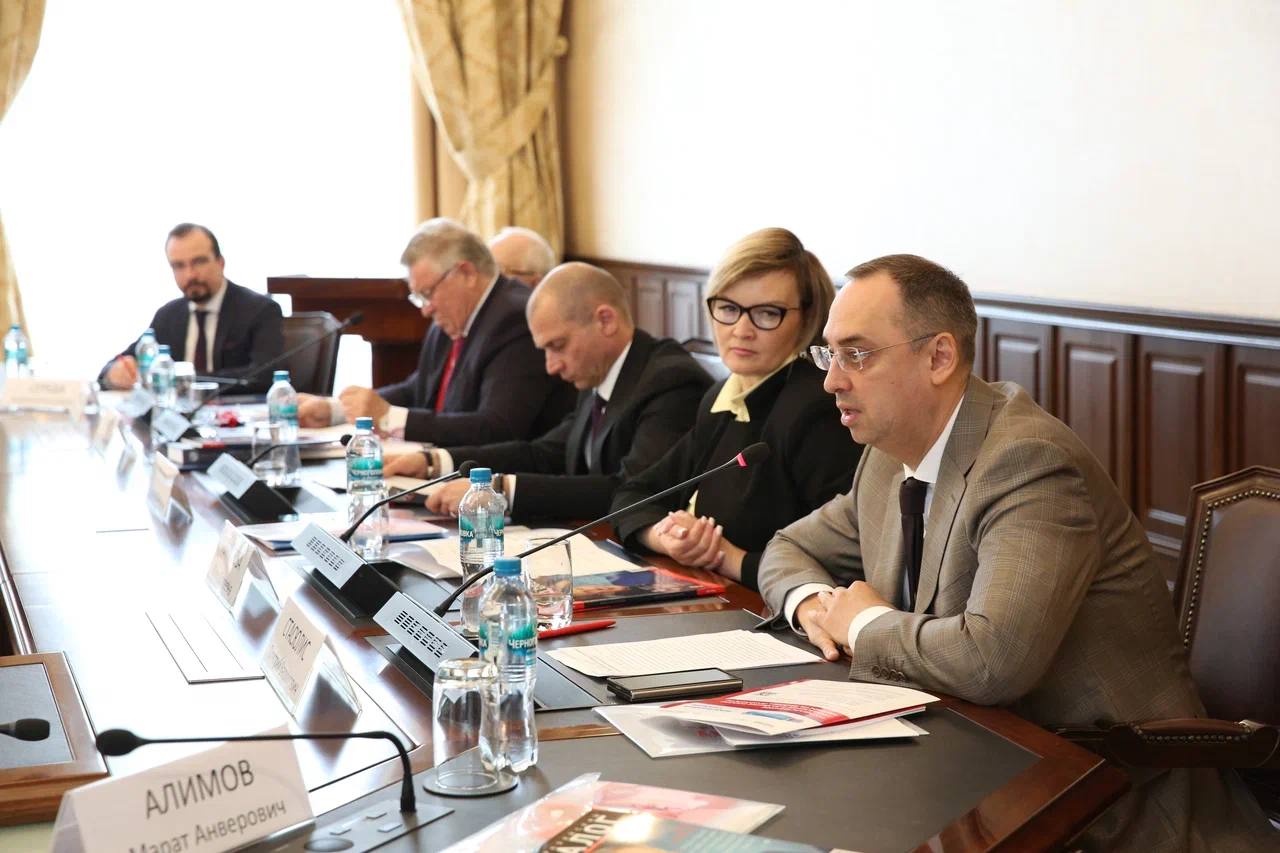
On 28 May 2026, the Presidential Academy hosted a section of the research conference session “Public Administration and Russia’s Development: Values, Challenges, Priorities”.
Section topic: “The Greater Eurasian Partnership for Russia: Priorities, Architecture of Ties, and Personnel Support”.
The event took place at the Institute of Public Administration and Civil Service of the Presidential Academy in a hybrid format. The section was attended by representatives of public authorities, the expert community, academic and public organisations, as well as specialists in international and interparliamentary cooperation.
In his remarks, Dmitry Stasyulis noted that the Greater Eurasian Partnership today is not only a foreign-policy initiative, but also a practical architecture for Russia’s long-term cooperation with the countries of Greater Eurasia and the Global South.
Section topic: “The Greater Eurasian Partnership for Russia: Priorities, Architecture of Ties, and Personnel Support”.
The event took place at the Institute of Public Administration and Civil Service of the Presidential Academy in a hybrid format. The section was attended by representatives of public authorities, the expert community, academic and public organisations, as well as specialists in international and interparliamentary cooperation.
In his remarks, Dmitry Stasyulis noted that the Greater Eurasian Partnership today is not only a foreign-policy initiative, but also a practical architecture for Russia’s long-term cooperation with the countries of Greater Eurasia and the Global South.
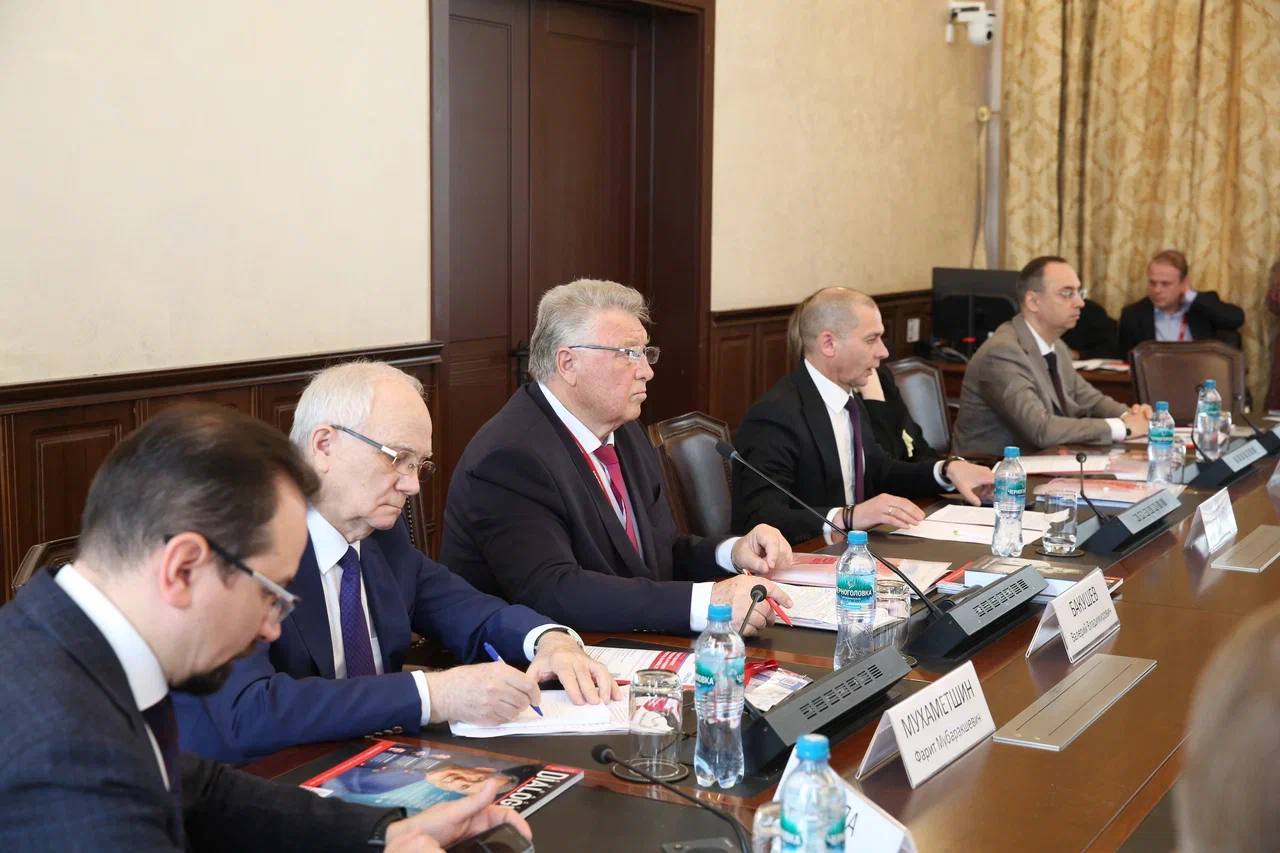
Particular attention was paid to several key points:
• the need to build a sustainable network of humanitarian, business, and expert ties;
• the role of public diplomacy and expert dialogue in promoting integration initiatives;
• the importance of personnel support for implementing Greater Eurasian Partnership projects;
• the importance of coordinating the efforts of the state, business, the academic community, and public institutions;
• the potential of the International Organisation for Eurasian Cooperation as a platform for substantive dialogue and practical cooperation.
The section also addressed the parliamentary dimension of Eurasian cooperation, the training of managerial personnel, the socio-political expectations of young people, interparliamentary integration, and the development of humanitarian cooperation across Greater Eurasia.
Dmitry Stasyulis’s participation in the event became a continuation of the International Organisation for Eurasian Cooperation’s systematic work to promote the ideas of the Greater Eurasian Partnership, develop expert communication, and strengthen Russia’s international ties in the Eurasian direction.
The International Organisation for Eurasian Cooperation continues to serve as a platform bringing together representatives of academia, business, public institutions, and the diplomatic community to shape a practical agenda for Eurasian integration.
• the need to build a sustainable network of humanitarian, business, and expert ties;
• the role of public diplomacy and expert dialogue in promoting integration initiatives;
• the importance of personnel support for implementing Greater Eurasian Partnership projects;
• the importance of coordinating the efforts of the state, business, the academic community, and public institutions;
• the potential of the International Organisation for Eurasian Cooperation as a platform for substantive dialogue and practical cooperation.
The section also addressed the parliamentary dimension of Eurasian cooperation, the training of managerial personnel, the socio-political expectations of young people, interparliamentary integration, and the development of humanitarian cooperation across Greater Eurasia.
Dmitry Stasyulis’s participation in the event became a continuation of the International Organisation for Eurasian Cooperation’s systematic work to promote the ideas of the Greater Eurasian Partnership, develop expert communication, and strengthen Russia’s international ties in the Eurasian direction.
The International Organisation for Eurasian Cooperation continues to serve as a platform bringing together representatives of academia, business, public institutions, and the diplomatic community to shape a practical agenda for Eurasian integration.